Training
You're Going Too Fast on the Way Down: Why Slowing Your Lowering Phase Changes Everything
6 July 2026
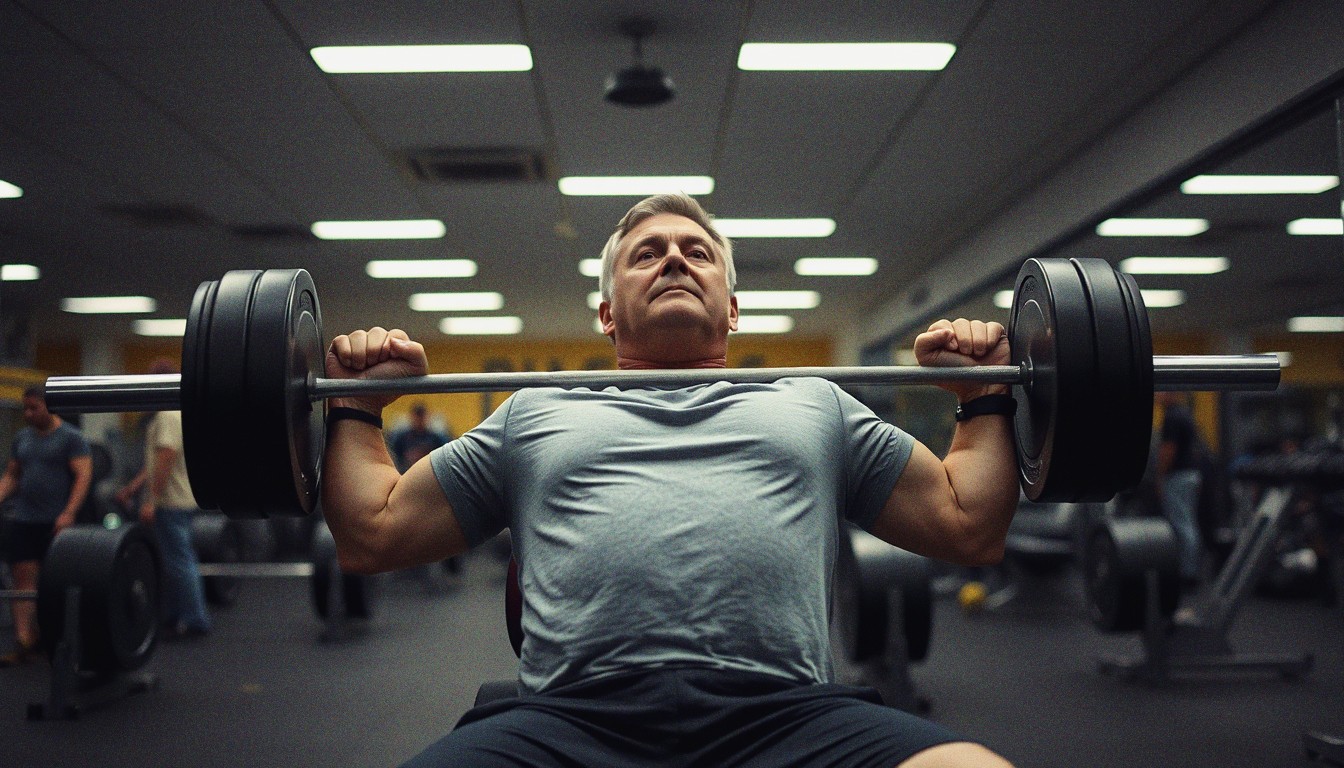
Watch anyone in the free weights area for five minutes and you'll spot it immediately: the weight goes up slowly and deliberately — and then crashes back to the start in a fraction of a second. It looks like hard work. But that split-second drop is quietly blunting a sizeable share of your gains every single session.
The good news is that fixing it requires no new kit, no programme change, and no extra time. You can do it in your next set.
Concentric and Eccentric — Plain English
Every rep has two halves. The concentric phase is when the working muscle shortens — pulling the dumbbell up in a curl, pressing the bar away on a bench press. The eccentric phase is the reverse: the muscle is lengthening while still under load, resisting the weight on the way back down.
A quick check: if the working muscle is getting longer, you're in the eccentric. If it's getting shorter, you're in the concentric. On a squat, sitting down is eccentric; standing up is concentric. On a lat pulldown, the bar coming down is concentric; letting it travel back up is eccentric. Once you've spotted the pattern, you'll see it in every exercise.
Why the Lowering Phase Drives More Growth
Here's the part that surprises most people. Despite being the half most gym-goers rush through, the eccentric is where a disproportionate amount of the hypertrophy signal is generated.
When a muscle is under load at or near its longest point, it experiences what researchers call stretch-mediated tension. A narrative review on the physiology of this mechanism found that muscles loaded in a lengthened position produce a particularly potent stimulus for hypertrophy and strength adaptation Stretch-Mediated Hypertrophy Review, 2023.
In practice: the bottom of a squat, the fully stretched position of a curl, the moment the bar touches your chest on a bench press — these are the positions where controlled loading through the eccentric generates the most productive stimulus. Letting the weight drop rushes past exactly that window.
What Slowing Down Actually Does
Slowing your eccentric changes both the quality of the stimulus during the set and what happens afterwards. Research examining the effect of eccentric phase tempo on acute neuromechanical responses and short-term recovery found measurable differences depending on how fast the lowering phase was performed — affecting muscle activation patterns and recovery in the hours following the session Eccentric Tempo Study, 2025.
What stays the same: you don't need to go extreme. A two to three second lowering phase — deliberate enough to feel the muscle working throughout, short enough to keep the rhythm of a normal set — is where the practical benefit sits. There's no prize for grinding out five seconds per rep.
The Soreness You'll Feel — and What It Means
If you've been letting the weight drop and you suddenly start controlling every eccentric, expect noticeably more soreness in the first few days. That's normal.
The eccentric generates more mechanical stress on muscle tissue than the concentric does, and your body isn't fully adapted to the new stimulus yet. The discomfort is a normal part of the adaptation process and typically resolves within a few days as your muscles adjust to the new demand. Start with one or two exercises rather than applying controlled eccentrics to your entire programme at once, and build from there.
The Three-Second Rule

The simplest possible version of this: count to three on every lowering phase.
No equipment. No programme rewrite. No weight change. Just count — one, two, three — as the weight travels back to its start position.
That count keeps you honest. It is long enough to spend meaningful time in the productive range of the rep, short enough to maintain intensity across a full set. In the first set, this will feel harder than your normal tempo at the same load. That's exactly the point. You're generating more time under tension at the most productive part of the rep, without touching the weight stack.
How to Use This in the Gym
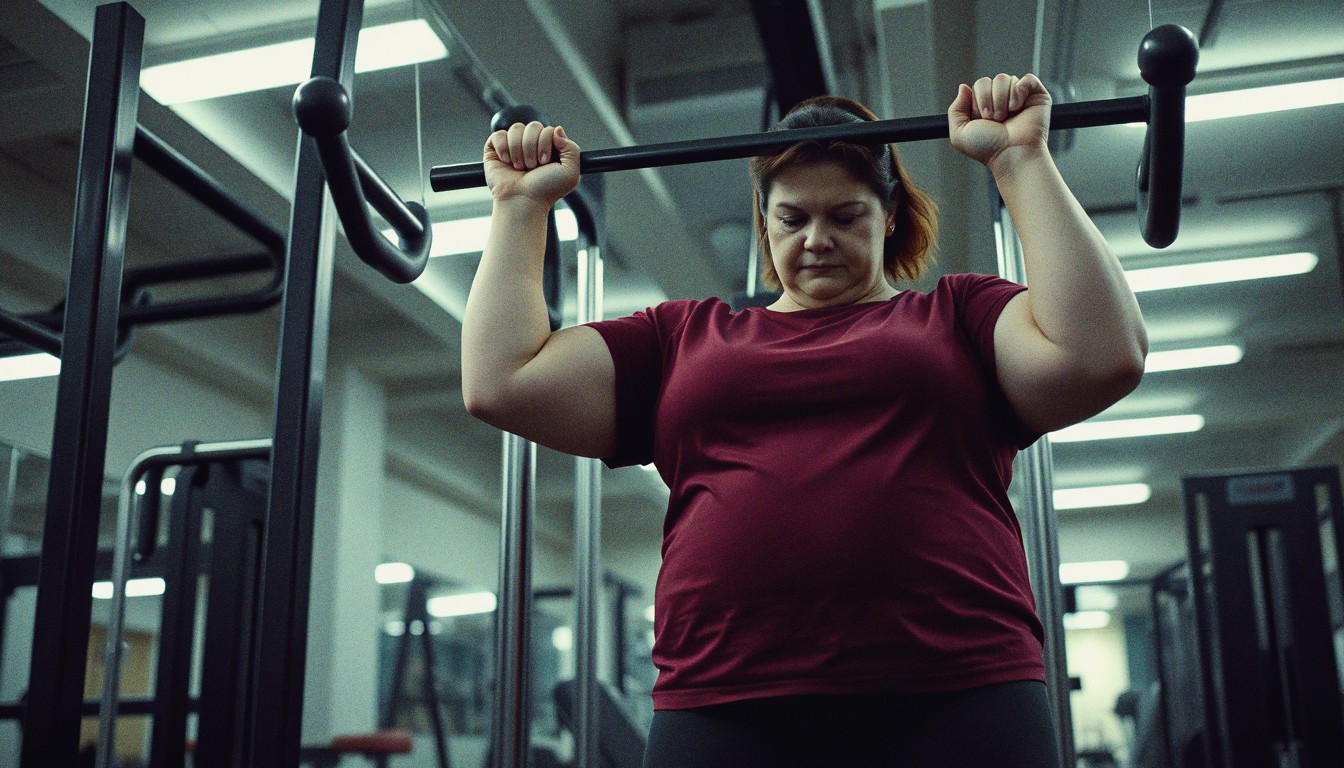
Start with these four exercises — they're where controlled eccentrics feel most intuitive and the payoff is immediately obvious:
- Bench press: lower the bar over three seconds to your chest, pause briefly, then press. You'll notice your pecs working far harder at the bottom position than usual.
- Squat: sit into the bottom of the squat over three seconds. Your quads and glutes will be working noticeably harder by mid-set — that stretch position is precisely where the stimulus is richest.
- Lat pulldown: control the bar back to full arm extension over three seconds. Most people let it fly back upwards — this is where the difference is stark from the very first rep.
- Bicep curl: lower the dumbbell slowly from the top back to full extension. The fully stretched position at the bottom is exactly where stretch-mediated tension does its work.
On load: resist the urge to drop weight dramatically. You may need to reduce slightly when you first add a controlled eccentric — that's fine — but don't assume you need to go very light. If you normally use 12kg dumbbells for curls, try 10kg with a full three-second eccentric before pulling further. The set will feel meaningfully harder at the same weight; that's the stimulus working.
On volume: controlled eccentrics increase post-session soreness, especially in the first week or two. Don't apply them to every exercise in a single session when you're starting out. Pick two or three movements per session and introduce more gradually over a few weeks.
On form: a slow eccentric will expose any technical weaknesses. If your form breaks down during the lowering phase, reduce the load rather than speeding up the tempo.
When to Get Professional Advice
If you're training around an existing injury — particularly anything involving the knees, elbows, or shoulders — introduce controlled eccentrics carefully. The increased mechanical demand during a slow lowering phase can aggravate conditions that feel manageable at normal tempo. If you're unsure whether this approach is right for your current situation, get the injury assessed before changing your technique.
If you notice sharp pain (rather than the expected burn and fatigue of a harder set) at any point during a controlled eccentric, stop the set and get it looked at.
One Change. This Session.
Pick a single exercise in your next session — the lat pulldown, the squat, whatever you're hitting first. Count to three on every lowering phase. Don't change anything else.
Notice where you feel the muscle working. Notice when the set starts to get hard. Then, the session after that, bring it into a second exercise. That's the whole plan.
The weight you've already been lifting has more in it than you've been asking for. The lowering phase is where you find it.
---
This article is general information, not medical advice. If you have a health condition or are new to exercise, check in with a qualified professional before making big changes.
If you're training around pain or a current injury, get it assessed by a physiotherapist or GP before pushing on.