Nutrition
Your Water Bottle Isn't a Prop: The Practical Hydration Guide for Gym-Goers
27 June 2026
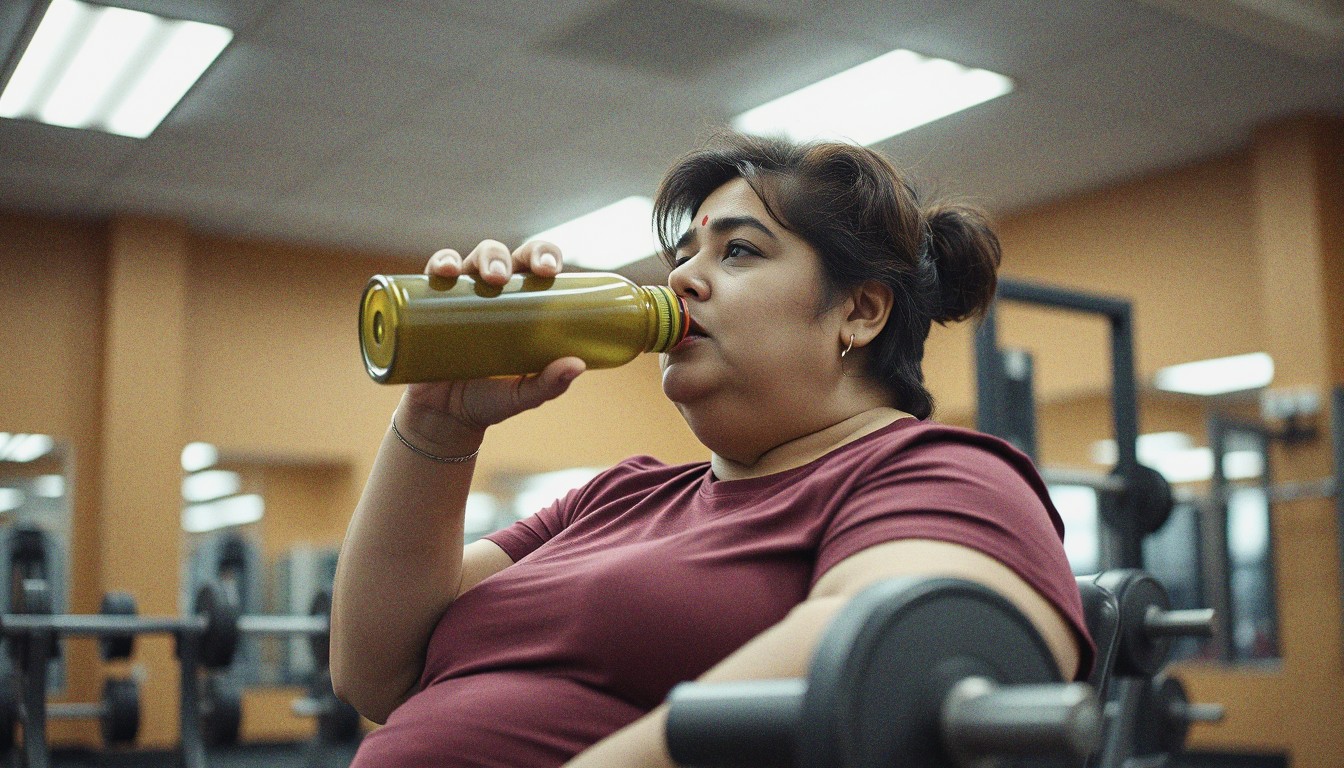
You've seen them — pristine water bottles sitting untouched beside someone on the bench from the first set to the last, heading home just as full as they arrived. Maybe you've been that person. If your sessions have been feeling harder than they should, or you're leaving with a headache that lingers through the evening, the answer is often sitting right there beside you, full to the brim.
Hydration doesn't need to be complicated. A simple before-during-after approach costs nothing to start and takes no extra time — and most gym-goers feel the difference within a few sessions.
Training days need more fluid than you might think
Your body loses fluid constantly — just existing, breathing, and going about your day costs you water. Add a gym session, even a moderate one, and sweat losses push your needs notably higher. UK gym floors in summer are rarely perfectly cool, and a proper session — whether you're lifting, doing HIIT, or grinding through a long circuit class — costs you more fluid than a regular desk day. The exact amount varies with your body size, session intensity, and how readily you sweat, but the principle is consistent: training days need more fluid than rest days, and most people never adjust for that.
Start before you walk through the door
Arriving dehydrated is the most common hydration mistake gym-goers make. Playing catch-up mid-session is harder on your body than maintaining fluid balance from the outset — by the time you're mid-set and reaching for the bottle, you've already been working with a deficit.
A pre-gym fluid habit doesn't need to be complicated:
- If you train after work, drink steadily through the afternoon rather than trying to compensate with a big gulp in the car park
- If you train in the morning, have a decent drink as soon as you wake up — you've gone several hours without fluid overnight
- Have a glass or two of water in the hour before your session, on top of your usual daily intake
Arriving already well-hydrated means your warm-up and your first working sets are happening in a better internal environment from the off.
Sip steadily — don't wait until you're thirsty
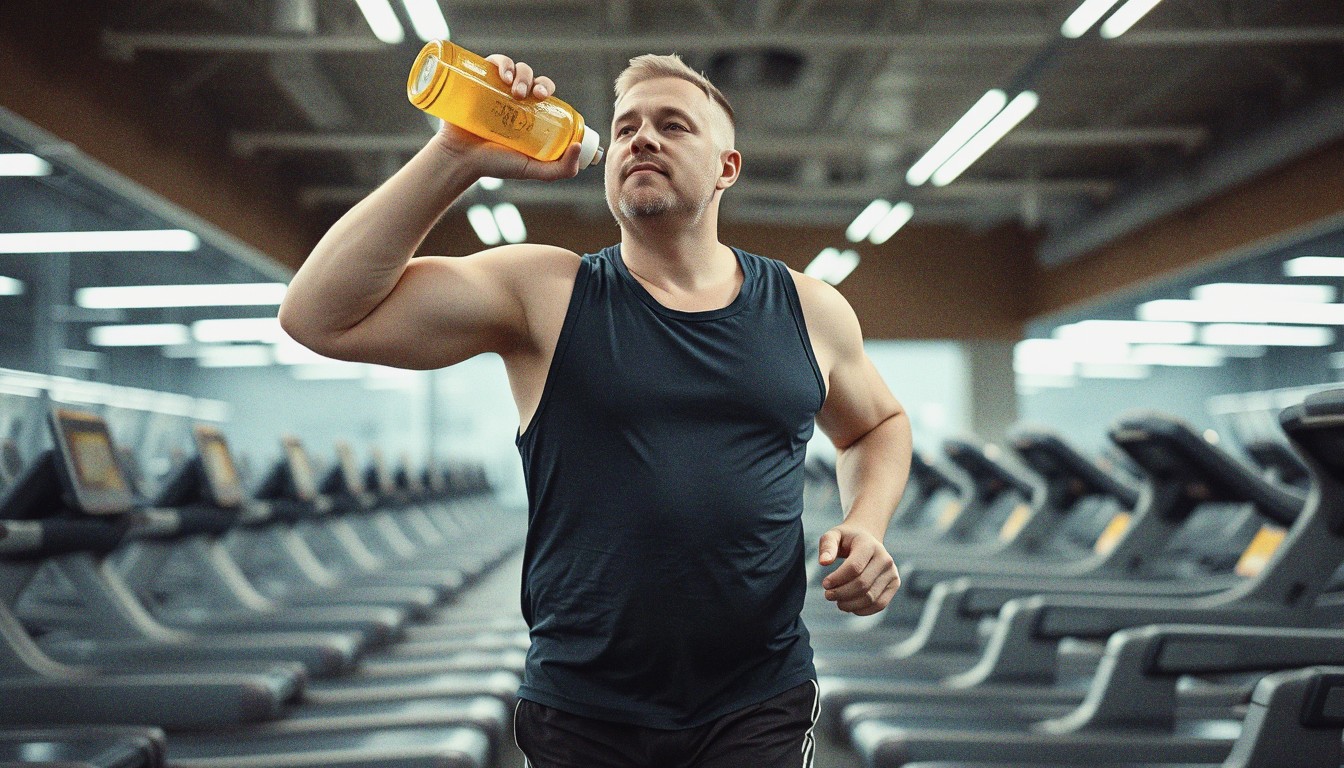
Thirst is a lagging indicator. By the time it registers clearly, mild dehydration is already underway — and that carries real knock-on effects on energy and focus during a workout. Steady sipping throughout your session beats waiting for thirst to kick in or taking big infrequent gulps.
The most effective change here is almost embarrassingly simple: put the bottle on the bench, not in the bag. You'll drink more without thinking about it, just because it's in front of you. For a standard hour-long session, consistent small sips is the practical target. Longer or more intense sessions — and hotter days — push your needs higher.
After training: replace what you lost, simply
You've sweated. Replace it. This doesn't need a formula or a set of scales.
Have a decent drink shortly after finishing — before you drive home or get on the Tube. Then keep drinking steadily through the next couple of hours. Your urine colour is the clearest signal: pale straw-yellow is the target. Dark yellow or amber means keep drinking.
For most gym-goers training regularly, this approach covers the bases without complicated calculations.
Read your own signals
Pale straw-yellow urine is your simplest, most reliable real-time hydration check — no equipment required. Darker shades are a clear prompt to drink more before your next session.
Mild dehydration has a habit of disguising itself as something else:
- A session that feels notably harder than it should
- A dull headache that shows up after training
- Difficulty staying focused or motivated between sets
- Lifts that feel heavier when your programme and sleep haven't changed
These have other causes too, so they're not definitive on their own. But if they're cropping up regularly alongside inconsistent fluid intake, hydration is the obvious first place to look.
Summer sessions and extra sweat
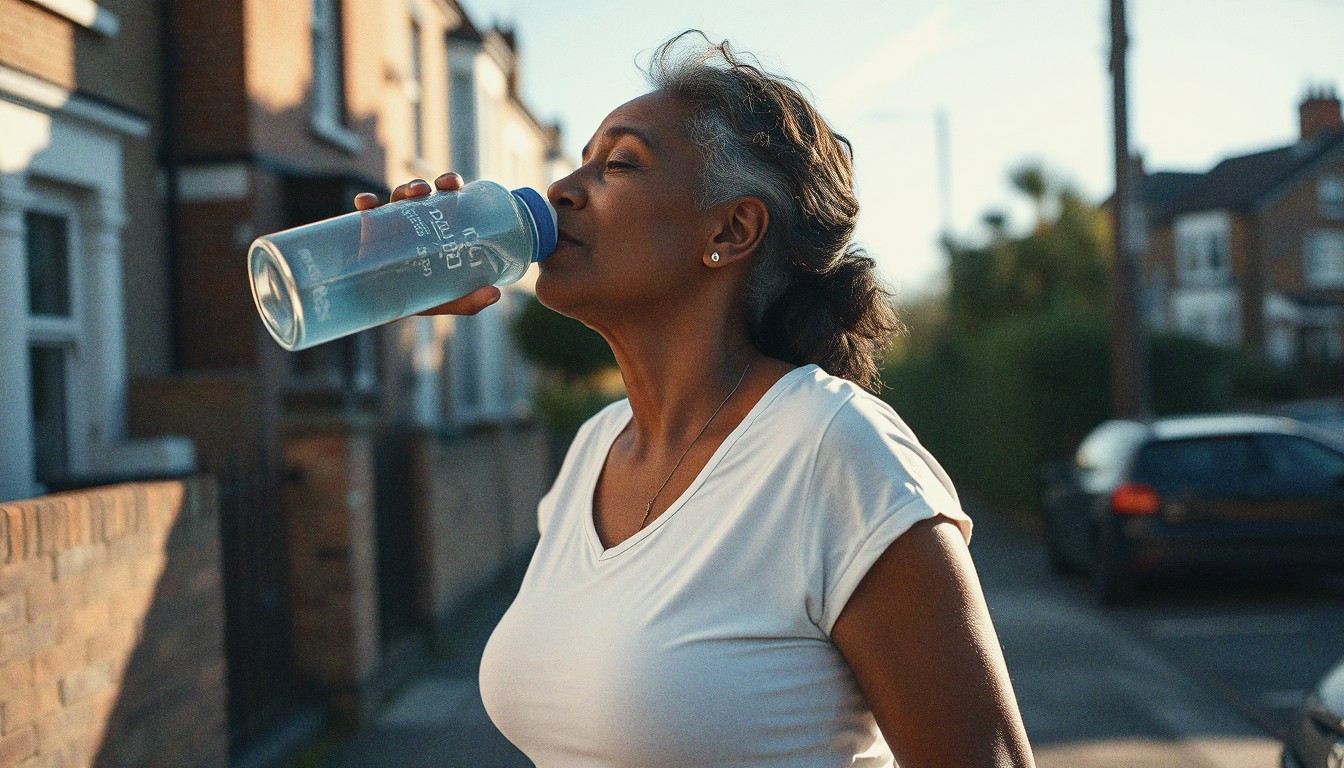
It's late June. UK gym floors — even those with decent air conditioning — are warmer than they were in January. Sweat rates rise with temperature, so your fluid losses during a session are likely higher right now than at other points in the year. Factor in an extra glass or two as part of your pre-gym habit and keep the bottle accessible throughout rather than leaving it in your bag during a warm evening session.
This is especially relevant for outdoor training, sustained-effort HIIT, and anything that keeps your heart rate elevated for long periods — all popular choices in summer. Even if you don't feel like you're sweating dramatically more than usual, fluid losses accumulate faster than you might expect in warmer conditions.
Does your coffee, tea, or shake count?
This one catches people out. The short answer: yes, most drinks count toward your daily fluid intake.
Coffee and tea do contribute, despite the persistent myth that caffeine cancels them out. At normal quantities, the mild diuretic effect of caffeine doesn't offset the fluid volume in the drink itself — your morning flat white and your afternoon builder's tea both count toward your total. Caffeine is also well-documented to support alertness and mental performance; a systematic review of caffeine and cognitive function explains why it has become such a popular pre-training drink. From a straightforward fluid-balance perspective though, caffeinated drinks still contribute positively to your daily total.
Protein shakes mixed with water or milk count too. Sports drinks count, though for most sessions under an hour at moderate intensity, plain water is perfectly adequate.
Alcohol is the exception — it genuinely works against rehydration after training, which is worth keeping in mind if you're heading out after an evening session.
If you use any performance supplements — including bicarbonate-based products, which some gym-goers use to support high-intensity efforts Gough et al., 2021 — check whether there are specific fluid recommendations attached to what you're taking, and speak to a professional if you're unsure.
How to use this in the gym
Here's what the before-during-after plan looks like in practice for a typical evening session:
- Before (through the afternoon): Drink steadily during the day. Have a glass of water before you leave work or the house
- During: Bottle on the bench. Sip every couple of sets — you don't need to time it, just keep it accessible
- After: Have a drink before you leave the changing rooms. Keep drinking steadily for the next hour or two at home
- Check: Pale urine colour later in the evening means you've done well. Darker means add more fluid tomorrow
Pick up a marked water bottle before your next session and try this plan for a week — it takes no extra time, and you'll feel the difference.
When to get professional advice
Hydration needs can shift significantly with certain health conditions, medications — including some commonly prescribed for blood pressure and heart conditions — pregnancy, and kidney conditions. If any of these apply to you, or if you're training at high intensity and want specific guidance rather than general principles, speak to your GP. Feeling persistently unwell, faint, or unusually thirsty after exercise is always worth getting checked out.
This article is general information, not medical advice. If you have a health condition or are new to exercise, check in with a qualified professional before making big changes.
Supplements aren't a shortcut and aren't right for everyone. Speak to a GP, pharmacist or registered dietitian before adding any supplement, especially if you take medication.