
Recovery
How Many Rest Days Do You Actually Need? Here's How to Get the Balance Right
28 June 2026

You smashed legs on Tuesday and now Wednesday's arrived — gym bag by the door, quads still grumbling. Here's what most gym-goers get backwards: the rest day isn't a break from progress, it's where progress actually happens.
Getting the balance right between training days and recovery is one of the most valuable adjustments you can make to your programme. Once you understand why rest works, the guilt around taking days off more or less disappears.
The guilt trip no one talks about
Rest days carry a strange stigma. Gym culture — or at least the version of it living on your social feed — makes it look like the best athletes never stop. But that feed rarely shows the structure behind those training weeks, or how much deliberate recovery is built in.
The gym is the trigger, not where adaptation happens. You load the muscle, create stress, and send the signal. Everything that follows — repair, growth, strength gains — happens while you're away from the equipment. Skipping recovery doesn't mean grinding harder. It means interrupting the process before it finishes.
What's actually happening when you rest
During a session, muscle fibres experience micro-damage and your nervous system takes a significant hit. Once you stop training, protein synthesis increases, hormonal responses support repair, and the tissue comes back marginally stronger than before. That process is adaptation — and it has a time requirement.
For most people with moderate training volumes, muscles are reasonably ready to go again within 48 to 72 hours. That window can stretch further depending on what you've done. Some training methods place particularly notable demands on tissue: high-load resistance training with blood flow restriction creates meaningful acute stress on the muscle PubMed, 2025, and techniques like rest-pause sets — a progressive-overload method where short intra-set rest intervals allow extra reps beyond normal failure — place similarly demanding loads on the body EuropePMC, 2025. The more intense the session, the more complete the recovery needs to be before you return to that muscle.
How often should you train each muscle group?
For most gym-goers training three to five days a week, training each muscle group roughly twice a week is a reliable and effective target. You get the stimulus and the recovery window — rather than hammering the same tissue before it's had time to rebuild.
A four-day split that holds up well in practice:
- Monday: Upper push (chest, shoulders, triceps)
- Tuesday: Lower body (quads, hamstrings, glutes)
- Thursday: Upper pull (back, biceps)
- Friday: Lower or full-body accessory
This naturally gives 48 to 72 hours between sessions targeting the same muscle groups, with rest days placed mid-week and at the weekend. Simple, repeatable, and sustainable.
Five signs you're not recovering enough right now
If progress has stalled, your body is usually offering signals before your lifts do. Watch for these:
1. Your lifts are going backwards. If weights that felt manageable last month now feel heavy, fatigue is the most likely explanation — not a sudden drop in strength. 2. Soreness that won't clear. Some DOMS after a hard session is normal. Persistent ache that never fully goes between sessions suggests you're returning too soon. 3. Sleep quality has dropped. Physically tired but lying awake, or waking up unrefreshed — this is a common sign your recovery load is too high. 4. You're irritable or low in mood. Consistent under-recovery puts strain on the nervous system in ways that show up well beyond the gym. 5. You're dreading training. One flat day is nothing to worry about. Consistently not wanting to go — when you usually enjoy it — is worth taking seriously.
Spot three or more of these together? Add a rest day before you consider pushing harder.
Active rest vs full rest: what actually counts?
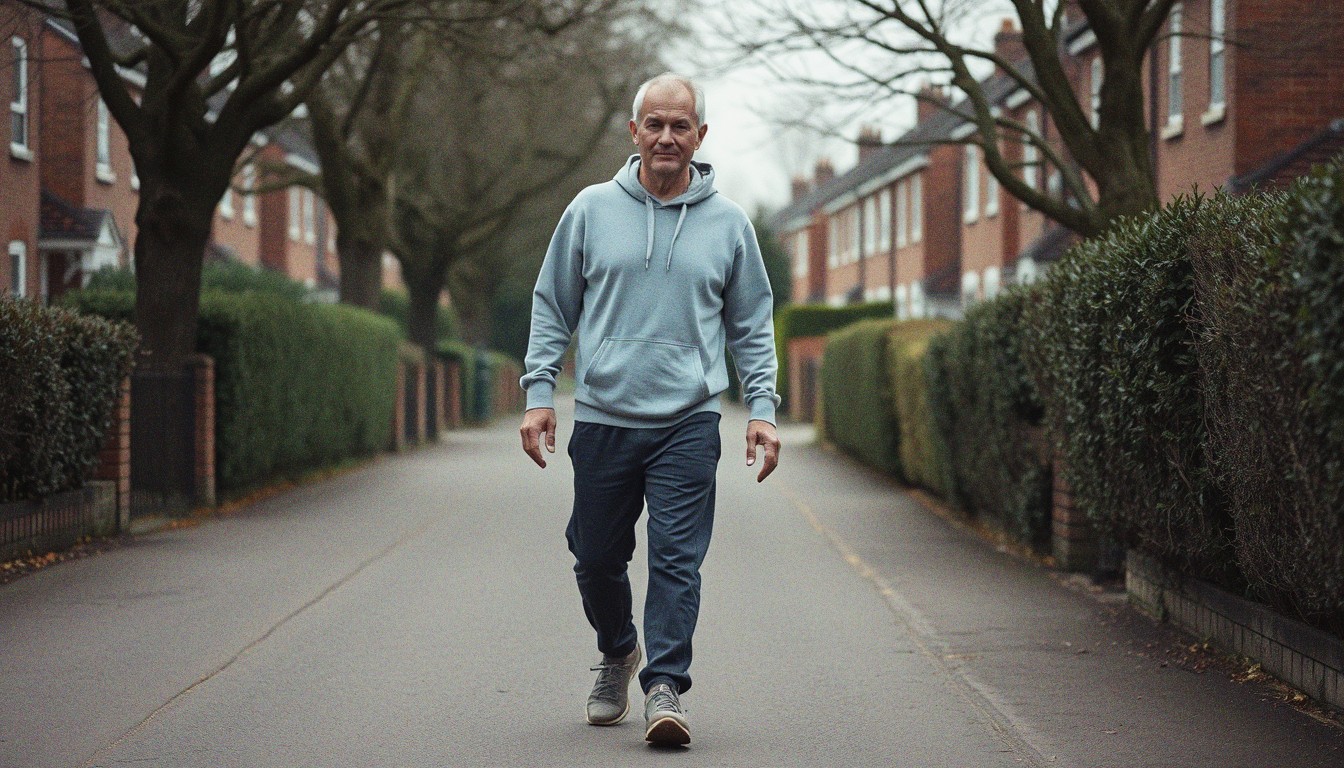
Not every rest day has to be a lie-down day. Light walking, stretching, foam rolling, or an easy swim all count as active recovery — and many people find these feel better than doing nothing, particularly the day after heavy legs when moving helps ease the stiffness.
Full rest has its place too. If you're genuinely fatigued rather than just sore, a day of low activity is the appropriate response — not a failure of commitment.
A useful distinction:
- Active recovery suits days when you're mildly sore but not wiped out. Keep intensity genuinely low — a 20 to 30-minute walk, some mobility work — nothing that creates further fatigue.
- Full rest suits the day after your heaviest sessions, after poor sleep, or when soreness and fatigue are both high at the same time.
How to use this in the gym
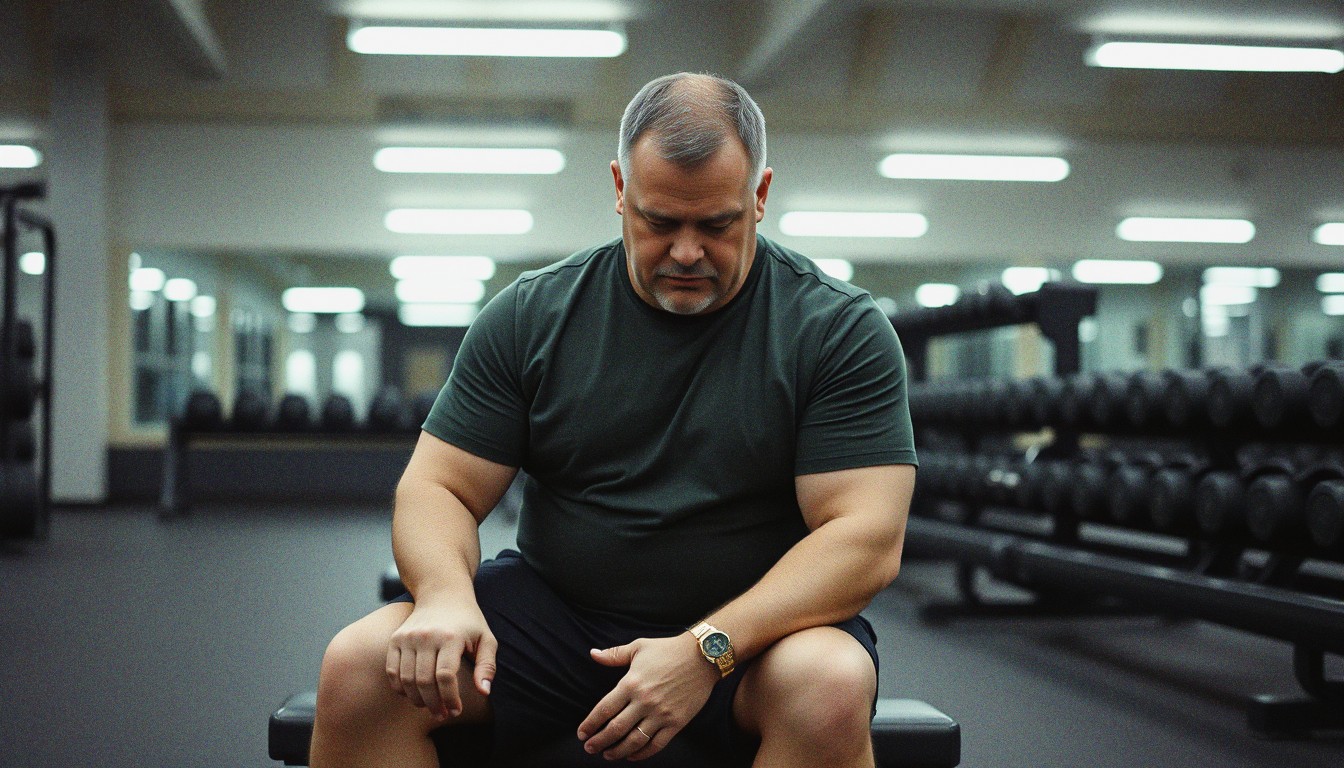
Here's how to put this into practice this week:
- Plan rest days before your training days. Decide when you'll rest first, then build the training around it. One mid-week rest day and one at the weekend is a solid starting point for most four-day programmes.
- Log your sessions. Tracking your lifts on SmartGyms makes it easy to spot when performance is dipping — usually the first practical sign that recovery is falling short.
- Avoid back-to-back heavy sessions on the same muscle group. Two hard leg sessions on consecutive days is rarely productive. Alternate push/pull or upper/lower to give each area its window.
- Use the soreness check. If a muscle is still noticeably sore from two days ago, consider whether today is the right day to return to it — or whether shifting the session back by 24 hours makes more sense.
- Keep rest days flexible. One to two planned rest days per week works for most people, but during high-stress periods, illness, or poor sleep, your recovery capacity drops. Give yourself permission to adjust rather than force sessions.
Building your week
A practical week for someone training four days:
- Monday: Train (upper push)
- Tuesday: Train (lower body)
- Wednesday: Rest or active recovery
- Thursday: Train (upper pull)
- Friday: Train (lower or full-body)
- Saturday: Rest or active recovery
- Sunday: Rest
Training three days a week? Spread sessions with at least one rest day between each. Training five days? Make sure at least one rest day falls mid-week, and take the under-recovery signals more seriously — the margin for error is smaller the more days you train.
When to get professional advice
Normal training soreness is one thing. Sharp, stabbing, or joint-specific pain during or after sessions is another — if that's what you're experiencing, get it assessed by a physiotherapist or GP before continuing. Persistent fatigue that doesn't respond to additional rest days, or low mood that lingers beyond a couple of weeks, is also worth discussing with a doctor. Rest-day planning is a training tool, not a substitute for clinical support when something more is going on.
---
Ready to see the data for yourself? Log your sessions on SmartGyms and watch how your lifts respond after a proper rest day — the numbers make the case better than any advice.
---
This article is general information, not medical advice. If you have a health condition or are new to exercise, check in with a qualified professional before making big changes.
If you're training around pain or a current injury, get it assessed by a physiotherapist or GP before pushing on.