
Training
Do You Actually Need to Warm Up Before Lifting? Here's What It Really Does
1 July 2026
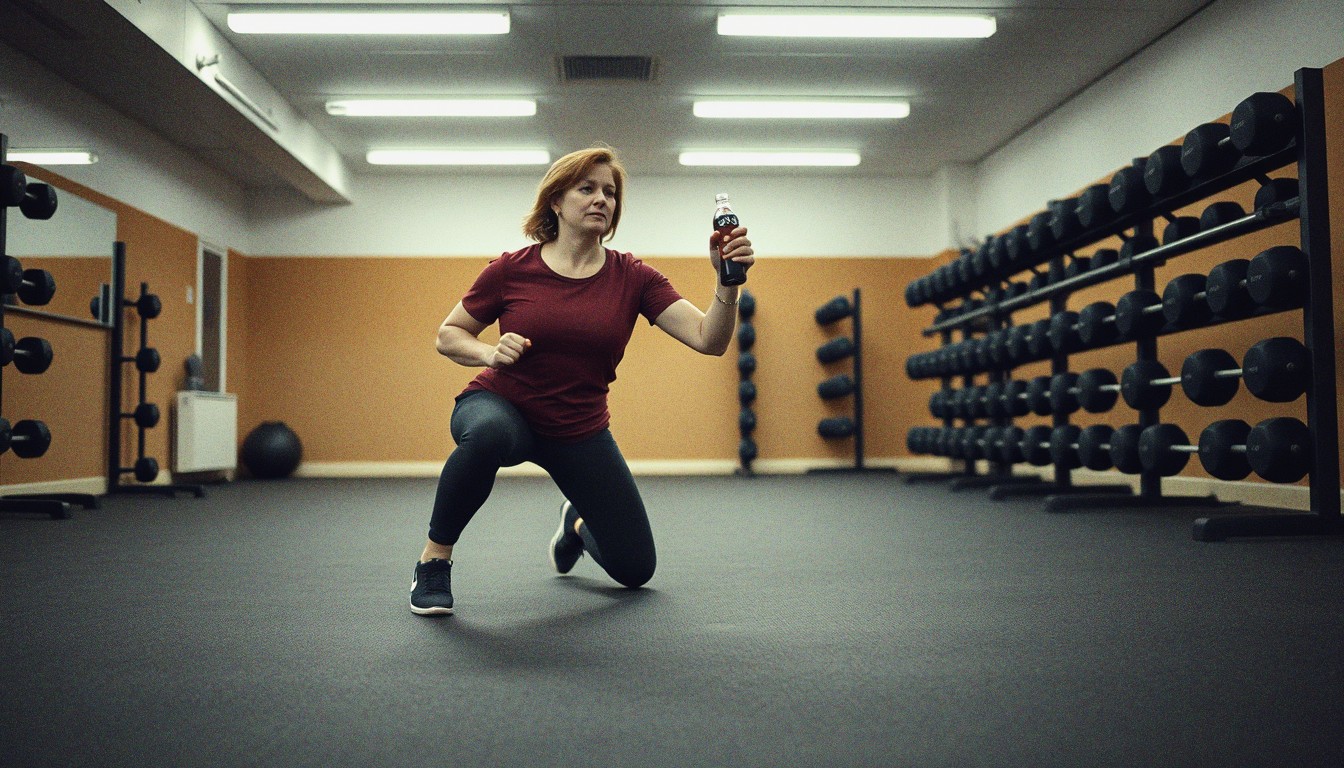
You've done it: walked into the gym, clocked the squat rack was free, and gone straight to the bar. If that first working set always feels stiffer and heavier than it should, the five-minute warm-up you skipped is why — and fixing it makes a difference you'll feel on your very next set.
This isn't about ticking a box. A targeted warm-up changes the quality of every rep that follows. Here's what it actually does, and how to run one properly.
What "warming up" actually means
There are two distinct phases to an effective warm-up, and most people do at most one of them.
General warm-up is about raising your heart rate, increasing blood flow, and nudging your core temperature up slightly. Jumping jacks, skipping, light rowing — anything that gets the body moving without fatiguing you. Your muscles work better when they're warmer, joints feel freer, and tissue is more pliable.
Specific activation is something else entirely. This is about priming the exact muscles and movement patterns you're about to load. Hip circles and glute bridges before squats. Band pull-aparts and shoulder rotations before any pressing session. Slow, controlled bodyweight versions of the lift you're about to do under load. This is the phase most gym-goers skip — and it's where most of the performance gains from warming up actually live.
Both phases matter. One without the other leaves you half-prepared.
What happens in the muscle when you skip it
Cold muscles recruit motor units less efficiently. Your nervous system hasn't hit full activation yet. Connective tissue is stiffer, your usable range of motion is reduced, and your joints haven't been taken through their pattern. All of this means your first working set is doing two jobs at once: trying to ramp up your readiness and produce maximum effort simultaneously.
Resistance training works because it places real mechanical demands on muscle tissue — that stress is what drives adaptation and makes you stronger over time. Exercise-induced muscle stress is a well-established physiological reality Exercise-Induced Muscle Damage Review, 2020. When you go into a working set cold, you're asking your muscles to absorb a full training load before they're operating properly. Those reps aren't as productive as they should be.
Effectively, your warm-up happens anyway — it just happens with your target weight on the bar instead of without it.
The performance case — not just the injury case
Most conversations about warm-ups default to injury prevention. That's a legitimate reason to do one, especially before heavy compound lifts. But for most regular gym-goers, the stronger argument is a performance one.
Every set you do is a training stimulus. The quality of that stimulus — the intent, the range of motion, the control — shapes the adaptation you get from your programme. Research into resistance training shows that the velocity and effort you bring to each set directly influences your muscular fitness outcomes Velocity Resistance Training Study, 2025. A sluggish, restricted first set with poor movement quality isn't earning its place in your programme.
A proper warm-up means your first working set is your best version of that set — not a throwaway rep you're just grinding through.
How to use this in the gym
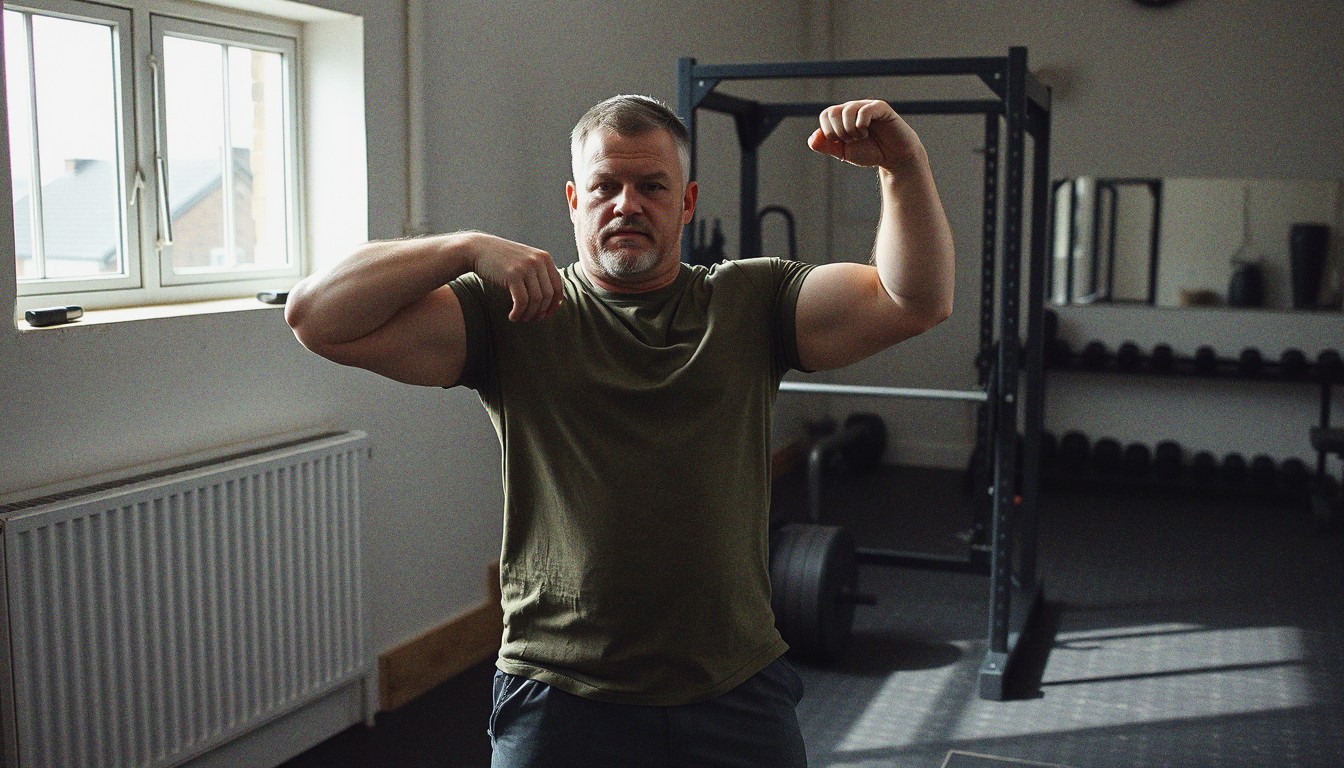
Here's a five-minute sequence that covers both phases. Run through this before most lifting sessions and adjust for the day's focus.
- Jumping jacks or skipping: 60 seconds
- Arm circles, hip circles, leg swings: 30 seconds of each
- Bodyweight squats, slow and controlled: 10 reps
- Hip flexor stretch with thoracic rotation: 5 reps each side
- Glute bridges: 15 reps
- Shoulder rotations or band pull-aparts: 10–15 reps
- Empty bar or very light weight — focus on movement quality, not speed
- 40–50% of your working weight: 4–5 reps
- 70–80% of your working weight: 2–3 reps
- Working sets: go
Most people already do some version of this ramping without thinking of it as warm-up work. It is. You might be doing more than you realise.
On leg days, also add:
- Extra hip circles and lateral leg swings
- Clamshells or glute bridges with a pause at the top
- A goblet squat with a hold at the bottom — excellent for opening up hips and ankles before squatting
On upper-body pressing days, also add:
- Band pull-aparts (start these if you haven't — they make a genuine difference to shoulder health over time)
- Internal and external shoulder rotations
- Face pulls on the cable if you have access
On heavy compound days — deadlifts, squats, heavy bench — take one or two extra ramp-up sets before your opener. Don't cheat the range of motion on your warm-up reps. That's the entire point of doing them.
Common warm-up mistakes
Five minutes on the treadmill then straight to the working weight. A general warm-up without specific activation leaves your target muscles unprepared. The treadmill does nothing for your shoulders before a bench press session.
Foam rolling for twenty minutes. Foam rolling has genuine value as a recovery tool, but a lengthy rolling session before lifting isn't a warm-up. It's displacement activity. Keep it brief if you use it pre-session.
Skipping it on light days. Light sessions often involve higher reps at speed, which demands good motor control — arguably requiring more care with activation, not less.
When to get professional advice
If you're new to gym training, a single session with a qualified personal trainer to review your warm-up routine and movement on key lifts is time and money well spent. If you're returning after an injury or dealing with a persistent ache in a joint, speak to a physiotherapist before loading any movement that aggravates it. A good warm-up reduces risk — it is not a substitute for having something properly assessed.
The mindset shift that makes it stick
Your warm-up isn't the boring bit before the session begins. It IS your session beginning. The five minutes you invest at the start determines the quality of everything that follows.
Set a five-minute timer before your next session. Run through the sequence above. Pay attention to how your first working set feels compared to the days you've walked straight to the rack. One session is usually all it takes.
---
This article is general information, not medical advice. If you have a health condition or are new to exercise, check in with a qualified professional before making big changes.
If you're training around pain or a current injury, get it assessed by a physiotherapist or GP before pushing on.