Training
One Side at a Time, or Both? The Smarter Call When You're Short on Gym Time
19 July 2026
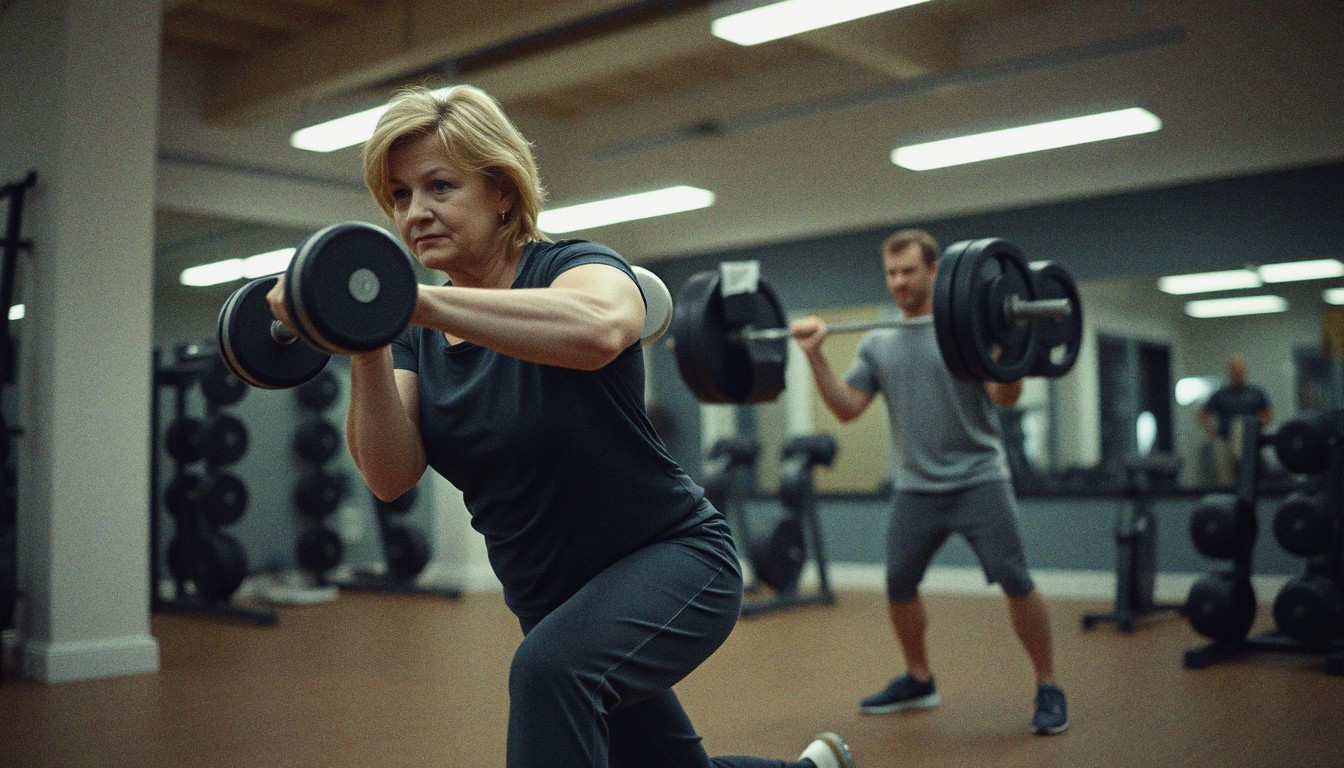
The squat rack's taken, there are 30 minutes on the clock, and your programme says "bilateral leg day." Here's what most gym-goers miss in that moment: swapping a compound bilateral movement for its unilateral equivalent doesn't cost you gains — and knowing why gives you a genuinely faster, more effective short session.
Bilateral and unilateral exercises produce broadly comparable strength and muscle adaptations for most training goals. You don't need to pick a team. You need to know how to combine them when time is tight.
Bilateral training: why most programmes are built around it
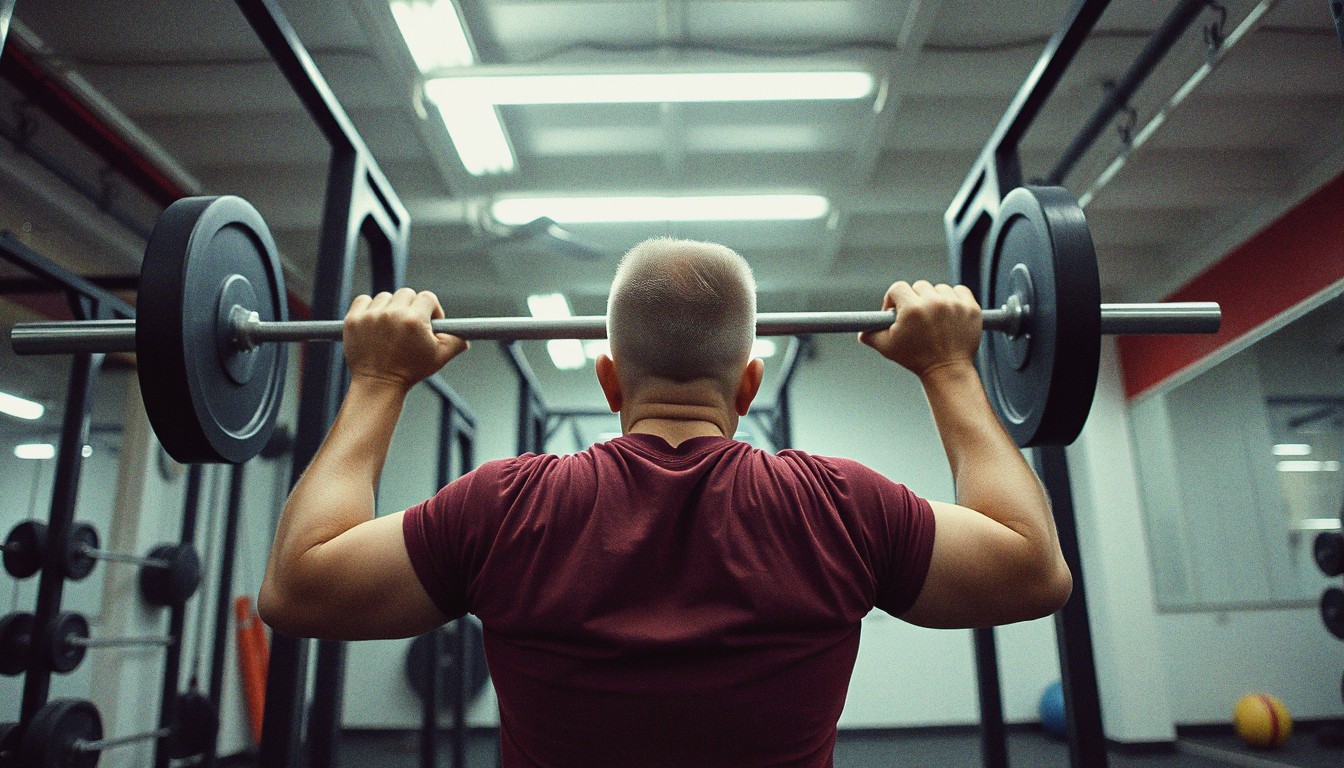
Bilateral training means both limbs working at the same time — squats, deadlifts, bench press, barbell rows. Most beginner and intermediate programmes centre on these movements because they allow heavier absolute loads, recruit large amounts of muscle across multiple joints in one go, and give you a clear progression to track week on week.
They're the lifts most gym-goers are chasing numbers on, and for solid reasons. Bilateral compounds translate well to real-world strength and provide the load stimulus that drives a lot of muscle development.
But they come with a quiet flaw: if one side is stronger, the other tends to let it compensate. With a barbell, that imbalance stays hidden.
Unilateral training: what it actually looks like
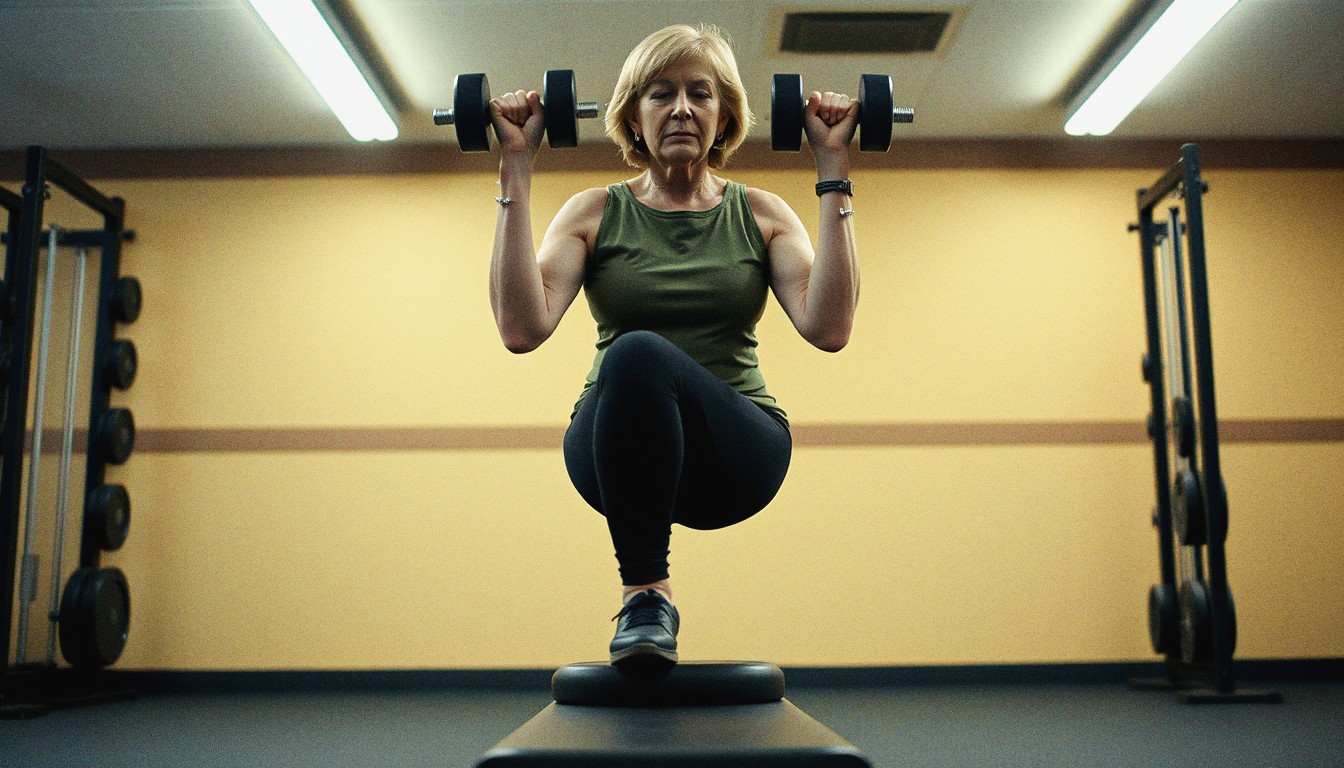
Unilateral work means one limb at a time — Bulgarian split squats, single-arm rows, single-leg press, single-arm cable pulls. They tend to get filed under "accessories" or dismissed as physio-style exercises. That undersells them considerably.
Each limb has to independently manage the load, stabilise the joint, and complete the full range of motion. That demands more from stabilising muscles and exposes exactly the side-to-side gaps that bilateral work quietly papers over.
What a large-scale comparison actually shows
Here's the research finding that should change how you approach exercise selection in a short session: a systematic review and meta-analysis comparing unilateral and bilateral resistance training found that both approaches produce broadly comparable adaptations in strength and muscle development across most training goals (PubMed Systematic Review, 2025). Neither approach consistently outperforms the other for the outcomes most intermediate gym-goers are working towards.
That finding matters practically. It means the session you salvage from a taken rack or a packed schedule — substituting a Bulgarian split squat for a barbell squat — is not a compromised session. It's a valid one.
Bilateral lifts do allow heavier absolute loads, which has value for developing peak strength. But in a 30–45 minute training window, that's rarely the factor worth stressing over.
The superset shortcut isn't the metabolic boost you think
Supersetting is the obvious short-session move — pair two exercises, keep moving, get more done in less time. But there's a common misconception worth clearing up here: research shows that supersets do not increase energy expenditure compared to traditional set structures in physically active people (Europe PMC, 2018). The metabolic upgrade many people expect? It isn't there.
What supersets genuinely give you is recovered time. By working one muscle group while another rests, you compress the session without compressing the work itself. That's a real, useful win — just frame it correctly. You're saving minutes, not burning extra kilojoules. That distinction matters when you're deciding how to structure a tight session, because the value is in efficiency, not some hidden calorie effect.
The imbalance problem bilateral training quietly ignores
Bilateral lifts can mask side-to-side strength differences for years. If your right leg is stronger, a barbell squat accommodates it — the dominant side absorbs more of the load, and you finish the set feeling fine without ever registering the gap.
Unilateral work surfaces these differences quickly. One or two exercises per session is enough to notice if one leg is noticeably shakier on a split squat, or if your weaker side cuts a row short before the other would.
Including unilateral movements — even a single exercise per session — is one of the most practical ways to catch imbalances before they compound. There's also a well-documented cross-education effect: training one side of the body produces measurable strength adaptations in the untrained side (PubMed Meta-Analysis, 2017). That's a useful property if you're temporarily working around a niggle or managing load on one side.
The smarter hybrid: bilateral anchors, unilateral accessories
The most efficient structure for a 30–45 minute session isn't all bilateral or all unilateral — it's a bilateral compound at the start, followed by unilateral accessories. Here's why it works:
- Bilateral compound first: you hit it when you're freshest and can move the most load
- Unilateral accessories after: lighter weights, shorter rest periods possible, and direct work on the imbalances your compound lift just loaded unevenly
- Superset the accessories: pair upper and lower unilateral work to save 10–15 minutes without losing volume
You get the strength stimulus and the gap-filling work in a single session — without doubling your time in the gym.
How to use this in the gym
Here's a structure you can take into your next session. Aim to complete it in 35–40 minutes.
- Choose your main compound for the session: squat, deadlift, bench or row
- 3–4 working sets with appropriate rest between them
- Don't rush this portion — it's where the heaviest load lives and where you want full effort
- Pick one lower-body unilateral movement: Bulgarian split squat, single-leg press, or step-up
- Pick one upper-body unilateral movement: single-arm row, single-arm press, or cable pull
- Run them as a superset — 3 rounds, minimal rest between exercises, 60–90 seconds after each round
- Match the weaker side's rep count on both exercises, not the stronger one
- Loaded carries, planks, or core cable work — only if it's genuinely missing from your week
Nothing wasted, nothing bolted on for the sake of it.
When to get professional advice
If you notice a significant difference in strength or stability between sides — particularly if one side feels painful, unstable, or gives way under single-limb load — have it assessed by a physiotherapist or GP before pushing the intensity up. A noticeable gap is worth knowing about; pain during single-limb loading is worth investigating before you build volume on top of it.
Try this next session
Next time you train, pick one bilateral accessory you'd normally include — a leg press, a seated cable row, a fly — and swap it for the unilateral version. Same rep range, one side at a time. Notice how each side feels working independently.
The structure of your session often matters as much as the exercises themselves. This format lets you cover proper strength work and address the gaps your current programme quietly sidesteps — all in the time you've actually got.
---
This article is general information, not medical advice. If you have a health condition or are new to exercise, check in with a qualified professional before making big changes.
If you're training around pain or a current injury, get it assessed by a physiotherapist or GP before pushing on.