
Recovery
Stretch, Roll, or Just Head Home? The Post-Session Recovery Methods That Actually Deliver
18 July 2026
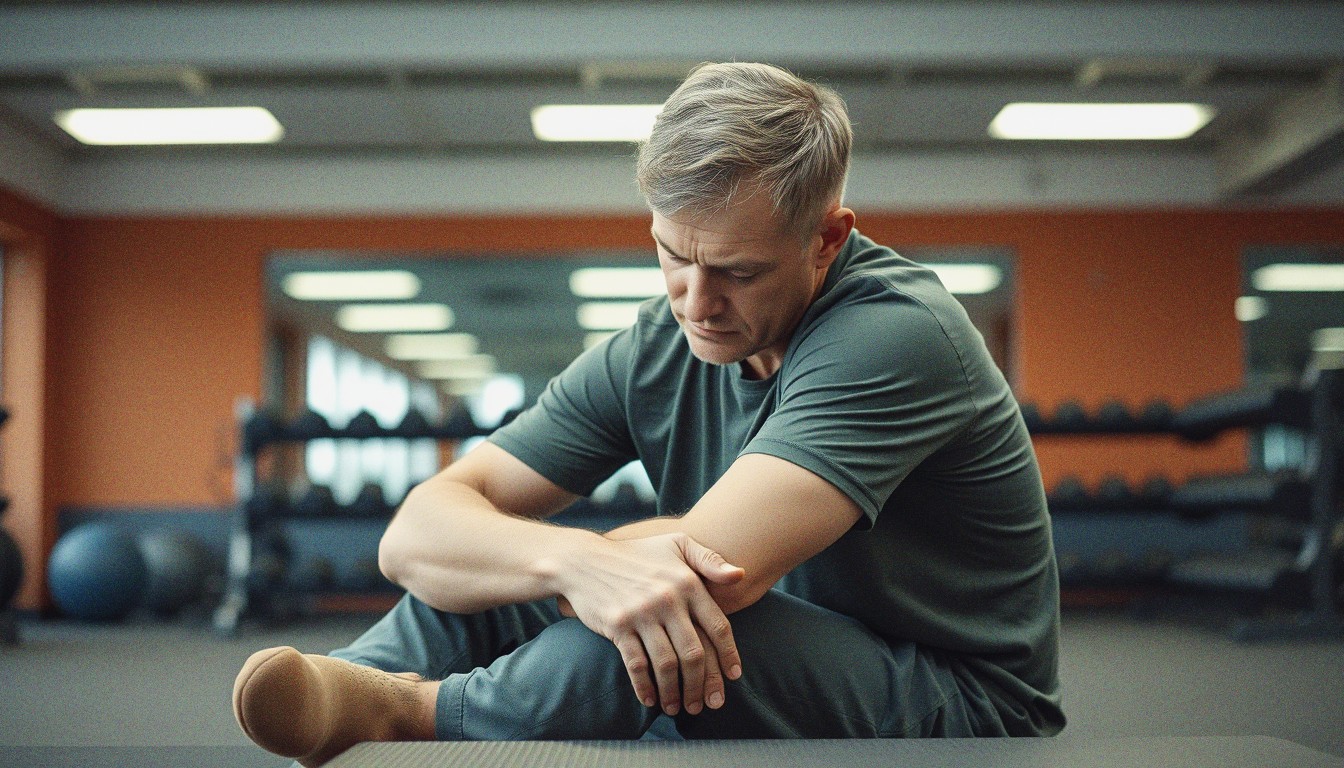
You know the scene. Session's done, the mats are finally free, and there's an unofficial standoff near the stretching area. One person's locked into a static hamstring stretch by the rack. Next to them, someone's grinding a foam roller along their quads with an expression that says "this is definitely doing something." Three metres away, a third person already has their bag over one shoulder and is heading for the door. Three approaches. One question hanging in the air: does any of it actually make a difference?
The honest answer is more useful than most fitness content will admit.
What your body's actually dealing with
After a hard session, your muscles have accumulated micro-damage, your heart rate is winding down from peak effort, and your nervous system is recalibrating. Post-session recovery tools exist to support that process — reducing how sore you feel the next day and ideally leaving you ready to perform again sooner. The debate has always been which method, if any, meaningfully moves those dials.
Static stretching: a legitimate tool, not a magic one
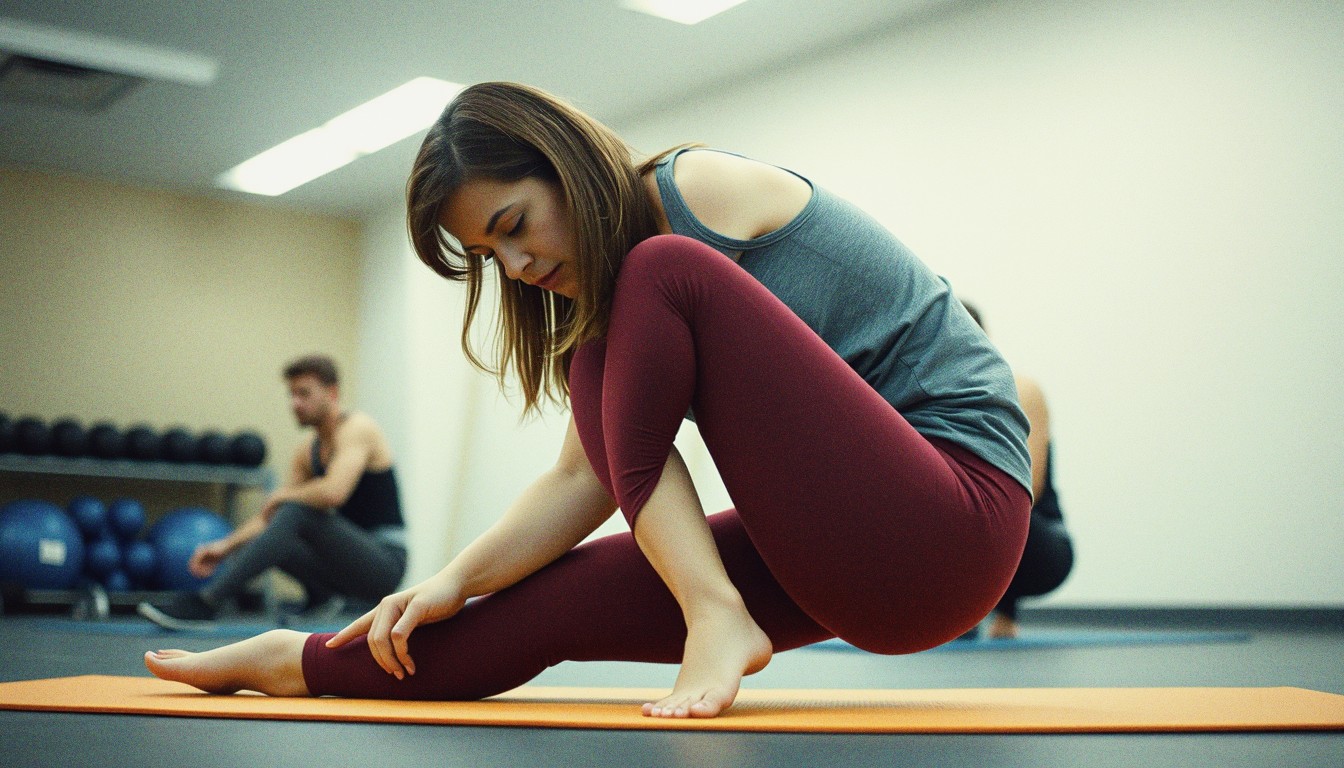
Post-session stretching gets painted as either the thing you must do or the thing that's secretly pointless. The truth is a fair bit more boring. Evidence on post-exercise stretching suggests it can support range of motion maintenance, but its effect on accelerating strength recovery is more modest than gym mythology would have you believe Stretching and Recovery Review, 2021. If you're holding a hamstring stretch hoping your legs will feel fully fresh the next morning, you're likely to be disappointed. If you're doing it consistently because you want to move better over time, that's a different and more defensible goal.
A study comparing static stretching, foam rolling, and passive rest in competitive athletes — measuring acute cardiac-autonomic, haemodynamic, and neuromuscular markers — found that passive rest held its own against both active modalities Foam Rolling vs Stretching vs Rest, 2025. That doesn't make stretching pointless. It does challenge the idea that any active cooldown automatically beats doing nothing.
Foam rolling: the soreness benefits are real, the hype isn't
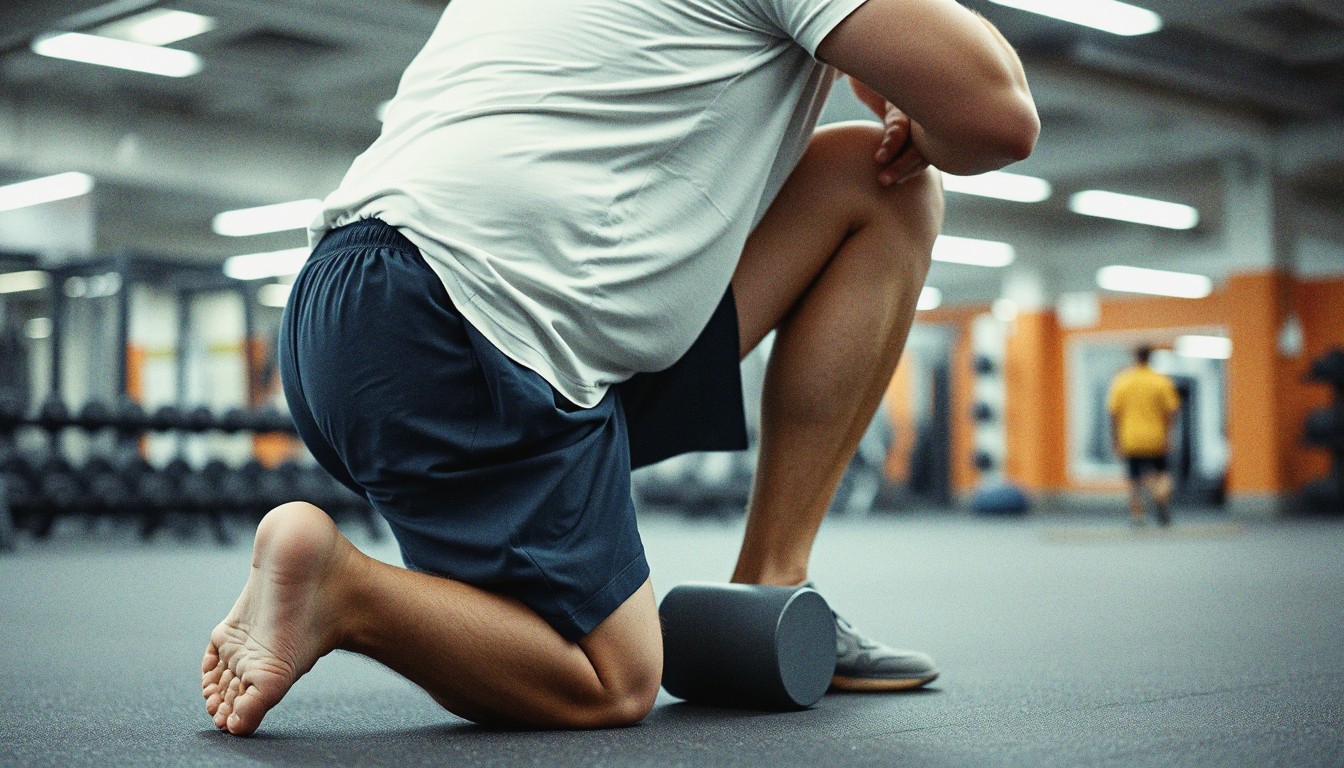
Foam rolling earns its place in the kit bag — just not quite for the reasons fitness content likes to claim. A meta-analysis of foam rolling found consistent evidence for reduced perceived muscle soreness and improvements in range of motion Foam Rolling Meta-Analysis, 2019. A systematic review of self-myofascial release techniques similarly found positive signals for athletes' physical performance when used as part of a recovery approach Self-Myofascial Release Review, 2024.
Where the evidence gets thinner is around how quickly your muscles are actually ready to produce force again. A randomised crossover trial comparing active and passive foam rolling found no significant difference in jump performance between the two approaches Active vs Passive Foam Rolling RCT, 2025. Roll because it genuinely helps with perceived soreness and because consistent range of motion work adds up over weeks. Don't roll expecting an immediate performance reset.
Passive rest: not a cop-out
Here's the finding that surprises most gym-goers. The same comparison study found that simply resting quietly after a session was a credible option alongside stretching and rolling when measuring acute cardiac-autonomic and haemodynamic recovery markers Foam Rolling vs Stretching vs Rest, 2025. If you're short on time, legitimately exhausted, or just can't face another five minutes on the gym floor, passive rest isn't a lazy choice. It's a valid one.
What usually matters more than your cooldown ritual is everything that happens in the hours that follow: eating well, staying hydrated, and — above everything else — sleep.
The unchallenged baseline: sleep
No active recovery method consistently outperforms sleep. It's the one area where coaches, physios, and researchers tend to stop arguing. Keep your bedroom cool and dark, step away from screens before bed, and prioritise enough sleep over fitting in an extra session. Cutting sleep to train more is almost always a net loss — you're trading the best recovery tool you have for more training stimulus your body then struggles to adapt to.
The broader lesson from all of this is that the differences between stretching, rolling, and doing nothing are smaller than the difference between doing something consistently and skipping it. The routine you actually stick to beats the optimal routine you keep postponing.
How to use this in the gym
Tier your cooldown by the time you actually have, not by what looks most thorough:
- Walk for a couple of minutes rather than stopping dead — let your heart rate come down naturally.
- If that's all you've got, go home, eat something decent, and make sleep the priority.
- Passive rest is legitimate. Not an excuse — evidence-backed.
- Two to three minutes of foam rolling on the muscle groups you trained hardest — quads, hamstrings, upper back, calves. Go where it feels tight, not head to toe.
- Follow with three to four static stretches held comfortably for 20–30 seconds each.
- This combination covers the consistent, evidence-backed benefits without turning your cooldown into a second session.
- Do the above, then add a slow cool-down walk or five minutes on the bike at an easy resistance.
- Log a brief note: soreness rating out of ten, quality of sleep that night, how the next session opens up. Seven days of honest data from your own body outperforms seven months of switching methods on instinct.
This week's experiment: Pick one tier and stick with it for every session this week. Rate your soreness the next morning and notice whether the following session feels stiff or ready in the first ten minutes. Your own data will tell you more than any hot take online.
When to get professional advice
If you're training around an existing injury, experiencing persistent post-session pain that doesn't settle with rest, or noticing anything sharp or localised during training, get assessed by a physiotherapist or GP before continuing. Recovery tools are not a substitute for proper injury management.
This article is general information, not medical advice. If you have a health condition or are new to exercise, check in with a qualified professional before making big changes.
If you're training around pain or a current injury, get it assessed by a physiotherapist or GP before pushing on.