Training
Free Weights vs Machines: The Honest Answer Most Gym Content Gets Wrong
2 July 2026
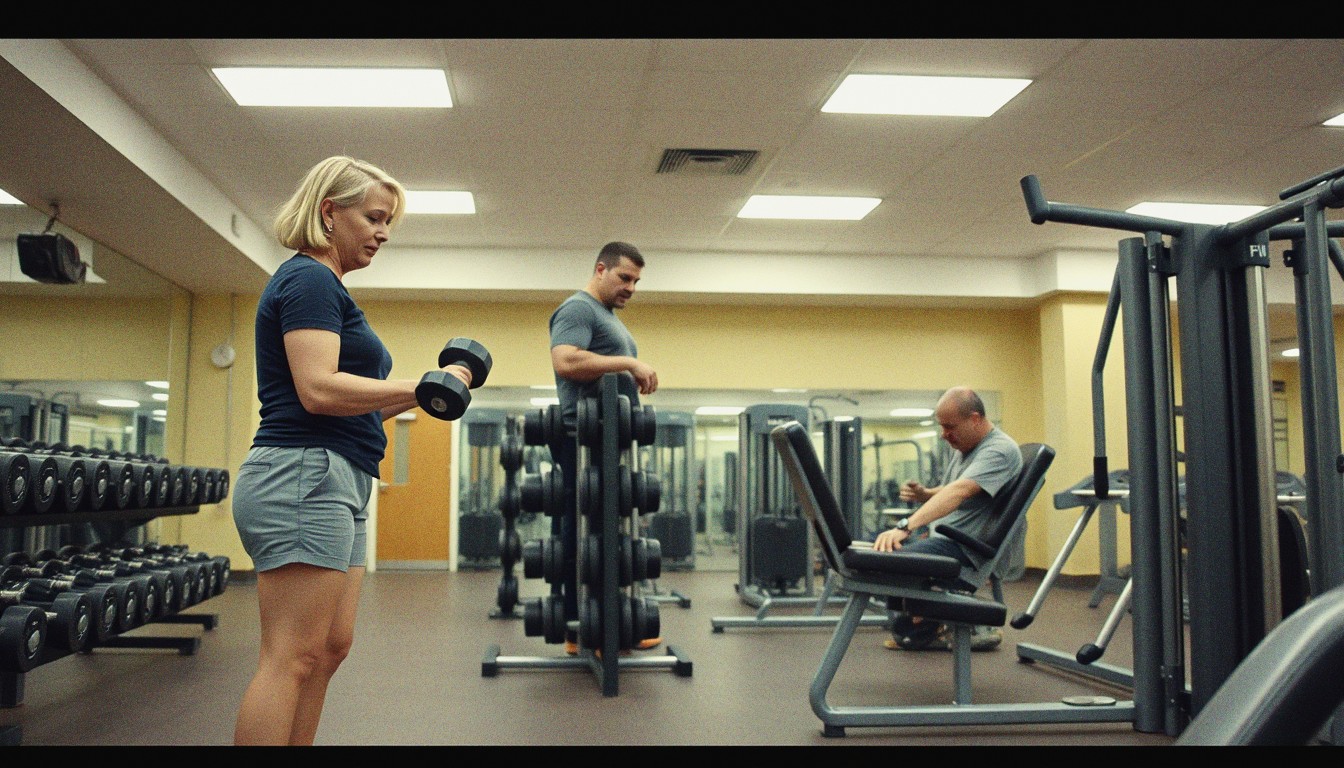
You've probably done it — stood in the weights room eyeing the squat rack, then quietly walked to the leg press instead. Here's the thing: that decision might have been exactly right for where you are right now.
The free-weights-versus-machines debate is one of gym culture's most tired arguments. One corner of the internet insists barbells are the only legitimate path to strength. Another treats machines like a consolation prize. Neither take is particularly useful when you're just trying to figure out where to start — or whether what you're already doing is actually working.
Let's sort it out.
What free weights actually demand from you
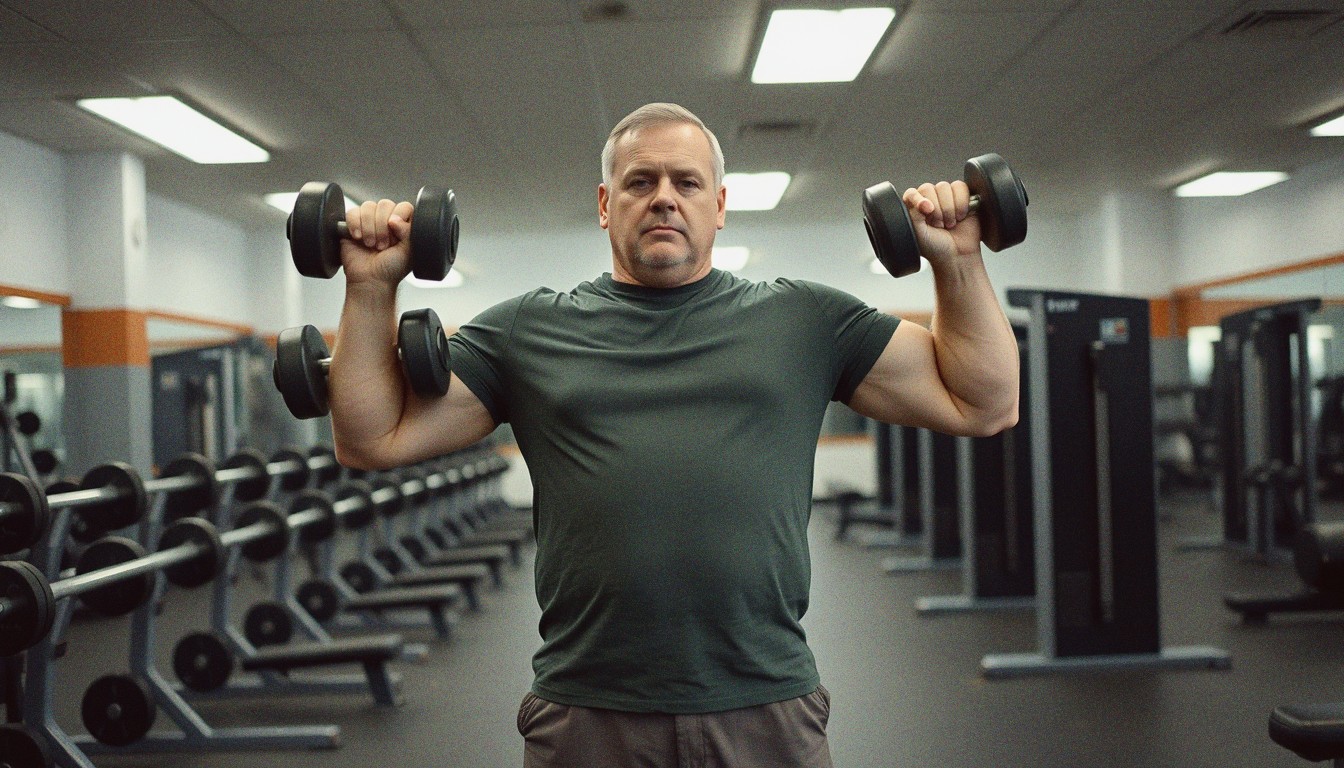
Barbells, dumbbells, and kettlebells give you freedom of movement — you can press, pull, hinge, and squat along a path that suits your body rather than the machine's frame. That freedom is genuinely valuable. But it comes with a cost: you have to supply your own stability.
When you squat with a barbell, your core, hips, ankles, and a supporting cast of smaller muscles all have to coordinate to keep the movement on track. That coordination is itself a training stimulus — and it's also why technique takes time to develop properly. Loading too heavily before those movement patterns are solid is where problems tend to start.
None of this is a knock on free weights. It's the honest picture of what they ask of you.
What machines actually give you
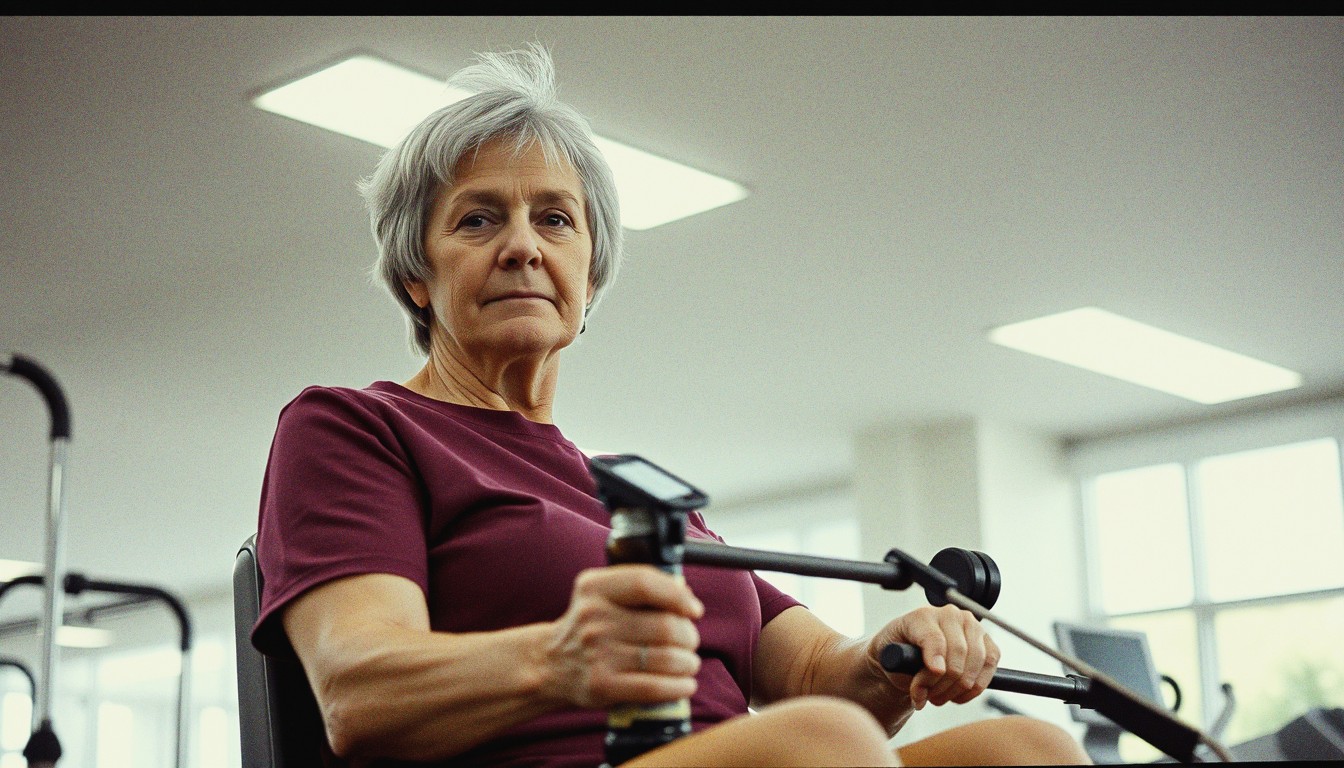
Machines fix your movement path. The leg press keeps you on a set track; the cable pull-down guides the bar to the same position every rep. That guided path makes it far easier to focus on the target muscle without splitting your attention across multiple stability demands at once.
This matters more than most gym content admits. A systematic review and meta-analysis directly comparing machines with free weights found that both produce meaningful gains in muscle size and strength Schwanbeck et al., 2021. The machine is not automatically inferior — it's a different tool with different trade-offs.
Isolation machines also earn their place for specific goals. Research on gluteus maximus activation across common strength exercises shows that different movements recruit the same muscle in very different ways Neto et al., 2020 — which is the practical argument for using a variety of equipment, rather than defaulting to one type and ignoring the rest.
Starting on machines isn't soft — it's smart
Gym culture has a tendency to treat machines as training wheels you're supposed to grow out of. That's wrong. For someone building their resistance training base, machines offer a lower barrier to loading safely while you develop technique in parallel.
If you're still learning how a Romanian deadlift is supposed to feel in your hamstrings, a seated leg curl can help you find that sensation without managing balance and bar path at the same time. Once you've got it, you take it to the free-weight version. That's not a shortcut — that's sensible programming.
Many experienced lifters use machines throughout their training lives as a deliberate choice, not a fallback. There's no point at which you're expected to graduate off the leg press.
Safety: matching the tool to the moment
There are situations where a machine's fixed path is simply the smarter call:
- High fatigue — later in a session, when stability starts to slip, a machine keeps load manageable without technique breakdown
- Returning after a break — easing back in after illness or time off, when movement confidence needs rebuilding
- Learning a new pattern — using a machine to feel a movement before introducing the stability demands of the free-weight version
- Training without a spotter — heavy pressing alone on a barbell is a very different risk calculation to a chest press machine
None of these are signs of avoiding real training. They're signs of thinking about risk sensibly.
The false choice most gym content doesn't admit
Here's what most of the debate misses: it's a false choice. A mixed approach — compound free-weight movements paired with machine isolation work — is how a large proportion of experienced lifters actually train. Not because they can't commit to a philosophy, but because they're using the right tool for each job in the session.
Barbell rows build pulling strength and coordination across a full range. A cable row at the end of back day lets you keep hitting the lats when your grip and lower back are already cooked. Both belong. The either/or framing is the actual mistake.
How to use this in the gym
Here's a simple framework to blend both in your next session:
- Lead with a compound free-weight lift while you're fresh — a squat, a deadlift, a dumbbell press, a row
- Follow with machine work to isolate specific muscles without the additional stability demand
- Use machines to finish — higher-rep sets on a machine at the end of a workout are low-risk and effective
- Take the induction — if the free-weight area still feels unfamiliar, a SmartGyms induction will walk you through both sides of the floor with a real person
A quick example for leg day:
- Leg press × 3 sets (build load confidence, dial in depth)
- Dumbbell Romanian deadlift × 3 sets (learn the hinge pattern with a manageable load)
- Leg extension × 2 sets (isolate the quads)
- Leg curl × 2 sets (hamstring finish)
The one principle that matters more than either
Whether you're on the barbell or the leg press, the principle that drives results is the same: progressive overload. Adding load, reps, or difficulty over time — week on week, month on month — is what forces your body to adapt. Equipment preference comes a distant second.
A consistent programme on machines will build more strength than an inconsistent one on free weights. Neither piece of kit is magic. Both work when you show up and push progressively.
When to get professional advice
If you're new to resistance training, a session with a qualified personal trainer is a worthwhile investment to get your free-weight technique checked early — small movement faults can compound quickly as load increases. If you're returning to the gym after injury, or if any exercise causes sharp or persistent pain, stop that movement and get it assessed before continuing. A SmartGyms induction is a good starting point if you're not sure where to begin on the floor.
---
Not sure where to start on the gym floor? Book a SmartGyms induction and we'll walk you through free weights and machines alike — so you can train with confidence on either side of the room.
---
This article is general information, not medical advice. If you have a health condition or are new to exercise, check in with a qualified professional before making big changes.
If you're training around pain or a current injury, get it assessed by a physiotherapist or GP before pushing on.