Training
Going Deeper: Why the Bottom of Your Rep Does More for Your Gains Than the Weight on the Bar
7 July 2026
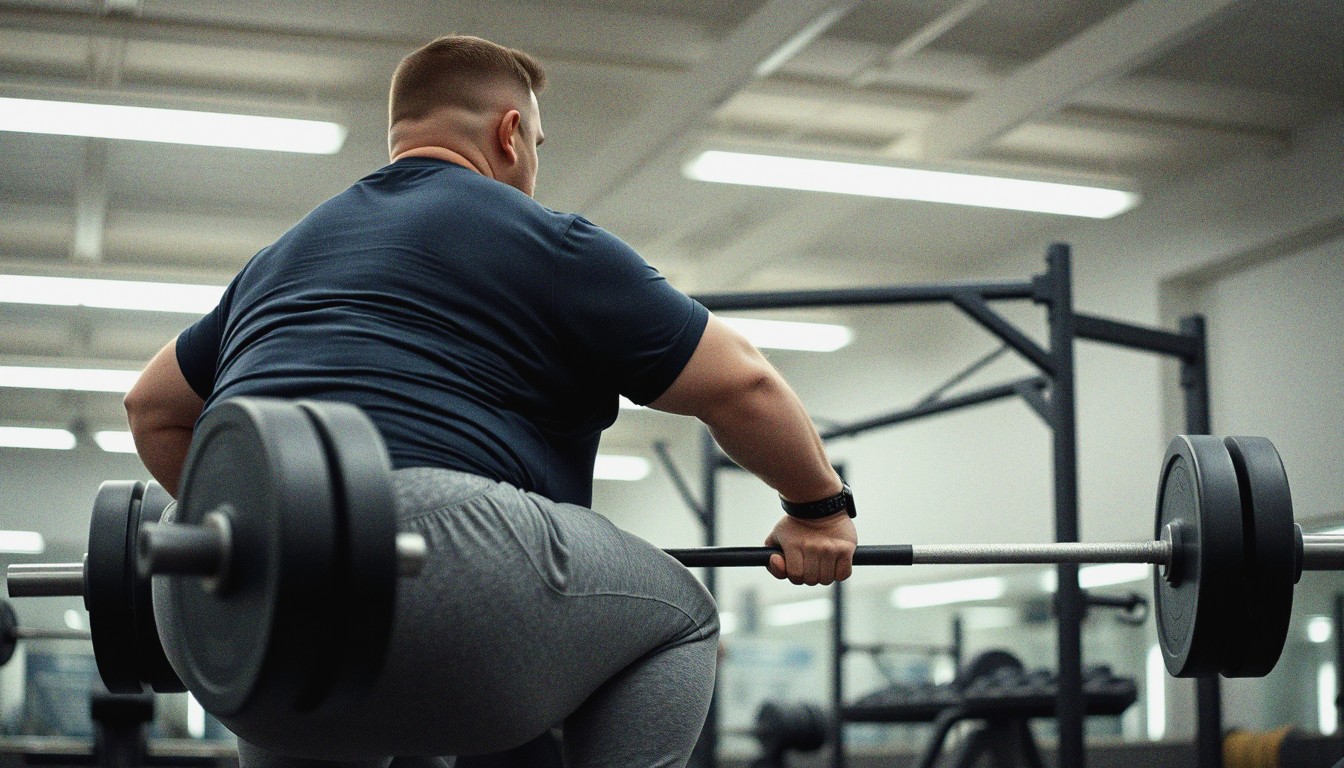
You load the bar, descend most of the way down, and rack it feeling like you've worked hard — but your hip crease never passed your knees and your hamstrings barely stretched. That gap between where your reps stop and where the muscle actually grows is quietly limiting your results, no matter how much is on the bar.
Full range of motion isn't just a beginner's lesson. For intermediate gym-goers who've already built a solid base, it's one of the most underused tools for pushing past a plateau — without adding a single kilogram to the bar or spending an extra minute training.
The quarter-squat everyone does — and why it quietly limits your results
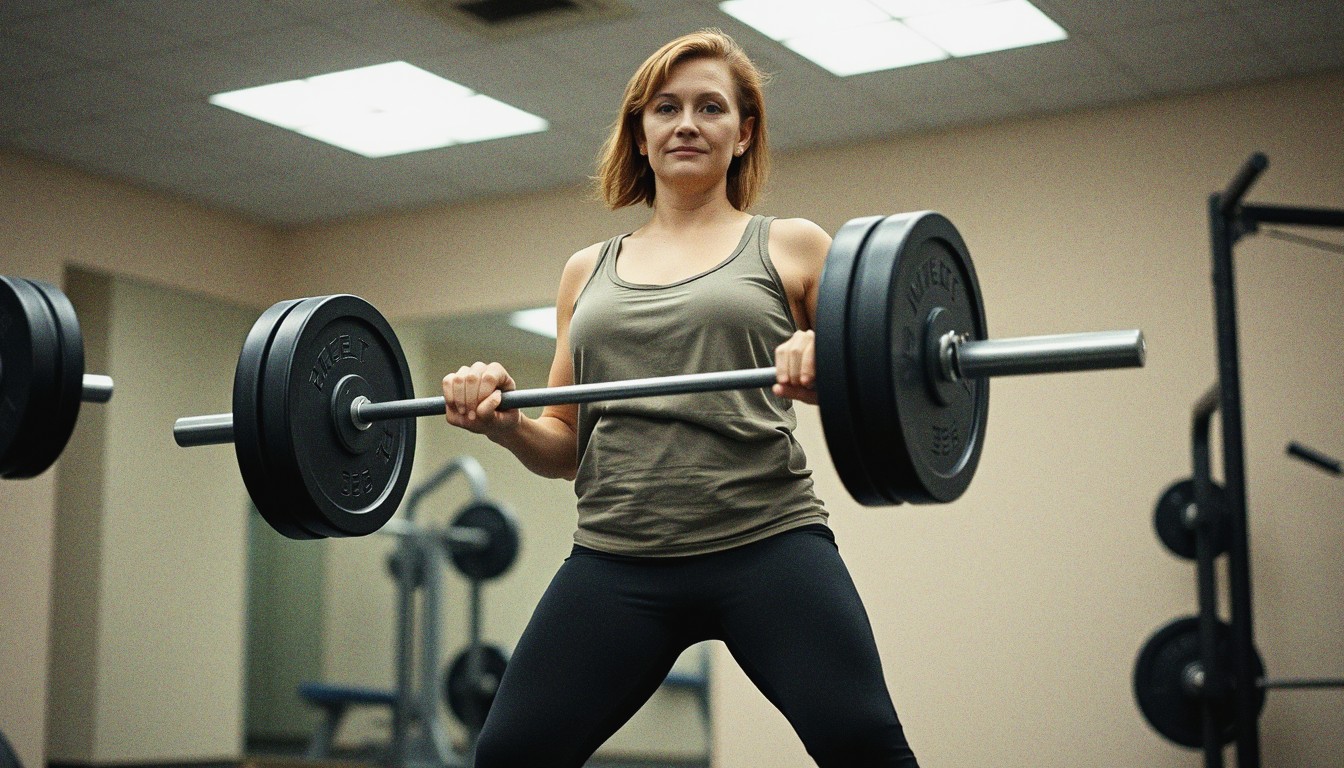
Everyone does it at some point. The bar feels genuinely challenging at three-quarters depth, the reps look solid in the mirror, and nobody says anything. But if you've been training for six months to a year and your progress has flattened out, shallow range of motion is one of the first things worth reviewing.
The honest version of a squat, an RDL, or a curl has a stretched position at the bottom that most people shortchange. That stretched position, it turns out, is doing a lot of the important work.
What 'training at length' actually means
Every muscle has two ends of its range: fully contracted (short) and fully stretched (long). Training at length means making sure the most demanding part of your rep happens at or near the lengthened position, rather than at mid-range or at the top where the muscle is already shortening.
Take a Romanian deadlift. If you stop the bar at shin height, your hamstrings never fully lengthen under load. You're completing the easier half of the movement — twice — and leaving the productive half behind.
The mechano-biological principle — without the lecture
Muscle fibres contain mechanosensors that detect mechanical stress and kick off the repair-and-grow response. What recent research suggests is that these sensors respond particularly strongly when the muscle is stretched while under load — not just when it's working hard in a contracted position.
A Stretch-Mediated Hypertrophy Narrative Review summarises the evidence that training muscles at longer lengths tends to produce a greater growth stimulus compared to equivalent loading at shorter or mid-range positions. This isn't about trying harder — it's about where in the range the muscle is being challenged. The bottom of your squat, the lowered position of your curl, the stretched end of your RDL: these are where a meaningful part of the growth signal lives.
Where the research lands on partial vs full range
Range of motion functions as a genuine training variable in its own right — not just a style preference or a tick-box for form videos. A systematic review on effects of range of motion on muscle development during resistance training found that greater range of motion tends to produce superior hypertrophic outcomes across exercises and training populations.
More recent meta-analytic evidence on whether muscle length influences regional hypertrophy supports the view that the portion of the muscle loaded at its longest position develops preferentially. Shallow training doesn't just produce less total growth — it can produce incomplete development even in experienced lifters who think they've ticked all the boxes.
The exercises where going deeper pays off most
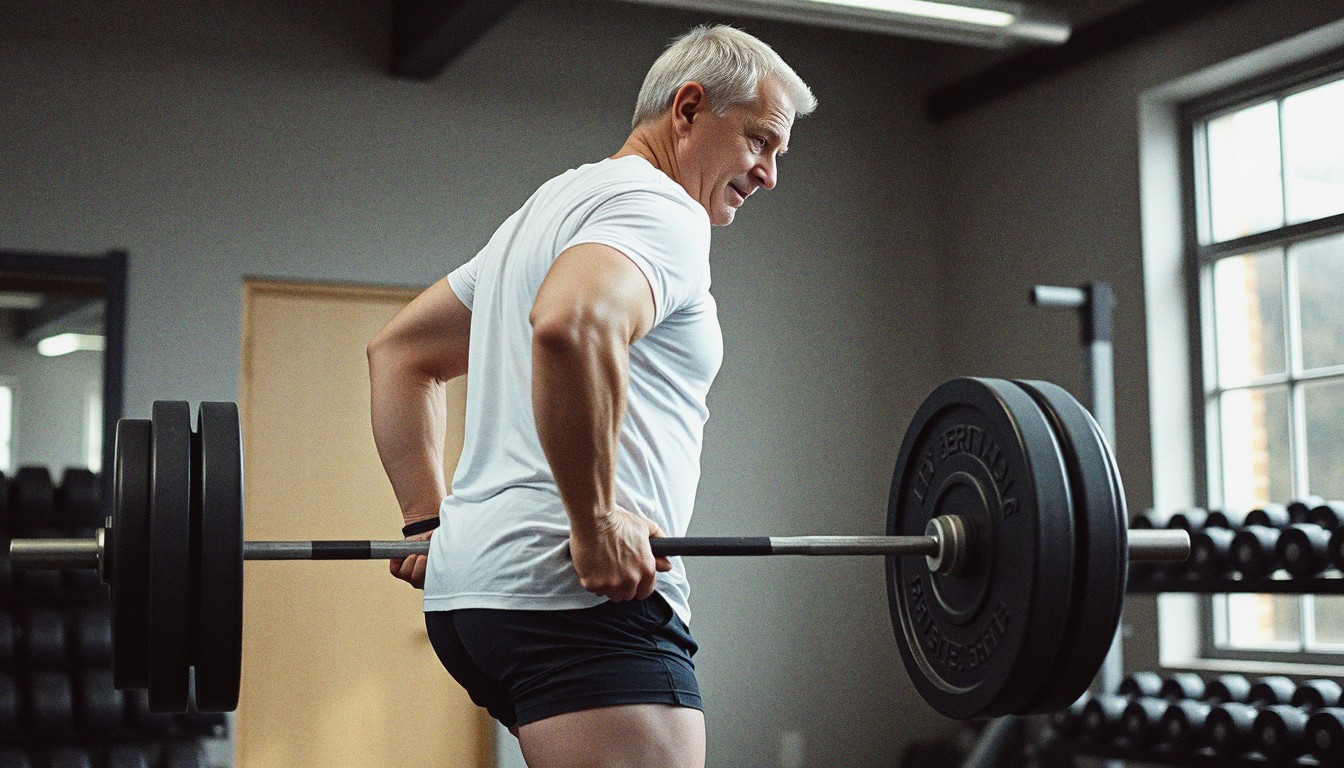
Deep squats. A systematic review of gluteus maximus activation across common hypertrophy exercises identified squat depth as a key driver of glute recruitment — greater depth produces greater activation. Quarter squats leave a significant portion of that stimulus untapped, regardless of how much is on the bar.
Romanian deadlifts. Let the bar travel until you feel a genuine pull in the back of the thigh before reversing. That's the position you want to load. Stopping early means the hamstrings never reach their most productive range.
Deficit deadlifts. Standing on a 3–5 cm plate extends your range at the start of the pull, loading the glutes and hamstrings at an even longer length. Worth cycling in once you're comfortable with conventional pulls.
Lengthened curls. The overhead cable curl keeps the bicep under load at its longest — compare that to a preacher curl where the top of the movement removes tension entirely. This is why overhead curls have been picking up attention in training circles lately; the position is mechanically more demanding exactly where it matters.
It's also worth knowing that the range of motion available varies meaningfully between machines and free weights, so equipment choice genuinely affects whether you're hitting that lengthened position on a given exercise.
How to use this in the gym
These are the physical cues that actually work — not vague "go lower" prompts:
- Squat: Hip crease at or below the top of the knee at the bottom of the rep. If mobility is the limiting factor, elevate your heels on a couple of small plates while you build range.
- RDL: Feel a genuine stretch in the back of the thigh before you reverse. Bar should reach mid-shin at minimum. If you feel it mainly in your lower back, focus on hinging from the hip rather than rounding forward.
- Curl (dumbbell or cable): At the bottom of the rep, forearm past vertical — arm slightly behind your body if using an overhead cable. A brief pause here stops the muscle bouncing out of the stretched position.
- Deficit deadlift: Stand on a step or plates and reduce your working load by 15–20% while you adapt to the extended range.
A three-week depth progression:
1. Week 1: Drop the weight 10–15% and focus purely on hitting full depth every rep. Notice where the muscle feels it most. 2. Week 2: Build back in 5% increments, keeping the new depth non-negotiable. 3. Week 3: Match your previous load with the new depth locked in. This is where the stimulus becomes noticeably different from what you were doing before.
Drop the weight to earn the depth
This is the part that stings slightly — but it's accurate. Using a load that forces partial range isn't a heavier stimulus. It's often a weaker stimulus applied to a smaller portion of the muscle. Dropping the bar by 10% to achieve genuine depth means working harder through the most productive part of the movement. The ego might need a moment; the muscle won't complain.
When to get professional advice
If you have an existing knee, hip, or lower back issue, sharp or pinching pain at the bottom of a deep squat or deadlift is a signal to stop — not push through. Depth gains built on top of a compensated movement pattern tend to make things worse, not better. A physiotherapist can assess whether a mobility restriction, muscle imbalance, or old injury is limiting your range and point you towards a route to depth that your body can actually support.
Your depth challenge this week
Pick one lift next session — squat, curl, or RDL. Drop the weight 10% and go deeper on every rep. At the bottom, pause for a beat and notice where the muscle is under the most tension. That feeling — the stretch under load — is the signal you've been cutting short. Do it for three sessions, then build the weight back up with the new range as your baseline.
Small change. Noticeably different stimulus. Same time in the gym.
This article is general information, not medical advice. If you have a health condition or are new to exercise, check in with a qualified professional before making big changes.
If you're training around pain or a current injury, get it assessed by a physiotherapist or GP before pushing on.