Training
3pm Brain Dead? Here's Whether a Workout or a Coffee Actually Fixes It Faster
21 June 2026
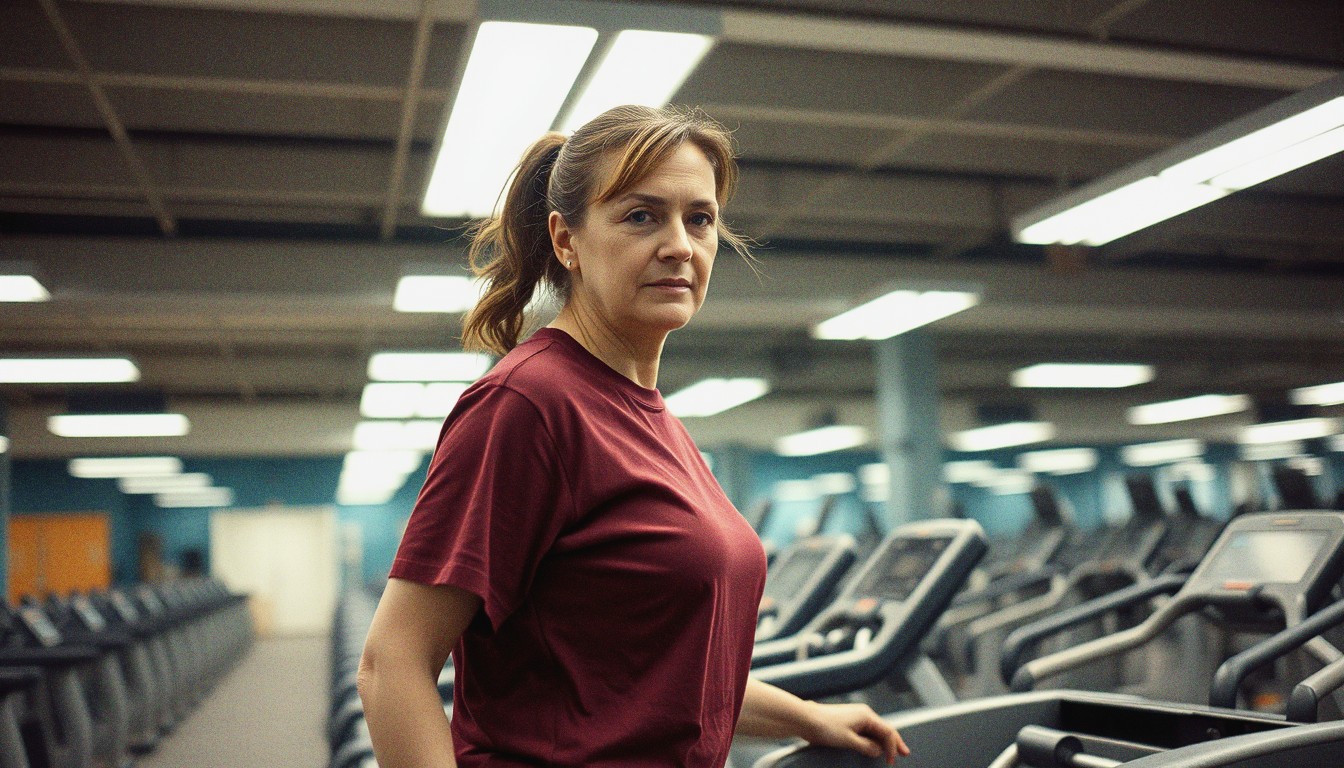
You know that 3pm moment when your screen starts to blur and you've been re-reading the same email for the third time. Both coffee and a short gym session genuinely cut through that fog — but they work through different pathways, and one tends to leave you sharper for longer.
So before you head to the coffee machine, here's what you're actually choosing between.
What's Actually Happening at 3pm
The afternoon wall isn't laziness — it's a real physiological state. After several hours of sustained concentration, your brain accumulates fatigue signals that make decision-making feel effortful, attention difficult to sustain, and motivation drop off the edge of a cliff. This is mental fatigue: a genuine shift in how your nervous system is functioning, not just you being dramatic.
Both caffeine and exercise can shift it. The difference is in how long the shift lasts — and whether you're borrowing against tomorrow or actually recovering.
What Caffeine Does to a Tired Brain
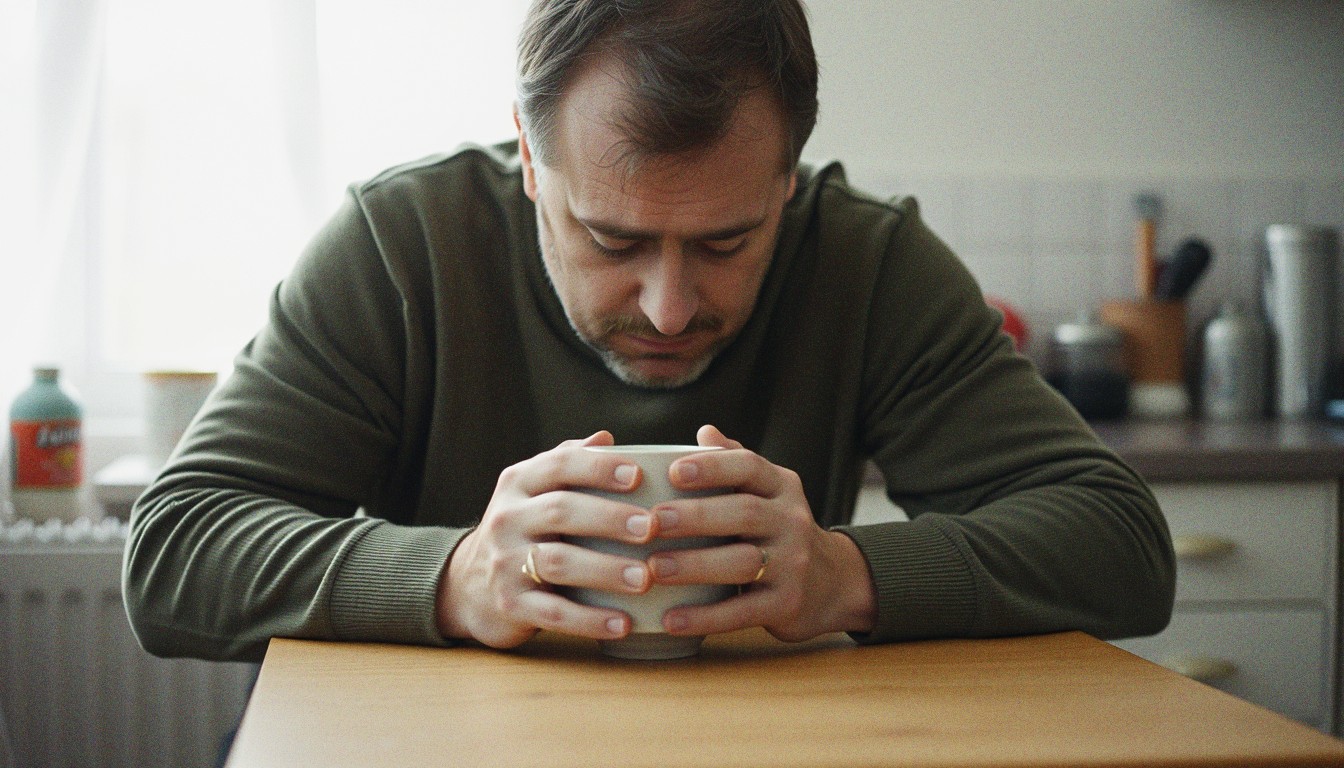
Coffee works partly because caffeine blocks adenosine receptors in the brain. Adenosine is a chemical that accumulates throughout the day and progressively signals tiredness — caffeine jams those signals, which is why a double espresso at 3pm makes the world feel temporarily manageable again. The relief is real and well-documented in the research on caffeine and exercise performance ISSN, 2021.
The catch is that caffeine doesn't clear the underlying fatigue — it masks it. Once the effect wears off, the tiredness tends to return. If you've chased alertness with coffee into the early evening and then found yourself staring at the ceiling at midnight, you already know how that plays out.
What a Workout Does Instead
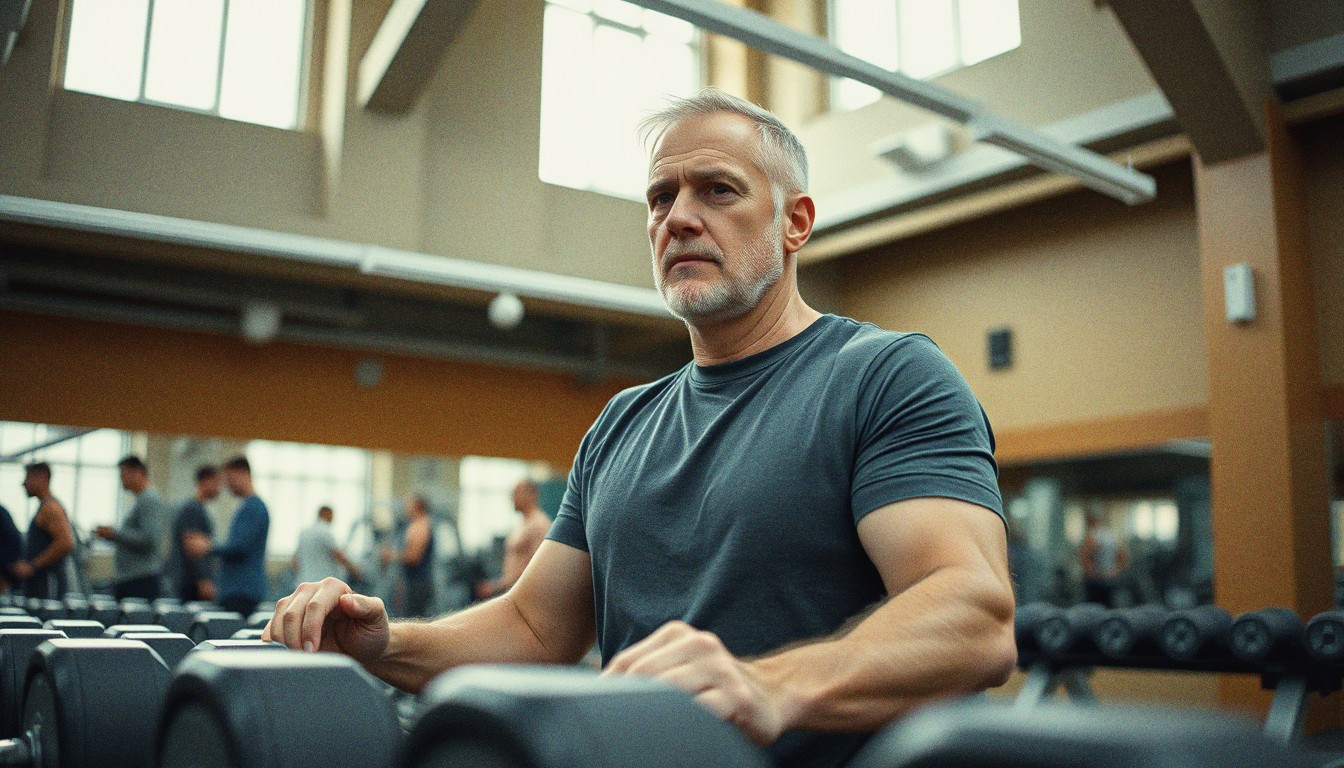
A moderate-intensity aerobic session — a run, a cycle, or a rowing machine effort at a pace where you can still manage a few words — hits mental fatigue through an entirely different mechanism. It triggers shifts in arousal and brain chemistry that can restore focus and lift mood without simply masking the underlying state.
Research directly comparing the effects of caffeine, acute aerobic exercise, and a placebo in mentally fatigued participants found that both approaches reduced feelings of mental fatigue. Crucially, the improvements in mental clarity seen in the exercise condition tended to last longer than those produced by caffeine Díaz-Lara et al., 2025.
That distinction matters in practice. When you walk out of the gym at half five, you tend to feel genuinely clearer — not just temporarily propped up. The evening doesn't carry the cost that a caffeine crash does.
The Afternoon Session Is a Double Win
Going to the gym when you're cognitively exhausted is one of the most efficient decisions you can make at the end of a desk day. It feels counterintuitive — your instinct is to protect whatever energy you have left. But mental fatigue and physical fatigue aren't the same thing.
After a long day at a screen, your brain is flagging. Your legs, lungs, and cardiovascular system? Largely unaffected. The capacity to run or cycle for 25 minutes is still there, even when your brain is convinced otherwise. And the evidence suggests you won't leave more depleted — you'll leave sharper.
How to Use This in the Gym
Keep the session moderate
You're not chasing a PB here. Moderate-intensity cardio is the format — something you can sustain without gasping. The conversation test is a useful guide: if you can say a few words but wouldn't want to hold a full chat, you're in the right zone. Twenty to twenty-five minutes at that effort is enough to shift your mental state. More is fine if you have the time, but it's not necessary to make the session count.
Think about coffee timing
A coffee on the way to the gym is a legitimate strategy. Caffeine timed before your session can kick in mid-workout, stacking the alertness boost on top of the exercise effect — you get both working at once Grgic et al., 2024. Just account for where you already are in the day. If it's been a heavy-caffeine day and you're sensitive, a late-afternoon cup may cost you more in sleep than it gives you in focus.
Skip the heroics
When your brain's already foggy, it's not the day for a punishing HIIT circuit to prove a point. A brisk run or a steady 20-minute cycle will do more for how you feel walking out than a short, brutal session you only half-commit to. Low drama, moderate effort — that's the brief.
Have a default session ready
When mental energy is already low, having to decide what to do the moment you walk through the door creates friction you don't need. Settle on a go-to format now: if it's a 3pm slump day, you run for 20 minutes at a steady effort, or you take the bike for 25. No decisions needed on the gym floor. That removes the last negotiation before you start.
When Coffee Alone Has to Do It
Some days you genuinely can't train — a deadline, travel, or you've already trained earlier. On those days, coffee does what it does: it buys you a window. Use it. If you can get outside for a brisk walk in the fresh air on top of that, even better — it's not a gym session, but it's not nothing.
When to Get Professional Advice
If your afternoon energy dips are severe, persistent, or come alongside broader symptoms — low mood that won't lift, consistently disrupted sleep, or difficulty concentrating over weeks rather than days — speak to your GP. These patterns can point to something that neither a workout nor a strong coffee will resolve on its own.
---
Next time your concentration nosedives at 3pm, try the gym before you reach for your third coffee — book your afternoon session on SmartGyms and see how you feel walking out.
This article is general information, not medical advice. If you have a health condition or are new to exercise, check in with a qualified professional before making big changes.