Recovery
Your Last Coffee of the Day Is Quietly Sabotaging Your Recovery — Here's the Cut-Off That Actually Matters
22 June 2026

It's 4pm, your inbox is still full, and tomorrow's session is already in the diary. You reach for another coffee — obviously. The problem is, that cup could still be running laps around your nervous system at midnight, quietly trimming the sleep window where your last session turns into actual fitness gains.
The 4pm Coffee Trap
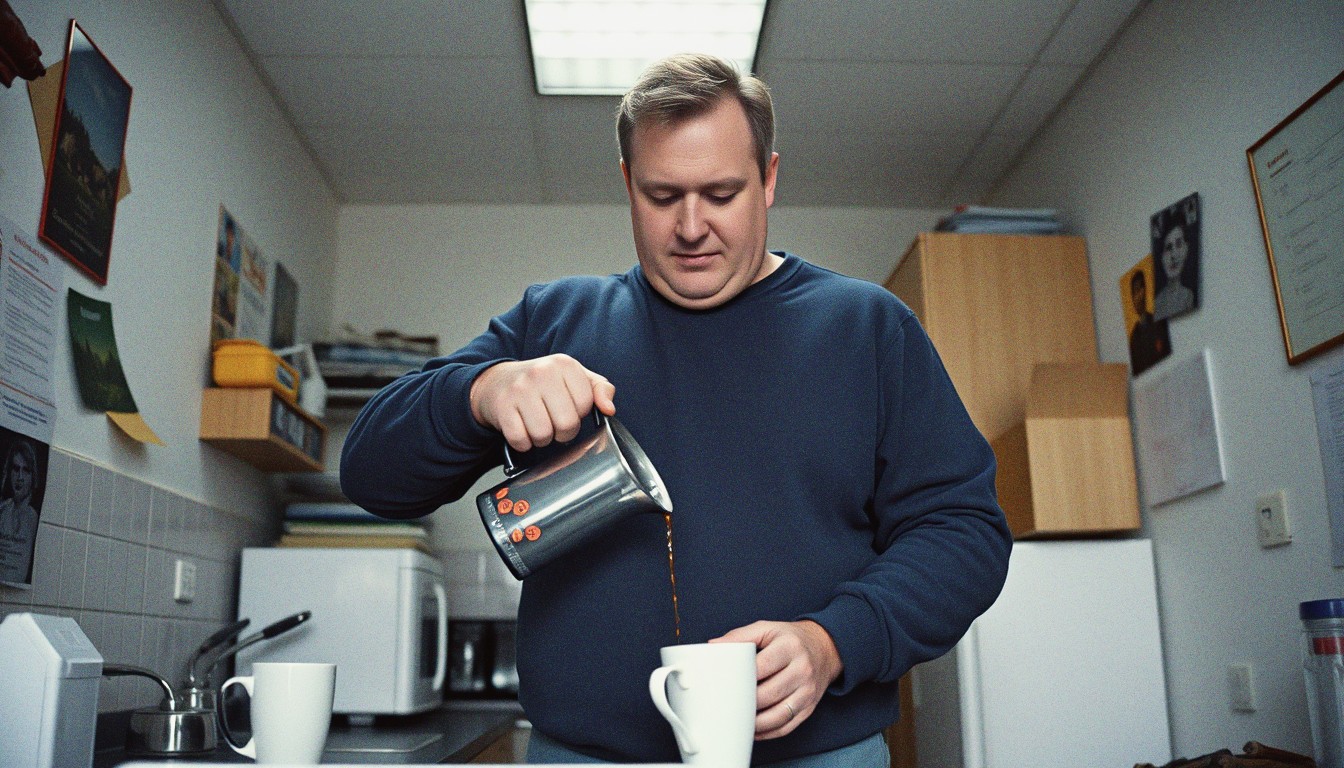
Most people who train consistently treat caffeine like a light switch. You press it, it works, you move on. What's less obvious is that caffeine doesn't switch off when the buzz fades — it lingers, and the timing of your last cup has a direct line to how well you recover overnight.
The scenario plays out in gyms up and down the country every week: afternoon coffee, feel fine by evening, lie awake at midnight with a restless mind, drag yourself to a 6am session feeling like you've already done a shift. It's not random. There's a mechanism behind it.
What Caffeine Is Still Doing at 10pm
Caffeine has a half-life of roughly five to six hours in most people — meaning half the caffeine from a 4pm coffee is still circulating at around 9–10pm. By a typical UK bedtime, your body hasn't cleared it. You might not feel wired, but that doesn't mean the caffeine has finished with you.
Research backs this up clearly. A systematic review and meta-analysis found that caffeine reliably delays sleep onset and reduces total sleep time — the closer to bedtime the dose, the more pronounced the effect Caffeine & Sleep Review, 2023. The feeling that you've "come down" from an afternoon coffee doesn't mean your body has caught up.
It's Not Just About Falling Asleep
Here's what catches a lot of gym-goers off guard. If you can fall asleep after a late coffee, you might assume you're one of the lucky ones it doesn't affect. That's probably not the full picture.
Caffeine disrupts sleep architecture even when you think you slept fine. Your sleep can be lighter, more fragmented, and shorter than it looks on the clock — and you won't necessarily know. The Caffeine & Sleep Review, 2023 found that caffeine cuts into sleep efficiency and suppresses the deeper sleep stages that carry the most recovery value. You can notch eight hours and still wake up under-recovered.
This is what makes it a quiet saboteur. Caffeine can even blunt your perception of how poorly you slept — so the damage is invisible until your performance starts to plateau or your motivation nosedives.
Why Gym-Goers Pay a Bigger Price
If all you needed sleep for was feeling human, a slightly disrupted night might barely register. But you train — which means the overnight window is actively doing something for you.
Muscle repair, adaptation, and the consolidation of movement patterns you drilled in your session all unfold while you sleep. Shortening or fragmenting that window doesn't just make you groggy; it delays how efficiently you adapt to training stress. Understanding the underlying process is useful here: sleep architecture — the sequencing of lighter and deeper stages across the night — is foundational to physical recovery, and disrupting it has real downstream costs Sleep Physiology Review, 2023.
For what it's worth, caffeine absolutely earns its place in a training toolkit. It's one of the best-evidenced performance tools available, with solid data on improved output, focus, and endurance Caffeine as Ergogenic Aid, 2025. The point isn't to ditch it — it's to time it so it's done its job well before your sleep window opens.
The Cut-Off Time That Actually Works
For most people with a 10–11pm bedtime, stopping caffeine by 2pm gives the body enough clearance time to wind down naturally by the evening.
That feels early. It probably is earlier than you're used to. But reframe it: if your session is at 6am or 7am tomorrow, the quality of the sleep between now and that alarm is doing far more for your performance than the lift from a mid-afternoon espresso. A 2pm cut-off is a practical rule of thumb — not a law — and it's the clearest single change most regular gym-goers can make to their recovery this week.
This applies to caffeinated pre-workout too, not just your coffee cup. If you're having a scoop at 3pm for an evening session, the same logic holds.
Your Body Might Work Differently
Caffeine clearance isn't uniform. Genetics play a significant role — variations in the enzyme that metabolises caffeine mean some people process it much more slowly than the average. Age also matters, with clearance generally slowing as you get older. Certain medications can affect it too.
In practice: if you're already stopping at 3pm and still struggling to switch off, try pulling the cut-off back to 1pm or midday. Track how your sleep feels over a fortnight. If you're waking rested before your alarm with some regularity, you've found your window.
What to Reach for Instead

The post-lunch energy dip is real, and "just drink water" isn't always satisfying advice. But there are options that won't cost you overnight:
- A short walk outside — even 10 minutes resets your alertness without stimulants, especially if you can get daylight
- A large glass of water — mild dehydration is a surprisingly common cause of that foggy early-afternoon slump
- Decaf coffee — if it's the ritual you're after as much as the hit, a good decaf is a legitimate swap
- A small protein-led snack — if your energy is genuinely crashing, you might simply be under-fuelled from lunch
None of these hit the same as a real espresso in the moment. But the next morning, when your session warms up cleanly and your first working set feels like something, you'll know where the upgrade came from.
How to Use This in the Gym
Here's what to actually do this week — concrete steps, no overhaul required:
- Check what time your last coffee was today. If it was after 2pm, that's your baseline.
- Move it back by 30 minutes tomorrow. One small shift, not a lifestyle reset.
- Notice your next morning session. How did the warm-up feel? How sharp was your first working set? Did you need to fight yourself to get going?
- Keep a loose note for two weeks. Sleep quality and training sharpness rarely flip overnight, but the trend over a fortnight is usually clear.
- If you train in the evening, think carefully about when you're taking pre-workout caffeine — that 4pm scoop before a 6pm session may be the same problem in different packaging.
If the afternoon drag persists even after tidying up your caffeine timing, it's worth looking at your total sleep duration, hydration across the day, and whether your current training load is genuinely recoverable — these all interact.
When to Get Professional Advice
If sleep difficulties are persistent regardless of caffeine timing, or if fatigue is significantly affecting your daily life and training capacity, it's worth speaking to your GP. Sleep issues can have a range of causes and are worth properly assessing. If you're taking medication that may interact with caffeine, check with your pharmacist before making significant changes to your intake.
---
This article is general information, not medical advice. If you have a health condition or are new to exercise, check in with a qualified professional before making big changes.
Supplements aren't a shortcut and aren't right for everyone. Speak to a GP, pharmacist or registered dietitian before adding any supplement, especially if you take medication.