Nutrition
Fed and Ready: What to Actually Eat Before the Gym (and When)
23 June 2026

You've been there: it's 5:15pm, your session starts at 5:30, and you're standing in the kitchen genuinely unsure whether to grab something or just go. Half the people in your gym train fasted and won't hear otherwise. The other half have been second-guessing their pre-session meal since lunch and still feel flat by rep three. Getting your pre-gym eating right is one of the simplest performance upgrades you can make this week — and it takes far less effort than either of those habits suggests.
The Two Pre-Gym Camps — and Why Both Are Overthinking It
Most gym-goers land in one of two places. There's the fasted trainer — early alarm, black coffee, sheer conviction — and to be fair, for shorter or lower-intensity sessions, it often holds up. Then there's the person who's been tracking macros and overthinking a wrap since midday, still unsure whether they've left enough time before their evening session. Both camps exist on every gym floor. And both, in their own way, are making this harder than it needs to be. Pre-gym nutrition isn't about nailing a precise window or hitting perfect numbers. It's about showing up with enough fuel to actually do the work.
Why Fuel Changes Your Session
Think back to the last time you trained when you were properly running low — not just a bit peckish, but genuinely fading by the middle of the session. The bar felt heavier. Focus dropped before you were halfway through. You started negotiating with yourself about whether those last few sets were really necessary. That's not a willpower problem. That's what happens when your body doesn't have enough available energy when things get hard.
Having fuel on board won't guarantee a brilliant session. But not having it offers a reliable route to a worse one — especially for anything heavy, high-intensity, or longer than 45 minutes. Short, lower-intensity sessions are more forgiving. The harder the work, the more available energy tends to matter.
The 2–3 Hour Window: What a Proper Pre-Gym Meal Looks Like
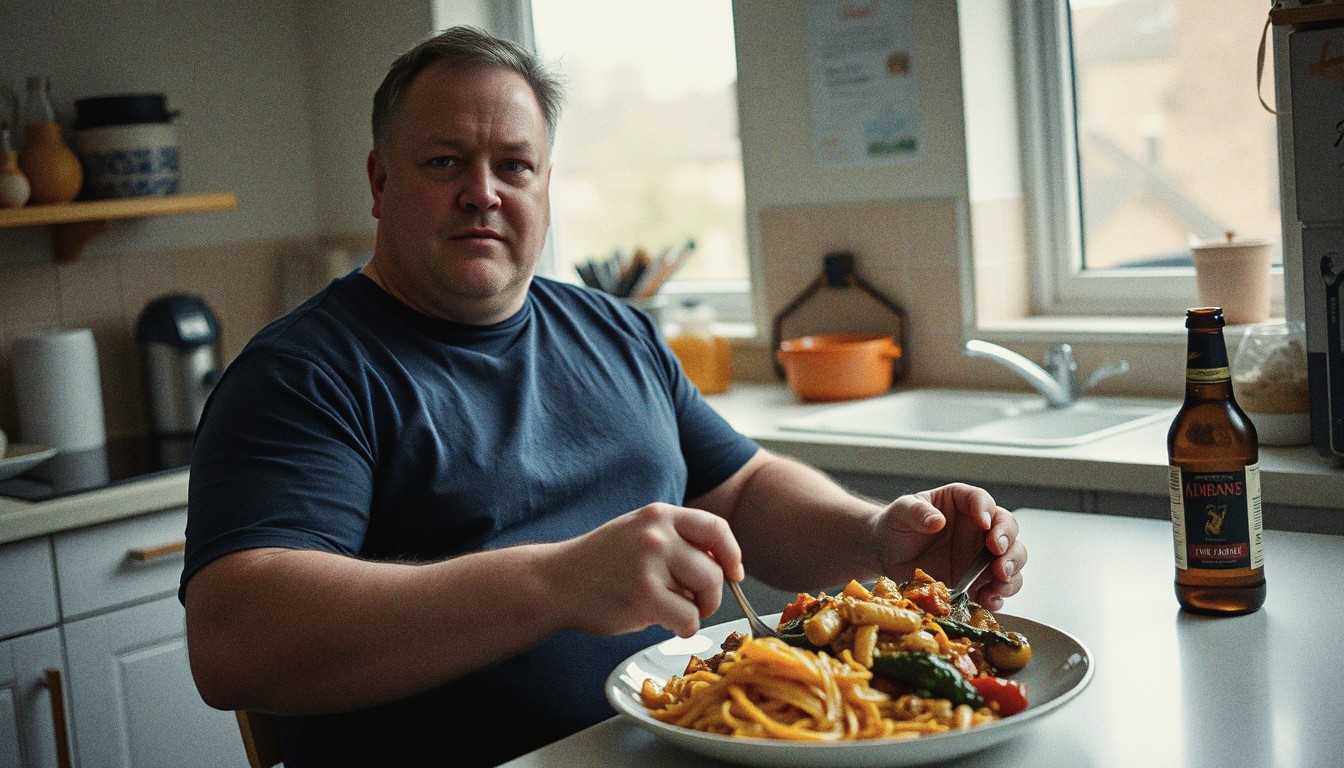
If you've got a couple of hours before you train, a mixed meal of carbohydrates and protein is the most reliable approach for most gym-goers. The ISSN Position Stand, 2017 on nutrient timing identifies a pre-exercise carbohydrate and protein combination as a well-supported strategy for training at moderate to high intensity — and it's the kind of routine consistent gym-goers find they can actually stick to.
In practice, this might look like:
- Jacket potato with tuna or cottage cheese — filling, balanced, easy to put together
- Rice with chicken, eggs, or tofu — the reliable classic
- Wholegrain wrap with turkey and salad — a lighter option that still covers the bases
- Pasta with a protein source — works well for evening sessions after a long afternoon
- Porridge with Greek yoghurt — if you're training late morning
A comfortable portion that leaves you fuelled without feeling stuffed is exactly right. If it was a particularly large meal, lean toward the upper end of that window before heading in.
Training Sooner? Keep It Light and Carb-Forward

Sometimes two hours just isn't available. If your session is within an hour of eating, the goal shifts: quick-access energy that won't sit heavily in your stomach mid-set. The ISSN, 2017 nutrient timing position stand supports smaller, carbohydrate-led options for shorter pre-exercise windows — easier to digest and far less likely to cause gut discomfort when you're working hard.
Good options in this window:
- A banana — fast-digesting carbs, zero prep, consistently reliable
- Rice cakes with a thin spread of nut butter
- Low-fat yoghurt with a small amount of fruit
- A small bowl of porridge if you've got closer to 45 minutes
This isn't the moment for a full meal. Something light and carb-forward beats an empty stomach — and it far beats a heavy meal sitting through your warm-up.
How to Use This in the Gym: Pick Your Scenario
Three questions that narrow it down quickly:
- Morning (6–8am): A solid dinner the previous evening does most of the work. If you have 30–45 minutes before heading out, a banana or small bowl of porridge is enough. Training straight from bed is fine for shorter, lower-intensity sessions.
- Lunchtime: A moderate breakfast 2–3 hours before usually covers it. Avoid going too heavy — you'll feel it once you're warming up.
- Evening (5–7pm): Lunch is your main pre-gym meal. A light snack around 4pm — banana, rice cake, low-fat yoghurt — bridges the gap without loading you up.
- 3+ hours ago: have a proper snack or small mixed meal before you go.
- 1–2 hours ago: something light is enough — banana, rice cake, yoghurt.
- Under an hour: go as you are or grab something very small and easily digestible.
- Heavy strength work or HIIT: fuel matters more. Don't skip it.
- Moderate steady-state cardio or a mobility session: a lighter approach or even fasted training is more manageable.
What Tends to Backfire
A few things that reliably cause problems close to a session:
- High-fat meals — fat slows digestion considerably. A burger, a full fry-up, or a heavy cream-based dish an hour before training tends to leave you feeling sluggish well into the session.
- Very high-fibre meals — large portions of beans or lentils, bran-heavy cereals, or a lot of raw veg close to a session can cause bloating and discomfort, especially during high-intensity work.
- Carbonated drinks — sparkling water or fizzy drinks before training cause issues for more people than expected, particularly during core work or anything explosive.
- Skipping fuel for hard sessions — for a short easy run or a stretch session, fine. For an hour of heavy lifting or interval training, going empty tends to catch up with you in the second half.
None of this is about fear — it's just what tends to get in the way when it could easily be avoided.
When to Get Professional Advice
If you're managing a health condition, training around an injury, or have a history of disordered eating, general guidance like this isn't the right starting point. A registered dietitian can build a nutrition approach around your specific situation — particularly if you're training at higher volume or working alongside a medical team.
Consistency Over Perfection
Here's the thing: the perfect pre-gym meal you occasionally manage is less useful than a good-enough routine you actually stick to. If your current habit is grabbing a coffee and hoping for the best before every session, swapping that for a reliable jacket potato and tuna at lunch on training days will almost certainly make a noticeable difference — not because it's nutritionally optimal, but because it's consistent.
Pick one session this week and test the 2–3 hour meal approach. Notice how your energy holds through the session compared to your usual habit. One change, one week — that's the whole brief. Pre-gym nutrition doesn't need to be a project. It just needs to be a habit you can repeat.
---
This article is general information, not medical advice. If you have a health condition or are new to exercise, check in with a qualified professional before making big changes.
Nutrition needs are individual. For a plan tailored to you — especially with a medical condition or a history of disordered eating — see a registered dietitian or nutritionist.