
Recovery
Back-to-Back Gym Days Without the Burnout: Your Recovery Playbook
17 June 2026
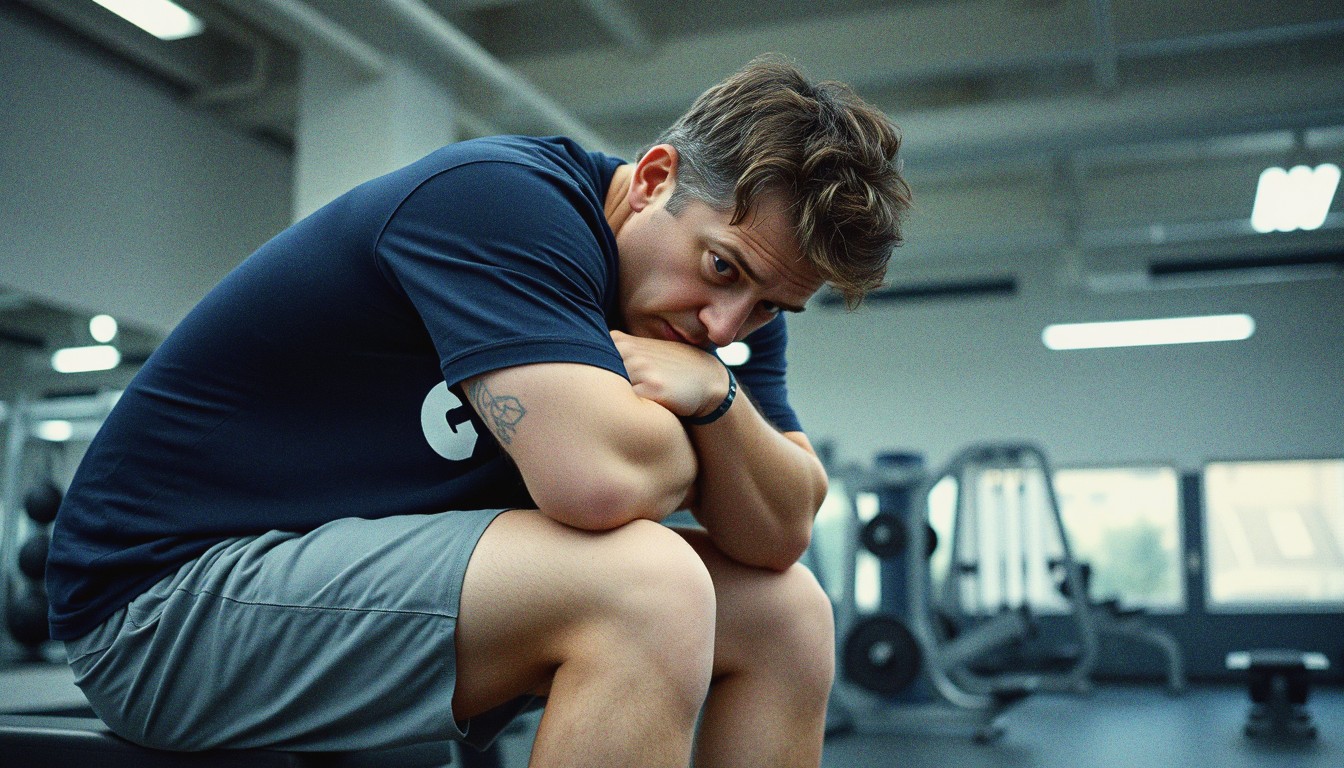
You smash Monday's session, drag yourself in on Tuesday feeling hollow, and immediately wonder if you've already overtrained. You haven't — and with a few targeted habits between sessions, that second day doesn't have to be a write-off.
Why Consecutive Sessions Hit Differently
When you train hard, your muscles sustain micro-damage that triggers repair and adaptation, while your glycogen stores — the carbohydrate fuel sitting in your muscles — get substantially depleted. Given enough time, your body repairs, refuels, and comes back stronger.
Train again the following day and session two starts before that process finishes. Your muscles are mid-repair, fuel reserves are partially empty, and your nervous system is carrying residual fatigue from the day before. Muscle hypertrophy is governed by complex molecular signalling — as research into the cellular regulation of skeletal muscle growth illustrates — and that biology needs both time and nutritional input to run its course. The flat, hollow Tuesday feeling isn't weakness. It's biology you can work with.
Sleep Is the Session You Can't Skip

Nothing between two consecutive training sessions does more for recovery than sleep. During deep sleep, growth hormone is released, muscle tissue is repaired, and the movement patterns you drilled in the gym get consolidated into your nervous system.
If you're training back-to-back, shortchanging sleep undermines what you went to the gym to achieve. Even dropping a little sleep across a tough training week can leave sessions feeling harder than they should.
Practical habits that consistently help:
- Keep the same bedtime on hard training days — consistency matters as much as total hours
- Keep your room cool, dark, and quiet; a lightweight duvet and an open window help if you tend to run warm
- Avoid bright screens in the final half-hour before bed
- Think about when you take pre-workout — caffeine can linger in your system longer than you might expect
Sleep is free, legal, and most gym-goers still short-change it. Between two consecutive sessions, it's your single most effective recovery tool.
Protein Timing on Consecutive Days
This is where a lot of gym-goers leave adaptation on the table. Total daily protein matters — but when you eat it between session one and session two can meaningfully influence how well your muscles rebuild before you train again.
Don't let a long gap open up after finishing session one. Muscle protein synthesis is elevated post-training and primed to use incoming amino acids. Getting a protein-containing meal or snack in within a couple of hours gives your muscles raw materials while the window is open.
How you spread protein across the day matters too. The ISSN Nutrient Timing Position Stand supports distributing protein intake across multiple meals throughout the day to maximise muscle protein synthesis — particularly relevant when your muscles need to adapt across two sessions within 24 hours.
In practice:
- Have a solid protein meal or snack within a couple of hours of finishing session one — chicken and rice, Greek yoghurt, cottage cheese, or a shake if you're time-pressed
- Don't skip protein before session two either — it helps reduce muscle breakdown during training
- Spread intake across three to five meals rather than banking it all at dinner
- Keep your daily total consistent — one well-timed meal helps at the margins but won't compensate for a persistently sparse diet
Active Recovery Beats Doing Nothing
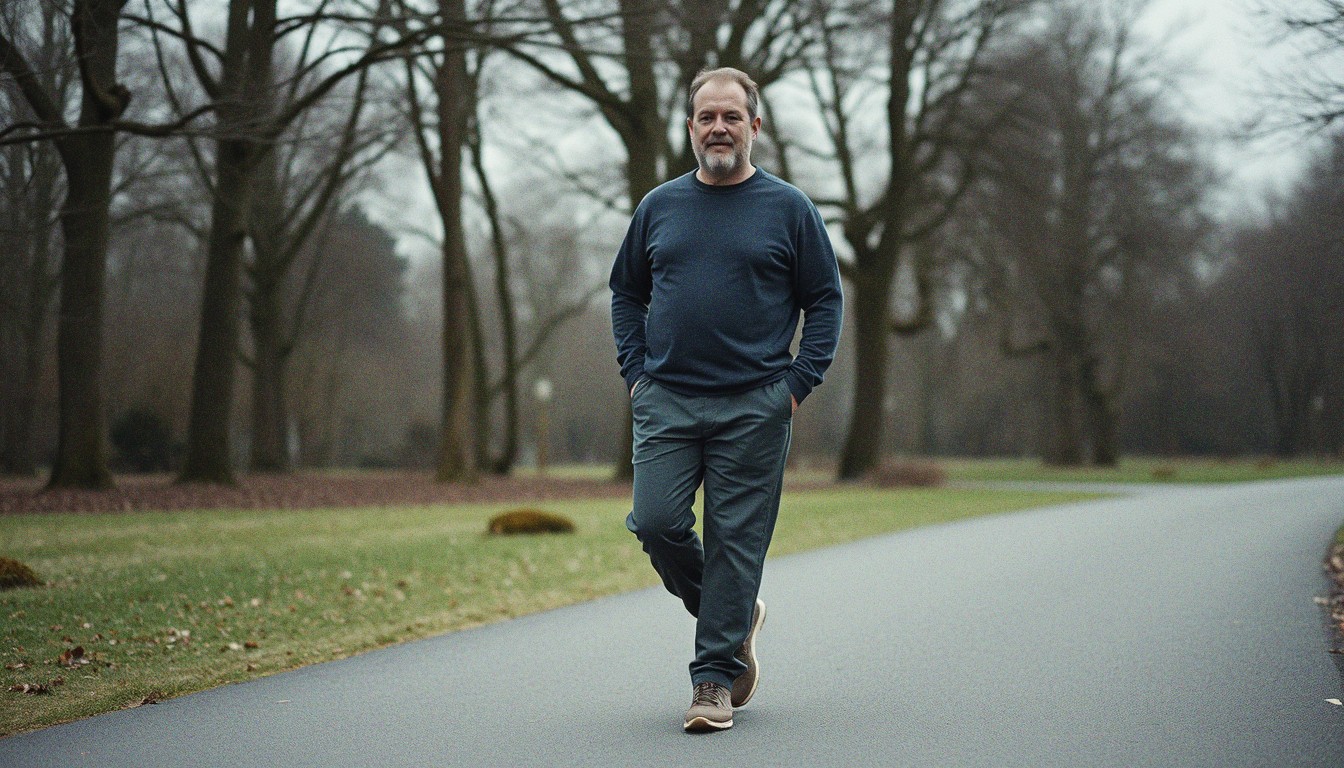
The temptation after a heavy session is to collapse on the sofa. Understandable — but gentle movement between sessions serves you better than complete rest.
Light activity — a 20-minute walk, an easy cycle, or some low-intensity swimming — keeps blood circulating through fatigued muscles without adding meaningful training stress. This can help reduce the soreness you carry into session two. Many regular gym-goers find they feel stiffer at the start of the next session after a fully passive day than after 20 minutes of easy movement.
What works well between consecutive training days:
- A 20-minute walk or easy cycle at an intensity where you could hold a full conversation throughout
- Five to ten minutes of foam rolling over the muscles you loaded hardest the previous day
- Gentle mobility work — hips, thoracic spine, and shoulders benefit from consistent attention
- Avoid anything that significantly raises your heart rate or directly taxes the same muscle groups — that's training, not recovering
How to Use This in the Gym
Here's a four-day blueprint that makes back-to-back training sustainable week after week:
- Monday: Lower body — squats, deadlifts, hip-dominant work
- Tuesday: Upper body — pressing, pulling, shoulder work (different movement pattern, fresh muscle groups)
- Wednesday: Active recovery or full rest
- Thursday: Lower body or full body at moderate intensity
- Friday: Upper body or conditioning
The logic is simple: consecutive days work best when session two targets a different movement pattern. An upper/lower or push/pull split spreads the load so you're not asking the same muscles to perform twice within the same 24-hour window. Five-day versions follow the same principle — just ensure there's a genuinely easy day or full rest somewhere in the block.
Reading the Signs You Need a Deload
Even well-managed back-to-back training accumulates fatigue over time. Clear signals that a lighter week is overdue:
- Two or more consecutive weeks of stalled lifts — not a bad session, but a consistent plateau across your main movements
- Persistent joint ache — muscle soreness fades in a day or two; a joint that won't settle across multiple sessions is a different signal
- Dreading training — not the usual 6pm reluctance that clears once you warm up, but genuine aversion that persists
- Disrupted sleep — accumulated fatigue can worsen sleep quality even when you feel exhausted
A deload means cutting your training volume roughly in half for a week and keeping intensity moderate. You're still in the gym — just not grinding. It's a planned recovery tool, not a setback.
When to Get Professional Advice
If a joint ache persists across multiple sessions or worsens during training, get it assessed by a physiotherapist or GP rather than pushing through. If fatigue, disrupted sleep, or a sustained drop in performance continues for more than a couple of weeks despite adequate rest, that's worth a conversation with a doctor rather than simply stacking another hard week on top.
Try the Blueprint This Week
Hit your protein within a couple of hours of finishing session one, protect your sleep, and swap a passive rest day for 20 minutes of easy movement. Then note how session two actually feels compared to your usual back-to-back days — and log it. That data tells you more about your own recovery than any generic programme will.
This article is general information, not medical advice. If you have a health condition or are new to exercise, check in with a qualified professional before making big changes.
If you're training around pain or a current injury, get it assessed by a physiotherapist or GP before pushing on.
Nutrition needs are individual. For a plan tailored to you — especially with a medical condition or a history of disordered eating — see a registered dietitian or nutritionist.