Training
BOSU Ball or Flat Bench? What Unstable Surfaces Actually Do for Your Core
12 July 2026
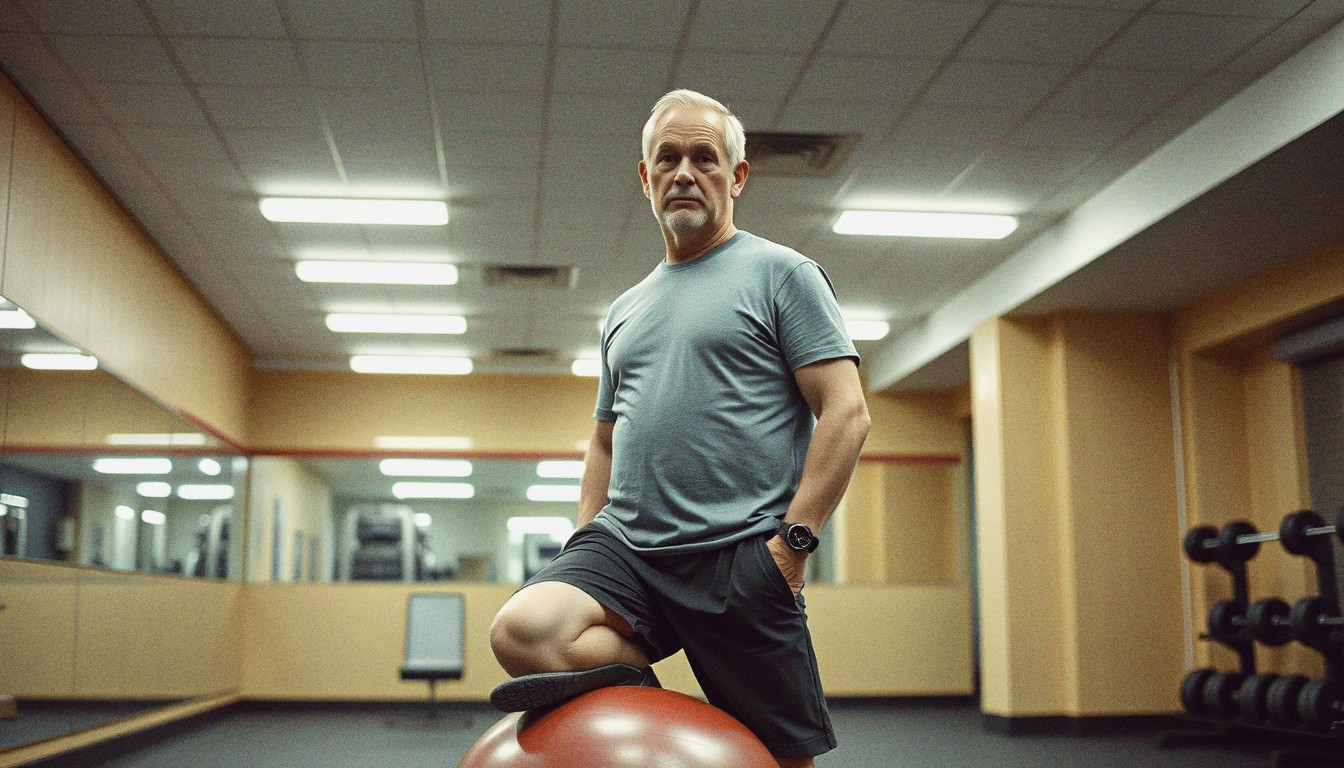
You've seen it. Someone in the free weights area balanced on a BOSU ball, executing what might technically be a squat, while a fully loaded barbell sits untouched behind them. You rack your own weights, try not to stare, and quietly wonder: are they onto something you've been ignoring?
Here's the straight answer. Instability training is a real tool with genuine benefits and clear limits. Understanding both will make you a smarter, more deliberate gym-goer — and might save you from attempting a barbell back squat on a wobble board.
What Instability Training Actually Is
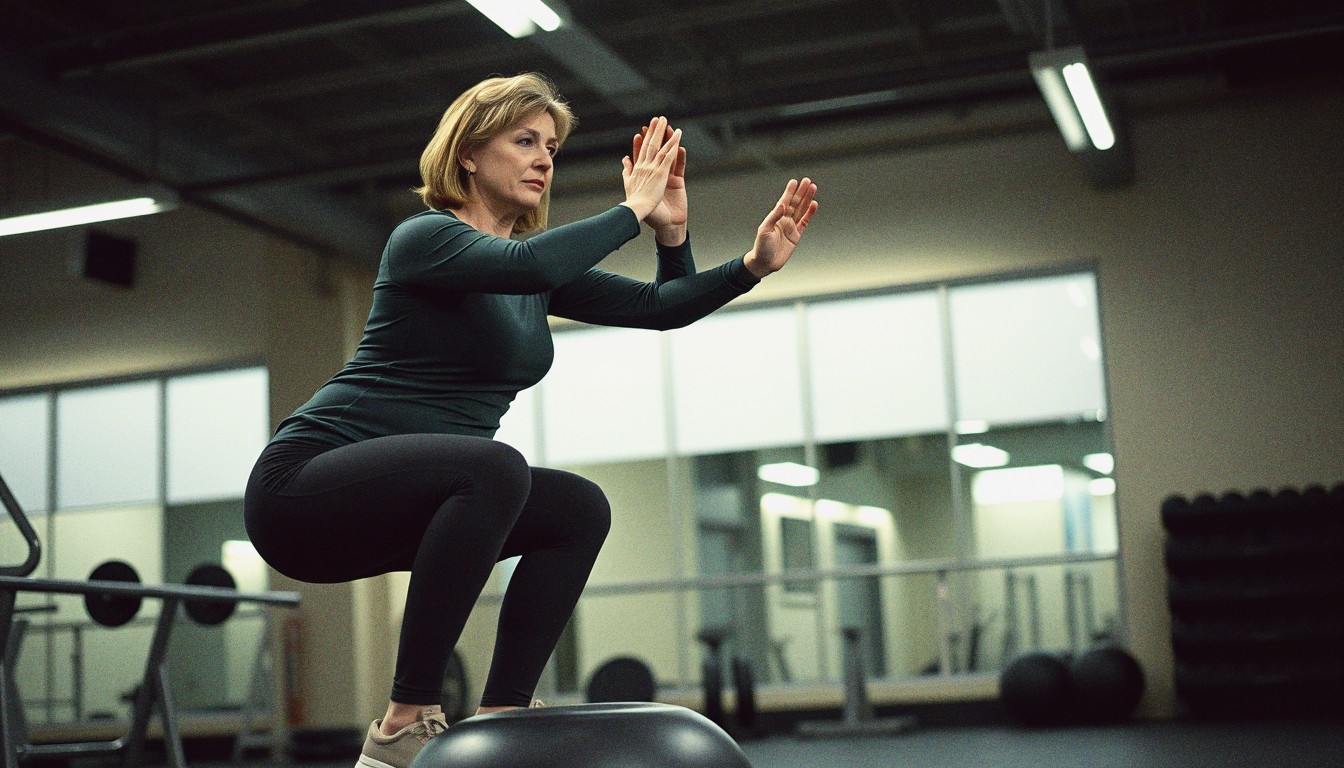
The kit turns up in every gym: BOSU balls (the blue dome fixed to a flat platform), wobble boards, balance discs, Swiss balls. What all of them share is a surface that actively resists you staying upright. The logic sounds compelling — if the ground beneath you keeps shifting, your muscles have to work harder to maintain position, which should produce a bigger training stimulus per rep.
That logic holds up, to a point. The bit that usually gets left out is what makes the whole conversation worth having.
The Genuine Case — And It Is Genuine
Unstable surfaces do something solid ground simply cannot replicate: they force your deep stabiliser muscles to actually engage. These are the slower-twitch muscles tucked around your spine and joints — transverse abdominis, multifidus, hip rotators — that handle the moment-to-moment postural corrections your body makes constantly. During conventional loaded exercises, your prime movers tend to lead. Your quads, glutes, and upper back dominate a squat or a row. The inner core ticks along in the background without ever being truly pushed.
Put yourself on a wobble board and that changes fast. When the surface shifts unpredictably, your stabilisers have to engage hard just to keep you upright, and your nervous system is processing a continuous stream of balance feedback in real time.
This is backed by research, not just marketing for the blue dome. The Canadian Society for Exercise Physiology, 2010 published a position stand examining instability training for core conditioning in athletic populations, identifying it as a genuine and effective method for improving deep stabiliser activation — a legitimate application with solid evidence behind it.
Beyond muscle activation, unstable surfaces also develop proprioception: your body's capacity to sense its own position and make accurate, rapid adjustments. It's the quality that helps you stick a landing, adjust mid-stride on uneven ground, or catch yourself before a stumble. The same CSEP position stand, 2010 highlights neuromuscular control as a key benefit of this type of training — which explains why physiotherapists have been using balance tools in rehabilitation long before they became a fixture on commercial gym floors.
The Catch Nobody Mentions
Here is where the BOSU gets oversold, and where clear thinking matters.
The same instability that boosts stabiliser engagement forces you to use less load. When your feet are on something that wants to throw you sideways, your body's first priority is not falling over. Force production drops. You cannot generate the same mechanical tension on an unstable surface as you can on flat ground — not safely, and often not physically possible.
A goblet squat on a BOSU with 12 kg is an entirely different stimulus to the same movement on solid ground with 20 kg, regardless of how hard your core is working in the first scenario. Mechanical tension — the actual load going through the muscle — is the primary driver of hypertrophy and strength adaptation. Reduce it, and you reduce the signal. The BOSU ball creates a different training effect, not a superior one.
There is also a sensible safety point. Loading heavy onto an unstable surface is not a progression — it is adding risk without a matching reward. No experienced coach programmes max-effort deadlifts on a wobble board.
Where Unstable Surfaces Genuinely Earn Their Place
Once you understand the trade-off, the right contexts become obvious:
- Rehab and injury prevention — balance tools are excellent at rebuilding proprioception and reactivating stabilisers after ankle, knee, or lower back problems; this is precisely why they are a physio-room staple
- Sport-specific balance demands — footballers, skiers, martial artists, and rugby players all face unpredictable balance challenges in competition; targeted instability drills transfer directly to those environments
- Beginners building body awareness — someone new to training can develop real feel for joint position and movement quality on unstable surfaces before progressing to heavier compound work
- Standalone core finishers — when neuromuscular challenge is the stimulus you are after, a Swiss ball circuit or balance-disc single-leg work at the end of a session is a smart, targeted choice
In every one of these contexts, the aim is explicitly neuromuscular — not maximal mechanical loading.
Where It Doesn't Belong
Swapping your barbell squat, deadlift, or press for a BOSU version is not a clever variation — it is a bad trade. Less load, less mechanical tension, a blunted signal for strength and muscle, and no additional benefit to the lift pattern itself. Your compound movements are effective precisely because they allow you to train with serious weight through a full range of motion. Putting them on an unstable surface removes the thing that makes them work.
If strength or muscle is your primary training goal, your main lifts stay on flat, solid ground.
How to Use This in the Gym
A quick three-question check takes about ten seconds and tells you which tool is right for any given session:
1. What is the primary goal today? Strength or hypertrophy → solid ground and proper loading. Core conditioning, balance, or rehab → instability tools are appropriate. 2. What is your training experience? Beginners get real value from body awareness work on unstable surfaces. Intermediate and advanced lifters already have that proprioceptive base — they need mechanical tension. 3. Does your sport or lifestyle demand balance under load? If yes, deliberate instability drills alongside your main training are a worthwhile addition. If not, they are optional.
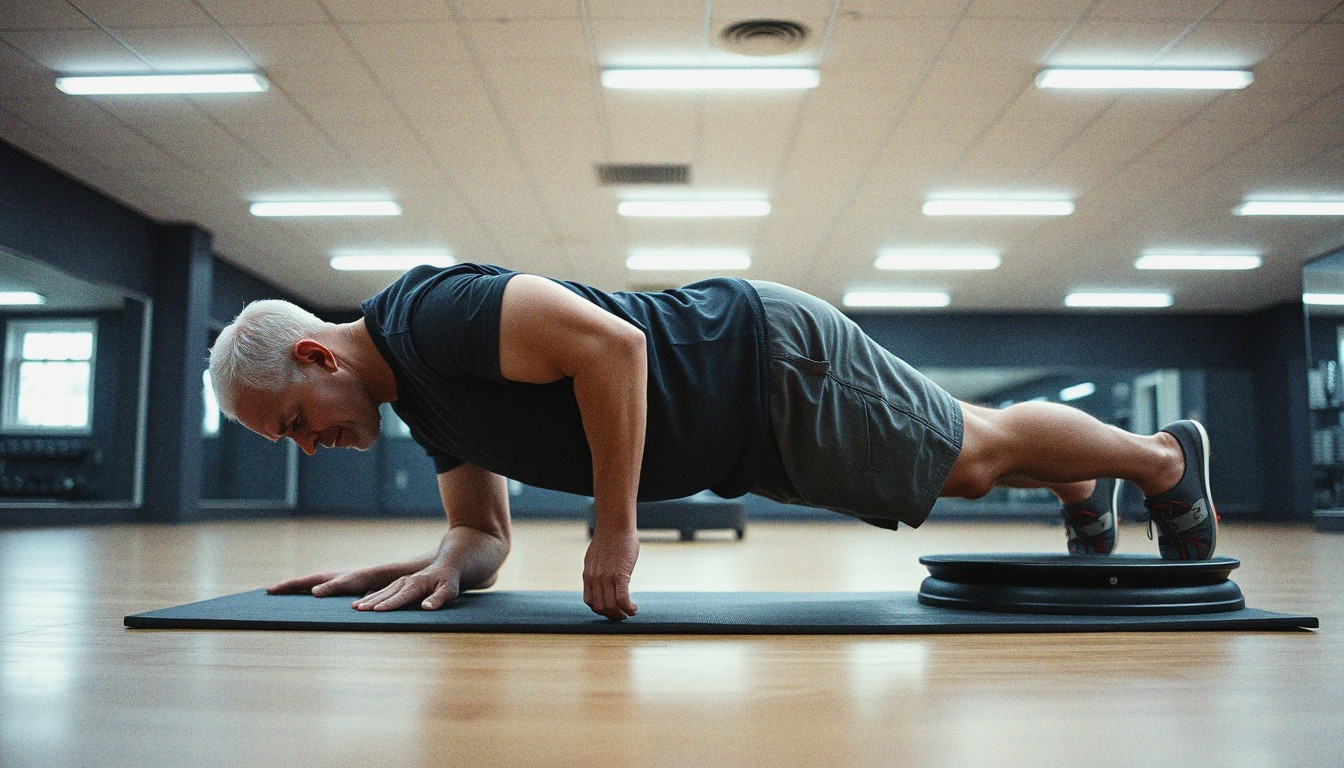
This week's practical move: Keep every main lift — squat, deadlift, press, row — on flat ground with your normal loading. Do not change a thing there. Then add one targeted instability finisher after your session: three sets of single-leg Romanian deadlifts standing on a balance disc, slow and controlled, no weight to start. The balance is the point. Ten minutes, no interference with your loading or recovery. Run that for four weeks and notice what happens to your stability during heavy sets.
The question was never BOSU ball versus barbell. It is knowing exactly which tool serves your actual goal on a given day.
When to Get Professional Advice
If you are returning from an ankle, knee, or lower back injury and want to incorporate balance training safely, see a physiotherapist before adding instability work to your programme. They can assess your current movement quality, identify any deficits, and give you a structured progression that supports rather than aggravates your recovery.
If you experience pain — particularly around the ankle, knee, or lumbar spine — during any instability exercise, stop and get it assessed before continuing.
This article is general information, not medical advice. If you have a health condition or are new to exercise, check in with a qualified professional before making big changes.
If you're training around pain or a current injury, get it assessed by a physiotherapist or GP before pushing on.