
Training
Eating in a Deficit? Here's What You're Actually Losing — and the One Thing That Changes It
10 July 2026

Keep lifting through your cut and your body holds on to its muscle — skip it in favour of extra cardio and you risk losing both fat and the physique underneath it. If your training week has quietly become mostly cardio since you started eating less, here's what's actually happening and how to change it.
The "eat less, do more cardio" playbook is everywhere in gym culture right now. The scale moves, so it feels like it's working. The problem is what's hiding behind that number.
What the scale isn't telling you
Total bodyweight is a single number that lumps fat, muscle, water, and glycogen into the same reading. The split matters far more than the total. Losing 4kg of fat is a completely different outcome from losing 4kg of muscle — but the scale can't tell the difference.
When you eat in a deficit without a deliberate training strategy, your body doesn't automatically prioritise its fat stores. It pulls from wherever energy is easiest to access, and lean tissue — muscle — is often in the mix. The result is weight loss that leaves you lighter but softer: less muscle, a slower metabolism, and a physique that doesn't match the effort you've put in.
Body composition — your ratio of fat to lean mass — is the real metric. Two people losing the same amount of weight can end up looking and performing entirely differently depending on what they actually lost.
The problem with cutting calories alone
This isn't a willpower issue — it's a physiological one. When energy intake drops and there's no signal telling the body to protect its muscle, lean tissue becomes a viable fuel source alongside fat.
Research comparing calorie restriction with and without different training types confirms that diet alone leads to meaningful losses in both fat-free and skeletal muscle mass — and that your training choices shift that balance significantly Meta-analysis, 2025. The deficit is the tool; what you do in the gym determines which tissue pays the price.
Why cardio doesn't finish the job

Cardio is valuable — genuinely. It supports energy expenditure, cardiovascular health, and recovery. But the gym-floor logic of "more cardio equals a better cut" misses something important.
When researchers compared endurance training, resistance training, and mixed approaches during caloric restriction, endurance training improved outcomes over dieting alone — but resistance training consistently came out ahead when it came to preserving fat-free and skeletal muscle mass Meta-analysis, 2025. If the goal is losing fat without gutting the physique underneath, cardio alone won't get you there.
What lifting actually does differently
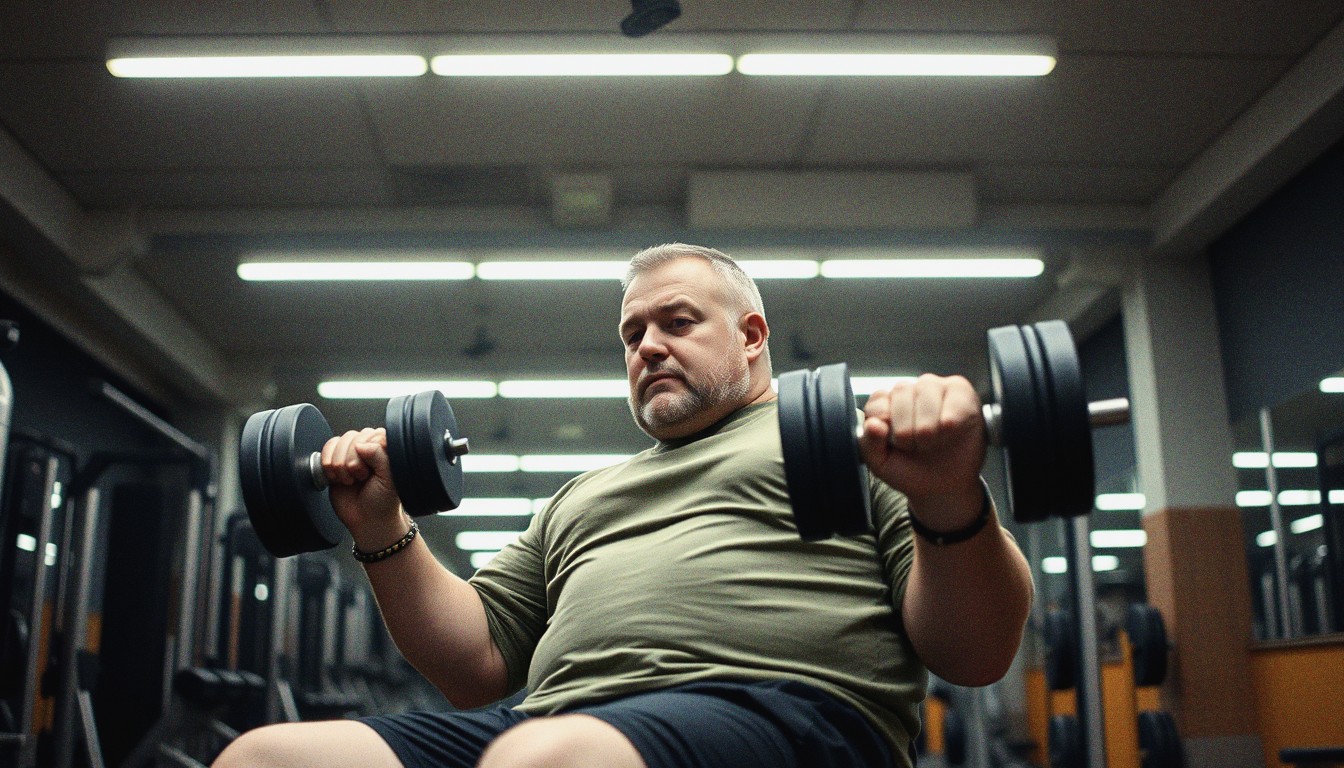
Resistance training sends a specific signal to your body: this muscle is being used, it needs to stay. The mechanical load on muscle fibres makes lean tissue worth protecting when energy is scarce. When you're in a deficit, that signal is the difference between your body preserving muscle or quietly breaking it down.
There's more to this than aesthetics. Skeletal muscle plays a significant role in how your body handles glucose and metabolic substrates Skeletal muscle review, 2025. More muscle means more metabolic activity at rest. Let it drop during a cut and you're not just changing how you look — you're reducing tissue that does real metabolic work every day.
For people already lifting before they started cutting, maintaining that programme is one of the strongest levers for holding on to lean mass during a calorie deficit Lean mass sparing review, 2022.
How to use this in the gym
A deficit is not the time to deprioritise lifting. If anything, it's when lifting matters most. You don't need to train harder — you need to stay consistent. Here's what that looks like in practice:
Centre your sessions around compound movements. Squats, deadlifts, rows, pressing — these recruit the most muscle and send the strongest retention signal. Don't swap them out for machines or isolation work just because you're eating less.
Hold your load as close as you can. You might not be setting personal bests in a deficit, and that's perfectly fine. The aim is to stay near the weights you were lifting before the cut. Dropping load significantly tells your body the muscle is no longer needed.
Lift two to four times a week. Frequency matters more than session length. A consistent 45-minute session three times a week will do more for body composition than sporadic long sessions with big gaps. Resistance training with appropriate progression is one of the most evidence-backed approaches for improving body composition during weight loss RT body composition review, 2022.
Let cardio complement, not replace. It has a legitimate place in your week — just don't let it crowd out the sessions where you're picking things up.
Three things to change this week
You don't need to overhaul your programme. Three changes you can make right now:
1. Audit your session balance. Look at your training week. If it's mostly cardio with weights squeezed in as an afterthought, flip it. Lift first; cardio fills the gaps around it.
2. Track performance, not just scale weight. Are your lifts holding up? Can you hit similar weights to before you started cutting? That's a more meaningful short-term signal of whether you're holding muscle than a daily scale reading.
3. Ask one question at the end of each week: "Did I give my body a reason to hold on to its muscle?" If you lifted with meaningful load, the answer is yes. If the week was all restriction and cardio, you know what needs to shift.
When to get professional advice
If you're eating in a significant deficit, cutting aggressively, or noticing sharp drops in strength or energy, speak with a registered dietitian or nutritionist — especially if you have any underlying health conditions. If you're experiencing joint pain or discomfort during your sessions, get it assessed by a physiotherapist or GP before pushing through. Lifting in a deficit is manageable and effective; training through pain is not.
---
Keep your next lifting session in the diary — even when you're eating less, especially when you're eating less. That session is what tells your body which tissue it keeps.
---
This article is general information, not medical advice. If you have a health condition or are new to exercise, check in with a qualified professional before making big changes.
If you're training around pain or a current injury, get it assessed by a physiotherapist or GP before pushing on.
Nutrition needs are individual. For a plan tailored to you — especially with a medical condition or a history of disordered eating — see a registered dietitian or nutritionist.
Keep reading
- TrainingWhy Your Muscles Start Quietly Shrinking After 35 — and the Training Habit That Reverses It
- TrainingDoes Every Set Need to Feel Like Death? What the Science Actually Says About Training to Failure
- TrainingGoing Deeper: Why the Bottom of Your Rep Does More for Your Gains Than the Weight on the Bar