
Training
Does Every Set Need to Feel Like Death? What the Science Actually Says About Training to Failure
8 July 2026
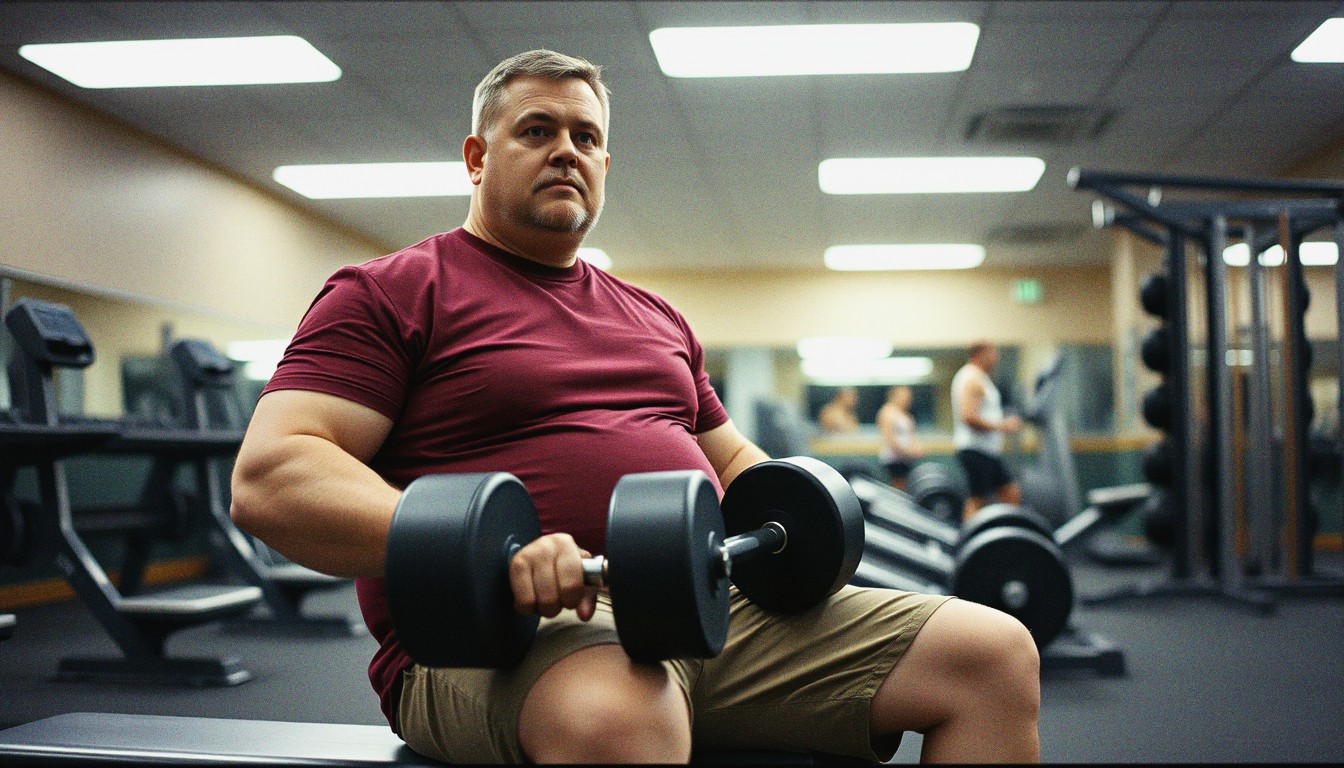
You're three sets into your cable rows. Your grip is starting to loosen, your form is drifting, and the person on the neighbouring bench is getting a front-row seat to something you'd rather not watch back on camera. Here's the thing: you probably don't need to push to that point. Deliberately stopping short of absolute failure might be one of the smartest changes you make to your training programme this week.
The Belief That's Quietly Limiting You
Training to failure has a serious cultural moment right now. Short-form gym content is full of it — the theatrical last rep, weights crashing to the floor, captions about leaving nothing in the tank. There's a pervasive gym floor belief that if you've still got something in reserve at the end of a set, you've left gains behind.
Effort absolutely matters. The problem comes when maximum effort gets conflated with grinding every set until you physically can't move the bar. These aren't the same thing, and treating them as equivalent can hold your progress back more than it accelerates it.
What Non-Failure Training Actually Means

Non-failure training doesn't mean going easy. It means deliberately finishing a set before you reach absolute failure — keeping what coaches call reps in reserve (RIR). In practice, this usually means stopping one to three reps before you'd genuinely hit your true limit, while still working hard and progressively overloading across your sessions.
The immediate benefit shows up in the quality of every rep. Your technique stays intact. You're not asking your joints to handle load through a fatigued, unstable movement pattern. And you carry real energy into the rest of your session rather than arriving at your second compound exercise already running on empty.
Research examining the effects of resistance training performed to repetition non-failure in healthy adults found it to be effective for improving exercise performance Non-failure resistance training, 2025. The point isn't that effort doesn't matter — it does — it's that grinding every set to absolute failure isn't a prerequisite for building strength and muscle.
The Energy Argument You Might Not Have Considered
Your muscles draw on a tiered energy system during resistance training. High-intensity efforts rely heavily on fast-replenishing energy stores that nonetheless need time to recover between sets. Research on muscle energetics during intense explosive work highlights how significant these demands are during each hard bout of effort Muscle energetics, 2014. When you push every set to absolute failure, you're depleting those resources more completely each time — meaning each successive set starts from a lower baseline. If you're doing five or six working sets of a compound movement, the quality of the later sets matters. Arriving at them exhausted compromises exactly what you're trying to build.
Why Those Last Desperate Reps Might Not Be Worth It
The reps that happen when your form has already broken down carry a different risk profile to those in the clean, controlled portion of a set. Fatigue shifts how load is distributed across your joints and stabilising muscles. The movements that deliver the most progress — squats, deadlifts, overhead pressing, heavy rows — are also the ones that handle technique breakdown the least well.
There's a recovery argument too. Sessions that routinely push every set to failure are genuinely more demanding on your body's ability to bounce back. If you're training three to five times a week, cumulative fatigue stacks up fast, and your next session starts from a depleted baseline. Progress doesn't happen only in the gym — it happens during the recovery between sessions. Consistently undermining that recovery slows you down.
This doesn't mean you should never push hard. Testing your limits occasionally — particularly on isolation machine exercises or towards the end of a training block — has its place. But making every set a survival event is a different approach entirely.
How to Use This in the Gym

You don't need to redesign your programme from scratch. A few deliberate adjustments during your existing sessions is all it takes.
Use the RPE scale
Rate of Perceived Exertion (RPE) runs from 1 to 10. Aim to finish most working sets at around RPE 7–8: genuinely challenging, but with one or two clean reps still available. This keeps effort high while keeping quality intact.
Prioritise technique over grinding one more rep
As soon as your form starts to break down — a lower back rounding on a row, a forward lean on a press — that's your signal to end the set. A set of nine clean reps beats a set of twelve where the last three were a mechanical mess. Log it honestly.
Save harder efforts for the right exercises
If you do want to push closer to failure occasionally, machine and cable exercises are generally a lower-risk option than free-weight compounds. A cable fly or leg extension taken near to failure is a very different proposition to a barbell back squat at the same point.
Keep a training log
Non-failure training only delivers results if you're still progressively overloading over time. Without tracking, it's easy to cruise at the same effort level for months. When you're comfortably hitting the top of your rep range for two consecutive sessions, add a small amount of weight or an extra set.
Structure recovery into your week
Spread your sessions so you're not consistently training the same muscle groups on back-to-back days. Adequate recovery between sessions for the same muscles means you can show up and train at higher quality across the full week.
Small Wins You Can Bank This Week
You don't need to wait for a new training block. Three things you can do in your very next session:
- Pick one compound movement — a bench press, squat, or row — and deliberately stop each set with one clean rep still available. Notice how your form and energy hold up across the full set.
- Rate your sets on RPE as you go. Jot it next to your weight and reps in a notes app. It takes seconds and builds real self-awareness about your effort levels.
- Film one set or check your form in the mirror between sets. You'll often catch form breakdown a rep or two before you feel it.
These are small shifts. Done consistently across a training block, they add up to more productive sessions and steadier progress.
When to Get Professional Advice
If you're currently training around a joint issue, persistent discomfort, or a previous injury, adjusting your effort level alone isn't the full picture. A physiotherapist can assess the specific movement and help you understand whether anything in your current programme is aggravating the problem. If you're new to resistance training or returning after a significant break, working with a qualified personal trainer initially can help you find the right starting point for load and intensity — and build the technique foundation that makes non-failure training actually pay off.
---
This article is general information, not medical advice. If you have a health condition or are new to exercise, check in with a qualified professional before making big changes.
If you're training around pain or a current injury, get it assessed by a physiotherapist or GP before pushing on.