Training
Why Your Muscles Start Quietly Shrinking After 35 — and the Training Habit That Reverses It
9 July 2026
That weight used to feel lighter
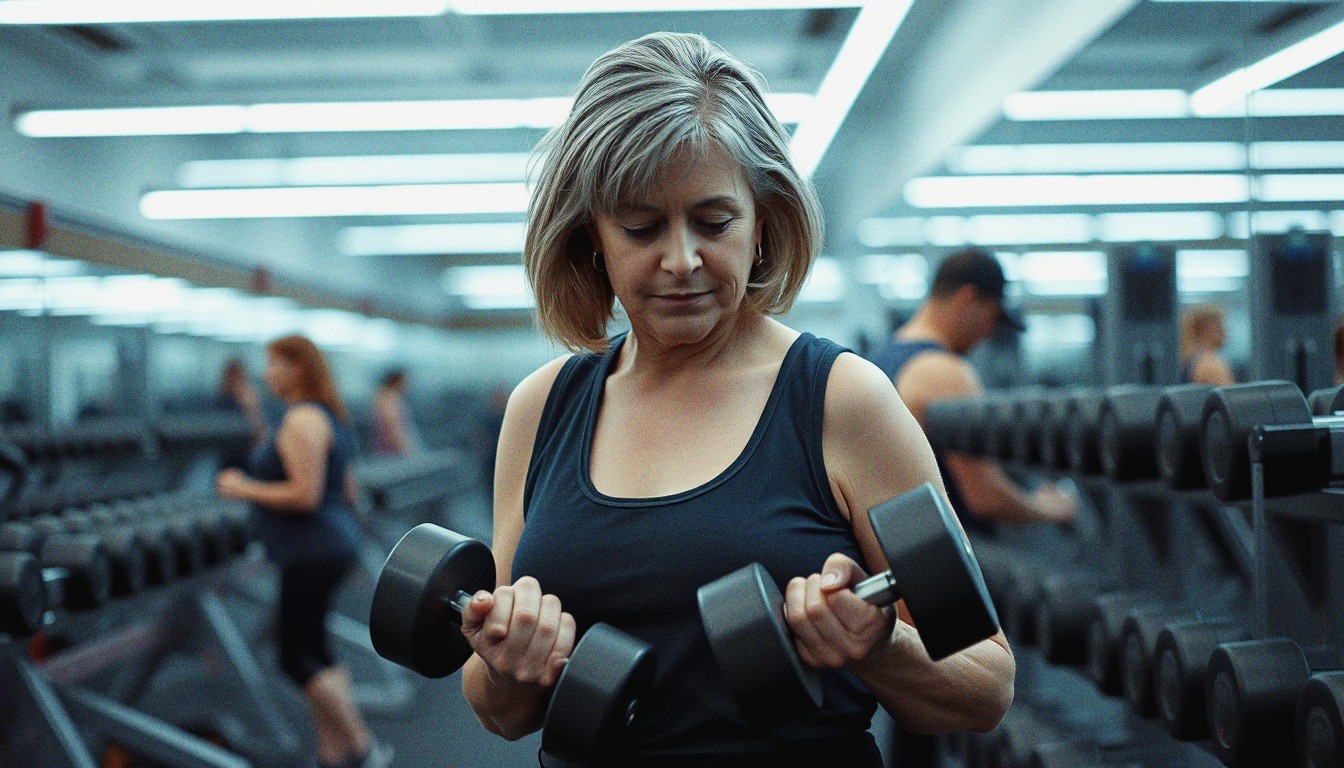
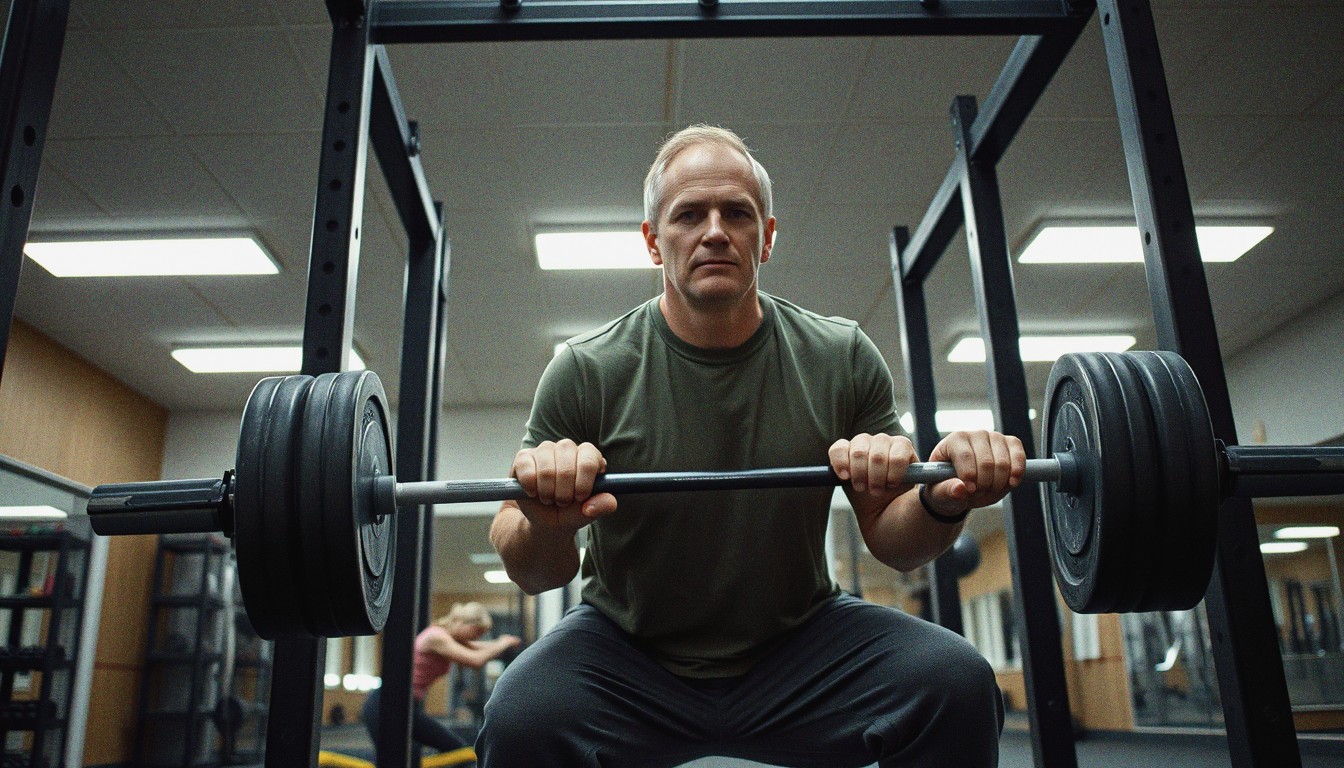
You load the bar to what used to be a comfortable working weight — nothing extreme, the same number you were hitting without much drama a few years back — and the set is clearly harder than it should be. This is a process with a name, it started earlier than most gym-goers expect, and consistent resistance training is the most direct tool for pushing back against it.
What's quietly happening under the surface
Sarcopenia is the gradual, progressive loss of muscle mass and strength that comes with age. It's not a disease diagnosis — it's a biological process, the same way eyesight shifts or joints stiffen over time. Muscle fibres, particularly the fast-twitch type responsible for power and speed, start declining. The body becomes less efficient at building new muscle protein even when your diet is solid. Without a regular training stimulus, the tissue quietly steps back.
The word sounds alarming. The reality is more manageable than most people realise.
The timeline most gym-goers get wrong
Most people assume sarcopenia is something to think about in their sixties. The evidence suggests the process begins closer to your mid-thirties, and without consistent resistance work, the losses compound silently year on year Sarcopenia Review, 2022. By the time you notice sessions feeling harder, you may have been losing ground for longer than you'd expect.
The important flip side: resistance training is one of the most effective tools for slowing and partially reversing this process. Cardio has real value, but it doesn't send the same mechanical signal that tells your muscles to hold their ground. That's the territory of lifting.
More than muscle — why your balance is the canary in the coalmine
Losing muscle affects more than how much you can lift. It quietly erodes balance and functional mobility — things like confidence on uneven ground, stability on stairs, ease of getting up from the floor. These shifts can appear well before the aesthetic changes most people expect.
The encouraging thing is that resistance training addresses both at once. A systematic review of exercise interventions in adults with sarcopenia found meaningful improvements in balance-related functional mobility alongside gains in strength Gu et al., 2025. Strength and movement quality aren't separate targets to chase separately — they're the same target.
The inflammation angle nobody talks about in the changing room
Nobody standing at the squat rack thinks about inflammatory markers. But there's a background bonus from consistent training that has nothing to do with the mirror: regular exercise appears to reduce markers of chronic low-grade inflammation in middle-aged adults.
A network meta-analysis examining exercise and inflammatory markers in middle-aged and older adults found that resistance training, alongside other exercise modalities, was associated with reductions in these markers Cheng et al., 2025. The session you're putting in is doing more than building muscle.
One surprising training quirk worth knowing
If you're training around an injury — or you've noticed a significant strength difference between your left and right sides — this is worth knowing: training one limb can produce strength gains in the other, even in the limb you're not directly working.
This is called the cross-education effect. A review of unilateral resistance training in clinical populations found that training one side of the body can meaningfully improve force production in the untrained opposite side Cross-Education Review, 2025. The mechanism isn't fully settled, though motor unit adaptations are thought to play a key role Cross-education Motor Units, 2025. If an arm or leg is out of action, training the other side still produces a genuine benefit.
How to use this in the gym
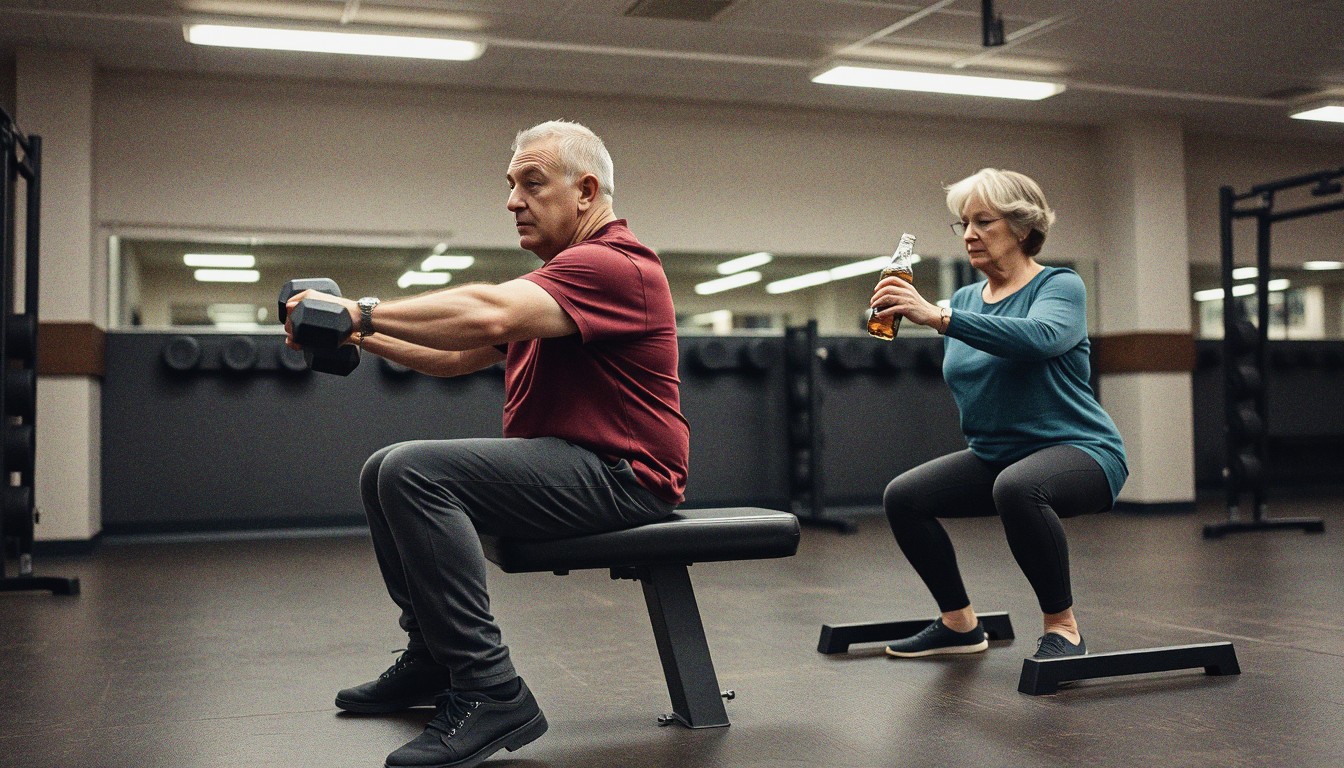
The training pattern that counters sarcopenia isn't extreme or complicated. It's consistent, compound-based, and progressively challenging — which is broadly what good resistance training looks like anyway.
Anchor your sessions to compound lifts. Squats, deadlifts, rows, and presses recruit large amounts of muscle across multiple joints. They give your body the broadest signal to maintain and build tissue. Isolation work has its place, but compound movements are the engine.
Two to three sessions per week is a sound starting point. Consistency across months matters far more than any individual brutal session. A reliable programme you actually follow beats a perfect one you skip Sarcopenia Review, 2022.
Keep progressive challenge on the table. If the weight, reps, or difficulty never changes, your body has no reason to adapt. You don't need to add load every week — but something should shift over time.
Don't avoid the movements that feel awkward. If one side is noticeably weaker, or a particular lift has quietly dropped off your rotation, that's worth addressing rather than working around indefinitely.
Three things to do this week
Concrete actions you can bank before the weekend:
- Add one compound lift you've been avoiding to your next session. Squat, deadlift, press, or row — whichever one you tend to skip. One working set. Note how it feels.
- Schedule two sessions in your calendar now. Don't leave it to motivation. Decide in advance.
- Write down your current working weights for your main lifts. A note on your phone takes 30 seconds and gives you a baseline to measure progress against next month.
Pick one compound lift you've been quietly avoiding and put it in your next session. That is where the habit that matters most begins.
When to get professional advice
If you've had a significant break from training, are returning after illness or injury, or have a health condition affecting your joints, heart, or mobility, speak to your GP or a physiotherapist before getting back into heavy compound work. A few sessions with a qualified personal trainer can also help you address movement patterns that have drifted during a training gap — especially for compound lifts where technique matters.
---
This article is general information, not medical advice. If you have a health condition or are new to exercise, check in with a qualified professional before making big changes.
If you're training around pain or a current injury, get it assessed by a physiotherapist or GP before pushing on.
Keep reading
- TrainingDoes Every Set Need to Feel Like Death? What the Science Actually Says About Training to Failure
- TrainingGoing Deeper: Why the Bottom of Your Rep Does More for Your Gains Than the Weight on the Bar
- TrainingYou're Going Too Fast on the Way Down: Why Slowing Your Lowering Phase Changes Everything