
Recovery
Sweaty Sheets, Stalled Gains: How UK Summer Nights Tank Your Gym Recovery
16 June 2026

That heavy feeling in your legs the morning after a good session? In summer, it might have less to do with how hard you trained and more to do with how hot your bedroom got overnight. Sort your sleep environment and you'll start recovering between sessions the way you're actually supposed to.
UK summers don't stay kind for long — but the warm nights they bring can quietly undermine weeks of solid training. Here's what's actually going on, and what to do about it.
Why hot nights mess with your recovery

Eight hours of sleep in a warm room is not the same as eight hours of genuinely restorative sleep. Your body is doing serious work while you rest — repairing muscle tissue, regulating energy, and consolidating everything you put into your training. For that to happen properly, your core temperature needs to fall. When your bedroom stays warm through the night, that cooling process gets disrupted and your sleep quality suffers — even if you don't fully wake up.
This matters more than most people realise. The right resistance training programme can drive real improvements in strength, power, and overall performance Strength Training Study, 2025 — but those gains only materialise during recovery, not during the session itself. At a cellular level, muscle growth is governed by complex molecular regulatory systems Muscle Hypertrophy Research, 2025 that need quality rest to function well. Hot, fragmented sleep doesn't give that process the conditions it needs.
The frustrating part is that you can feel like you're sleeping fine — clocking your hours — while your recovery is still suffering. It's not about the quantity. It's about the quality.
3 UK-friendly fixes that won't cost much
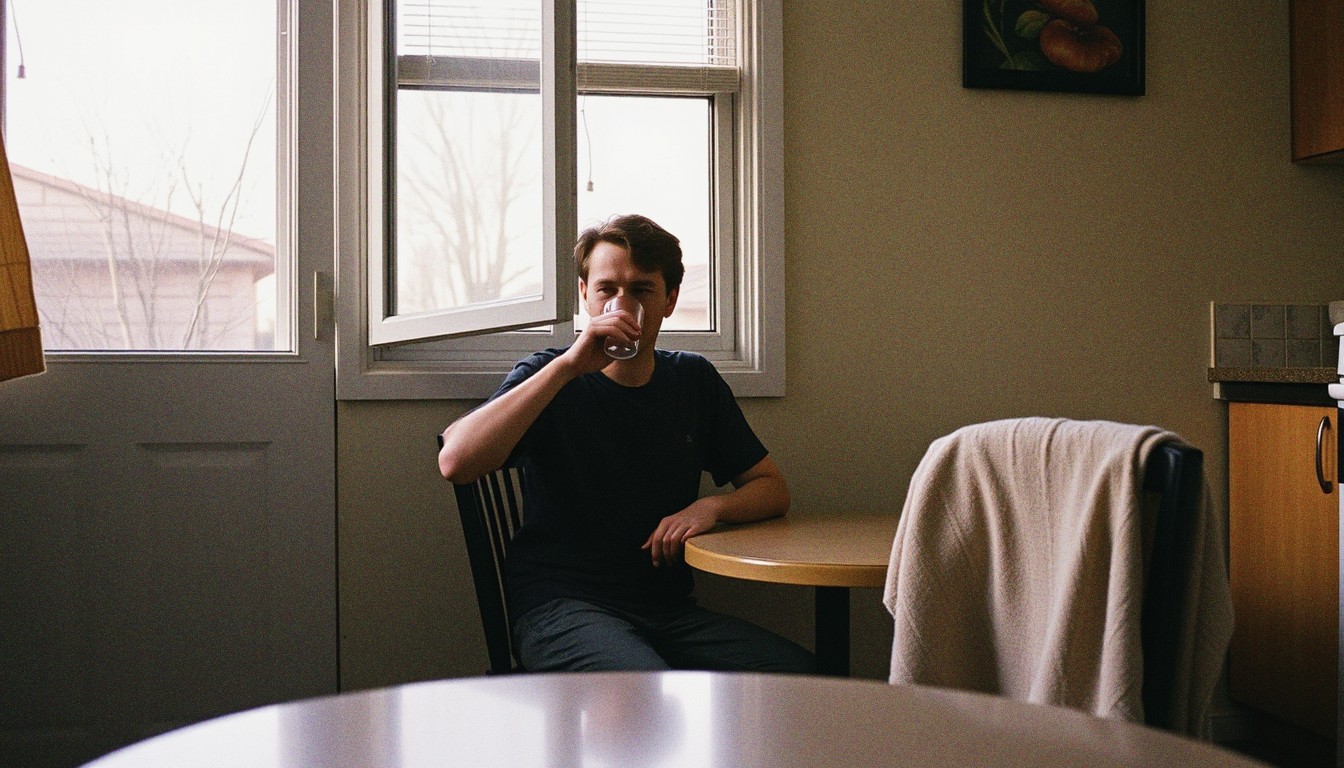
You don't need a £1,000 cooling mattress or air conditioning to make a difference. Here's what actually works in a normal UK home:
Cross-ventilate in the evening, not during the day
Open windows on opposite sides of your home once the outside air starts cooling — typically from early evening onwards in summer. Then close them before bed and draw your curtains or blinds. This traps the cooler air inside and keeps the room from warming back up through the night. Most people do it the wrong way round: leaving windows open during the hot afternoon and shutting up at night.
Switch your bedding
If you're sleeping under a standard polyester duvet in July, you're fighting a losing battle. A lightweight cotton duvet, a cotton flat sheet, or bamboo-fibre bedding will help you sleep cooler without any other changes. Bamboo is particularly effective at wicking moisture away from the body — useful on the kind of humid nights that July and August tend to bring.
A cool shower before bed
A lukewarm-to-cool shower about 30 minutes before you plan to sleep helps lower your core temperature and signals to your body that it's time to wind down. It doesn't need to be uncomfortable — just avoid a hot shower before bed, which has the opposite effect.
Training timing and your sleep
If you train at 6, 7, or 8pm, pay attention here. Intense sessions raise your core temperature and put your nervous system in a heightened state — both of which take time to settle back down. That's not a problem unique to summer, but warmer nights mean there's less margin for error.
You don't need to switch to 5am sessions. What helps is leaving a gap of at least 60–90 minutes between finishing your session and actually trying to sleep. Use that time to wind down deliberately — not to scroll through your phone or stay on your feet.
On rest days, avoid staying up later because you feel like you haven't earned the sleep. Your muscles are still adapting from previous sessions, and the sleep quality on rest days matters just as much as the night after you trained.
Your pre-sleep wind-down: more powerful than you think
Cutting caffeine in the evening is the obvious one. But a proper wind-down goes further than that:
- Screens and phones: It's not just the blue light — it's the stimulation from the content itself. Scrolling keeps your brain alert well past when you'd naturally drift off. Even 20 minutes without your phone before bed makes a difference to how quickly you fall asleep.
- Eating late: A large meal close to bedtime raises your core temperature as digestion kicks in. Try to finish your last significant meal at least 90 minutes before you turn in.
- A short stretch or mobility routine: Ten to twenty minutes of gentle stretching is one of the most underrated sleep tools for gym-goers. It brings your heart rate down, loosens anything tightened by training, and acts as a physical cue that the day is done. No kit required — just the floor.
How to use this in the gym
These changes show up in your training, not just in how you feel when you wake up:
- Track your readiness for a week: Note how you feel before each session and how the previous night's sleep went. You'll likely spot a pattern within days — better nights tend to produce noticeably sharper sessions.
- Treat recovery as a training variable: Sleep, hydration, and eating well aren't soft extras bolted onto your programme. They're where the work you did in the gym actually becomes results.
- Protect your training timing: If you've committed to evening sessions, build in the wind-down buffer so you're not cutting into sleep quality just to get home a few minutes earlier.
- Keep cold water by the bed: Waking briefly in the night feeling warm is normal in summer. Cold water within reach means you can settle back quickly without fully rousing yourself.
- Start with one fix: Don't overhaul your entire routine at once. Pick the bedding swap or the pre-bed shower and give it a few nights before adding anything else. Small, consistent changes compound faster than you think.
Small wins to try this week
- Tonight: A cool (not cold) shower about 30 minutes before bed.
- This week: Swap your polyester duvet for a cotton sheet or a lighter option.
- Next session: Leave 75–90 minutes between finishing training and actually trying to sleep.
- Every evening: Phone face-down at least 20 minutes before you plan to sleep.
- Before the weekend: Try cross-ventilating the room in the evening while the air is cooler, then close up before bed.
None of this needs tech, subscriptions, or a big spend. Your next few months of training don't just depend on what you do in the gym. Try one fix this week — your gains (and your patience) will thank you.
This article is general information, not medical advice. If you have a health condition or are new to exercise, check in with a qualified professional before making big changes.