Nutrition
The 30-Minute Window: Is Eating Right After Your Workout Actually That Important?
20 June 2026
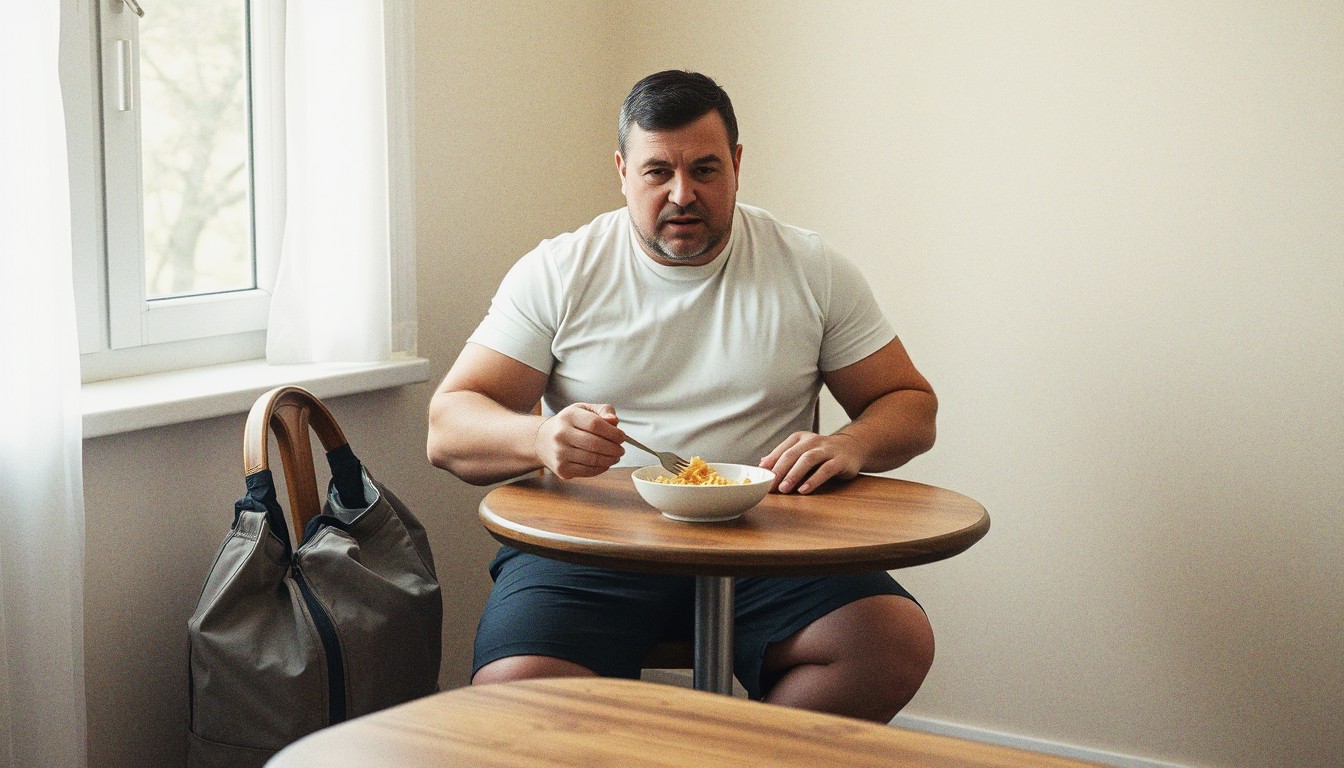
You know the type. The second the last set is done, they're already unzipping the bag. Shaker lid popped, powder scooped, water sloshed in — all before the rest of the floor has caught their breath. The 30-minute anabolic window is closing. The gains won't wait.
If that ritual feels familiar — whether it's yours or you've watched it play out near the squat rack every Monday — here's what the evidence actually says: the countdown is probably not the thing holding back your progress. Total daily protein intake almost certainly is. Once you understand why, training nutrition gets a lot less stressful.
How the 30-minute rule became gospel
Early exercise science did find that muscles enter a state of heightened responsiveness after training — a period when cells are particularly primed to use incoming nutrients. That was a real and genuinely interesting finding. But somewhere between the research paper and the gym floor, the nuance got flattened, and a biological window that spans several hours became a 30-minute countdown.
Supplement marketing helped compress it further. A narrow post-workout window is excellent for selling a product: it creates urgency, gives the buyer a simple action, and makes skipping the shake feel expensive. By the time the idea had cycled through fitness forums, YouTube pre-rolls, and influencer recommendation codes, it carried the weight of established fact.
The 30-minute rule isn't entirely fiction — but as a guide for real-world training nutrition, it's far too blunt a tool.
What the evidence actually says
The picture from research is more forgiving than gym lore suggests. The ISSN, 2017 reviewed the accumulated evidence on nutrient timing and concluded that total daily protein and carbohydrate intake is the primary driver of training adaptation. Timing has a supporting role, but it operates downstream of whether your overall totals are actually adequate.
In practical terms: if your protein intake across the day is too low, drinking a shake at the 28-minute mark won't rescue your results. And if your daily totals are consistently solid, missing a narrow post-workout window by an hour or so is unlikely to register in your long-term progress.
The anabolic window is real — but it's measured in hours, not minutes. For most people who've eaten something in the hours before training, muscles remain responsive to incoming nutrition well beyond any 30-minute threshold. The urgency that gym culture built around it doesn't hold up.
The genuine exceptions — when timing does matter
That said, there are two scenarios where getting nutrition in quickly after training carries genuine weight.
Fasted training. If you train first thing in the morning without eating beforehand, you've been without food for eight or more hours by the time you finish. There's no pre-session nutrition bridging the gap. Here, eating promptly after your session does meaningful work — supplying the protein and carbohydrates your body has been without since the previous evening.
Back-to-back sessions. If you're training twice in a single day, or returning to the gym within a few hours of a first session, the gap between them becomes a fuelling window you can't afford to ignore. The closer the sessions, the less time you have to replenish fuel stores and deliver amino acids before the next bout. This pattern is especially well-documented in endurance sport, where twice-daily training is common and rapid inter-session recovery nutrition is a cornerstone of the evidence base Vitale & Getzin, 2019 — but the same logic applies in any gym context where sessions are stacked close together.
For everyone else — training once a day, with something eaten in the hours beforehand — the sprint to the changing room is genuinely optional.
A smarter way to think about your post-training meal

The most useful shift here is from precision to routine. Rather than watching a clock, aim to have a proper meal within one to two hours of finishing your session. That comfortably covers the window without the anxiety, and it means you can eat real food rather than gulping a shake in the car park.
A sustainable post-training approach tends to look like:
- Knowing roughly what you're eating after each session — not for precision, but because winging it often means grabbing whatever's nearest, which is rarely the best fuel
- Spreading protein consistently across meals throughout the day, rather than trying to spike it all in one post-workout hit
- Not skipping food before morning sessions if eating beforehand helps you perform — or equally, not forcing yourself if your stomach revolts at 6am
The routine you actually repeat across weeks matters far more than the technically optimal version you abandon by Thursday.
How to use this in the gym
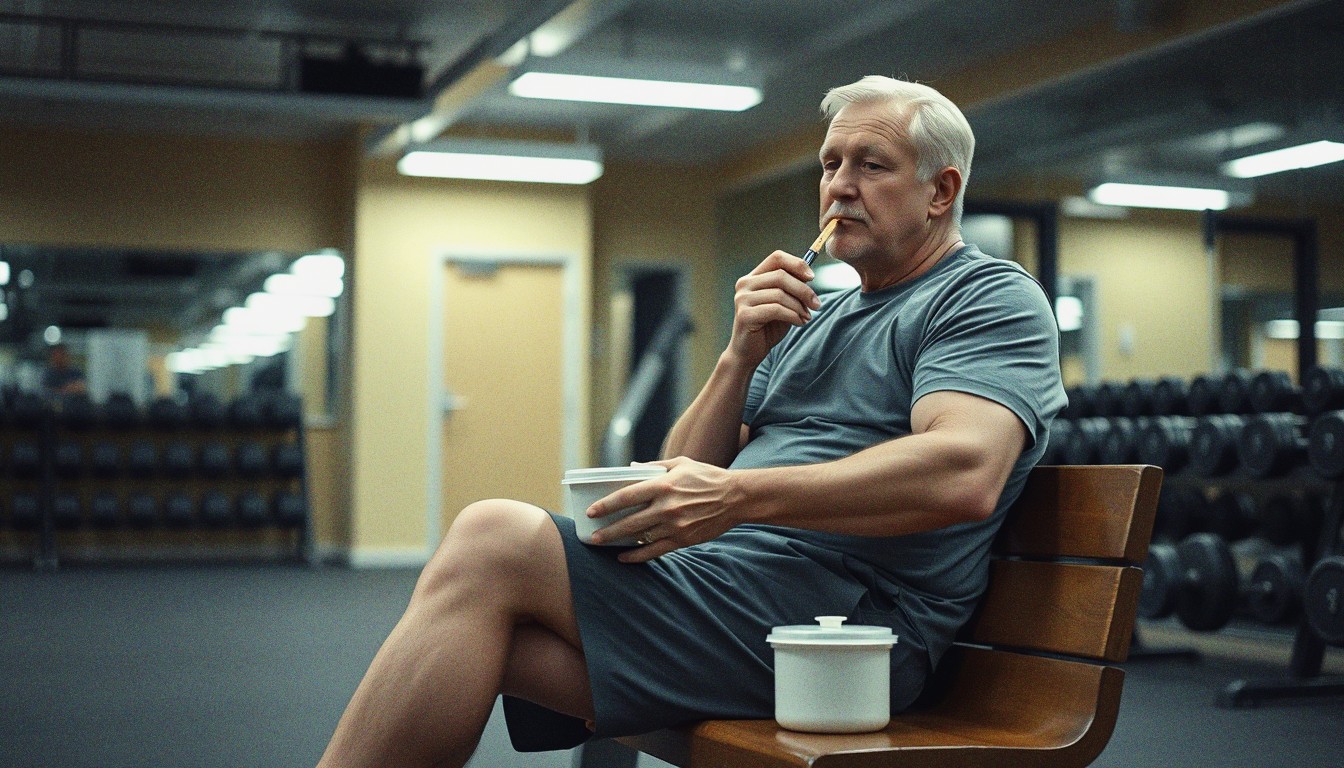
Put this into practice this week:
- Log your total daily protein for three days before changing anything about timing. For most intermediate gym-goers, overall intake — not the window — is the actual gap worth closing
- Ditch the 30-minute countdown: aim for a proper meal or snack within one to two hours of finishing, and let that be sufficient
- If you train fasted, treat post-workout nutrition as non-negotiable — this is the specific scenario where speed earns its keep
- If you're doing back-to-back sessions, plan the gap between them as a deliberate fuelling window and make sure it includes both carbohydrates and protein
- Don't use a post-workout shake as a substitute for consistent daily nutrition — it's a useful tool, not a rescue plan for a light overall diet
One thing to do this week
Before adjusting anything about timing: log your protein intake across three normal training days. Use a free app, your notes app, whatever you'll actually do. Most gym-goers who stress about the 30-minute window are already under on their daily total, and that's the bottleneck worth addressing first. Sort the total, and the timing question looks very different.
When to get professional advice
If you're preparing for a specific sport or competition, managing a health condition, or finding that sensible nutrition changes aren't moving the needle, a registered dietitian or sports nutritionist can give you targets based on your body, training schedule, and goals. The principles here are a solid starting point — individual context always matters more than any general rule of thumb.
---
This article is general information, not medical advice. If you have a health condition or are new to exercise, check in with a qualified professional before making big changes.
Nutrition needs are individual. For a plan tailored to you — especially with a medical condition or a history of disordered eating — see a registered dietitian or nutritionist.